Architectural coatings are coatings used for the covering of building surfaces, including surfaces such as walls, ceilings, floors, doors, windows, and roofs. They can be used for purposes such as decoration, protection, waterproofing, anti-corrosion and reducing wear and tear. The performance of architectural coatings that needs to be tested mainly includes color and hiding power, adhesion, durability and weather resistance, chemical stability, fire resistance and environmental protection. These tests can ensure that the quality and performance of the coatings meet the standard requirements to ensure the safety, reliability and environmental protection of the coatings.
The following is a list of the instruments and equipment required for the performance testing laboratory of architectural coatings:
basic equipment
lab table
Basic laboratory equipment such as test tubes, beakers, and burettes
Electronic Balance
Physical property testing equipment
Viscometer: Measures viscosity and flow properties of coatings
Density Meter: Measures the density of paint
Sieve Meter: Test particle size distribution in coatings
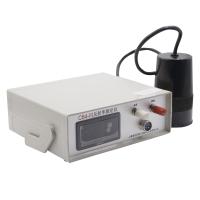
Suspended solid content Detector: detect the solid particle content in the coating
Wet Film Thickness Gauge: measure the thickness of the film formed by the paint on the surface
Dry Film Thickness Gauge: measure the thickness of the dried paint film
Abrasion Tester: test the wear resistance of the coating
Impact Tester: test the impact resistance of coatings
Gloss Meter: Measures the Gloss of a Coating
Adhesion Tester: Test the Adhesion of Coatings
Fire performance Tester: test the fire performance of coatings
Thermal Stability Tester: Test the thermal stability of coatings
Penetration resistance Tester: test the penetration resistance of coatings
Chemical performance testing equipment
pH meter: measure the pH of paint
UV-Vis Spectrophotometer: Analysis of Organic and Inorganic Composition in Coatings
Aging Performance Test Equipment
Light aging Test Chamber: Simulate the aging of ultraviolet light, visible light and thermal radiation
Artificial climate aging Test Chamber: simulate the aging situation in natural environment
Salt spray Test Chamber: Simulate corrosion in salt spray environment
Auxiliary Equipment and Items
Safety Cabinets: Store Hazardous Materials and Waste
Constant temperature Water Bath: process paint samples at a constant temperature
Nitrogen Blower: Concentrates paint samples for further analysis
Miniature pH Electrodes: Precise Measurement of Small Bodies
Look at the table below
| serial number | device name | Functional description | Classification |
|---|---|---|---|
| 1 | lab table | Workbench for placing equipment and performing experimental operations | basic equipment |
| 2 | Basic laboratory equipment such as test tubes, beakers, and burettes | Basic laboratory equipment required for paint sample handling and experimental manipulations | basic equipment |
| 3 | Electronic Balance | Accurately measure sample weight | basic equipment |
| 4 | Sieve | Particle Size Distribution in Testing Coatings | Physical property testing equipment |
| 5 | Suspended solid content Detector | Detection of solid particle content in paint | Physical property testing equipment |
| 6 | Wet Film Thickness Meter | Measuring the thickness of the film formed by paint on the surface | Physical property testing equipment |
| 7 | Dry Film Thickness Meter | Measuring the thickness of dried paint films | Physical property testing equipment |
| 8 | Abrasion Tester | Test the abrasion resistance of the coating | Physical property testing equipment |
| 9 | Impact Tester | Testing the impact resistance of coatings | Physical property testing equipment |
| 10 | Gloss meter | Measuring the Gloss of Coatings | Physical property testing equipment |
| 11 | Adhesion Tester | Test the adhesion of the coating | Physical property testing equipment |
| 12 | Fire performance Tester | Testing the fire performance of coatings | Physical property testing equipment |
| 13 | Thermal Stability Tester | Testing the Thermal Stability of Coatings | Physical property testing equipment |
| 14 | Permeability Tester | Test the penetration resistance of coatings | Physical property testing equipment |
| 15 | pH meter | Measuring the pH of Paint | Chemical performance testing equipment |
| 16 | UV-visible Spectrophotometer | Analysis of organic and inorganic components in coatings | Chemical performance testing equipment |
| 17 | Light aging Test Chamber | Simulate aging from UV, visible light and thermal radiation | Aging Performance Test Equipment |
| 18 | Artificial climate aging Test Chamber | Simulates aging conditions in natural environments | Aging Performance Test Equipment |
| 19 | Salt spray Test Chamber | Corrosion simulation in salt spray environment | Aging Performance Test Equipment |
| 20 | safety cabinet | Storage of Hazardous Goods and Waste | Auxiliary Equipment and Items |
| twenty one | Constant temperature Water Bath | Process paint samples at a constant temperature | Auxiliary Equipment and Items |
| twenty two | Nitrogen blower | Concentrate paint samples for further analysis | Auxiliary Equipment and Items |
| twenty three | miniature pH electrode | Accurately measure the pH of small volumes of liquids | Auxiliary Equipment and Items |
| twenty four | Aging Sample Preparation Equipment | Used to prepare paint samples for aging | Auxiliary Equipment and Items |
| 25 | Sample Cutting Tool | For cutting coated samples for testing | Auxiliary Equipment and Items |
| 26 | timer | Used to accurately measure the time of the experimental process | Auxiliary Equipment and Items |
| 27 | Solvents, diluents, standard samples, etc. | For sample processing and calibrating instruments etc. | Auxiliary Equipment and Items |
The equipment and items listed in the above table may not be required by all architectural coating performance testing laboratories, and the specific equipment requirements should be evaluated and determined according to the specific conditions of the laboratory. At the same time, according to the specific requirements of the experiment, the laboratory may need other equipment and items, such as safety glasses, gloves, masks and other personal protective equipment.