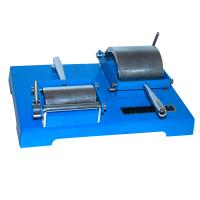
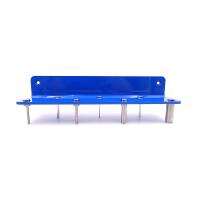
The purpose of testing the flexibility of architectural coatings is to evaluate their deformation ability and durability under different temperature and climate conditions, so as to determine whether the coating is suitable for specific buildings and application scenarios. If the coating is not flexible enough, it will crack, flake, etc. under temperature changes or physical shocks, resulting in damage to the coating and loss of aesthetics and protection of the building. Therefore, testing the flexibility of architectural coatings can help to select the appropriate type and brand of coatings to ensure the construction quality and service life of buildings.
Detection method steps
The flexibility testing of architectural coatings is to evaluate the deformation ability and durability of coatings under conditions such as temperature changes and physical impacts. The following are the testing methods and steps for the flexibility of architectural coatings:
Sample preparation: evenly coat the coating on the sample plate to ensure uniform thickness of the coating, and cut into suitable size samples after drying.
Suspension treatment : hang the sample on the equipment, and apply different degrees of stretching and twisting deformation by free suspension, repeated bending, gravity mounting, etc.
Deformation test : Deformation test is carried out on the sample by tensile and torsional deformation testing equipment, and parameters such as the deformation amount and deformation time of the sample are recorded.
Cold and hot cycle test : Put the sample into the cold and hot cycle box, repeat the cold and hot cycle test under different temperature conditions, and record whether there is cracking or peeling on the surface of the sample.
Data processing : According to the data obtained from the deformation test and the hot and cold cycle test, evaluate the flexibility and durability of the coating under different temperature and climate conditions to determine whether the coating is suitable for specific buildings and application scenarios.

In short, the detection of the flexibility of architectural coatings is an indispensable work in architectural engineering. Through reasonable detection methods and steps, the deformation ability and durability of the paint under different conditions can be evaluated, and the appropriate type and brand of paint can be selected to ensure the construction quality and service life of the building.