The purpose of testing the stain resistance of architectural coatings is to evaluate whether the coating is easily stained and polluted by pollutants during use, so as to determine its anti-fouling performance and durability. If the stain resistance of the paint is poor, it is easy to be attached by pollutants, which will affect the aesthetics and protective performance of the paint surface. Therefore, the purpose of testing the stain resistance of architectural coatings is to ensure that the coatings have good anti-pollution performance and durability, so as to ensure the construction quality and service life of buildings.
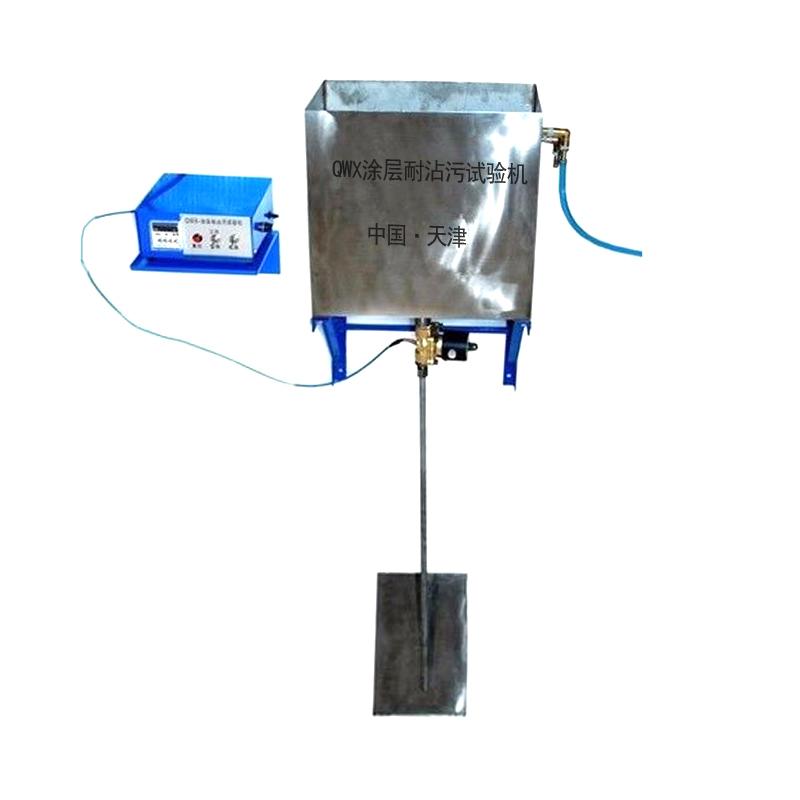
Detection method
The stain resistance of architectural coatings is an index to evaluate whether they are easily stained and polluted by pollutants during use. The following are the detection methods and steps for stain resistance of architectural coatings:
Sample preparation The paint is evenly coated on the sample plate to ensure uniform thickness of the coating, and cut into suitable size samples after drying.
Contamination treatment Evenly coat common pollutants on the surface of the sample, such as oil, ink, dirt, etc.
Common cleaning methods are used for cleaning, such as washing with water, wiping, etc., to remove pollutants, and the cleaning time and cleaning method are recorded.
Observation and detection Take out the sample and observe whether there are residual pollutants or obvious traces of pollution on the surface of the coating.
Data processing evaluates the stain resistance of the paint by observing the data obtained from the test, and usually determines the rating of the paint according to the relevant standards to determine whether the paint meets the application requirements.
NBCHAO reminds you: Different types of paints have different tolerances to pollutants. Therefore, in actual testing, different testing methods and standards should be used according to different types of paints and application scenarios to evaluate the stain resistance and durability of paints.
In short, the detection of stain resistance of architectural coatings is an indispensable work in construction engineering. Through reasonable detection methods and steps, the anti-pollution performance and durability of the paint during use can be evaluated, and the appropriate type and brand of paint can be selected to ensure the construction quality and service life of the building.
