The purpose of testing the bending resistance of architectural coatings is to evaluate their durability and performance during construction and use. Architectural coatings need to be able to withstand changes in the natural environment of buildings, including the influence of factors such as temperature, humidity and wind on buildings, and also need to have certain impact resistance and compression resistance. If the coating has poor bending resistance, it will cause problems such as cracking, peeling or deformation of the coating, which will affect the aesthetics and service life of the building.

Detection method
The test of bending resistance of architectural coatings is to evaluate its durability and performance during construction and use. The following are the testing methods and steps for the bending resistance of architectural coatings:
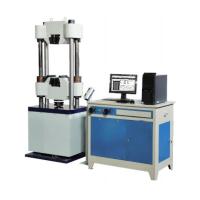
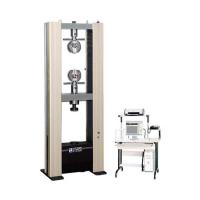
Bending test The coating was subjected to a bending test using standard bending test equipment, and the fracture position and angle of the coating were recorded to evaluate its bending resistance.
The manual bending test uses a manual method to perform a bending test on the coating to observe whether there are cracks, peeling, deformation, etc. on the surface of the coating to evaluate its bending resistance.
Observation and detection Observe whether there are cracks, blisters, deformation and other problems on the surface of the coating to evaluate its durability and impact resistance.
Data processing evaluates the bending resistance and durability of the paint by observing the data obtained from the test, and usually determines the rating of the paint according to relevant standards to determine whether the paint meets the application requirements.
In short, the detection of bending resistance of architectural coatings is an indispensable work in construction engineering. Through reasonable detection methods and procedures, the durability and performance of the coating can be evaluated, and the appropriate type and brand of coating can be selected to ensure the construction quality and service life of the building.