Porcelain-like paint is a paint with a highly simulated appearance and texture of porcelain, usually composed of resins, pigments and other materials. It is mainly used in interior decoration, and can be used for various surface coatings such as walls, floors, and ceilings. Because of its unique simulation effect and decorative effect, it is more and more popular among people.
Detection performance and instrument
| key performance | equipment |
|---|---|
| color consistency | color comparator |
| Adhesion | Adhesion Tester |
| water resistance | Moisture Volatility Meter |
| Alkali resistance | pH meter |
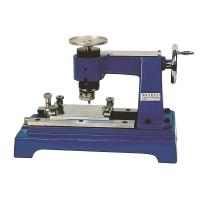
| Durability | Abrasion testing machine, weathering Tester |
| chemical stability | UV spectrometer, chromatograph |
Detection steps
Color consistency test: Use a color comparator to test the color of the sample. When testing, select a position with a relatively uniform color on the surface of the sample for measurement, and take the average value of multiple measurements for comparison.
Adhesion test: Use an adhesion Tester to test the tensile, shear and other mechanical properties of the sample to evaluate the adhesion between the coating and the substrate.
Water resistance test: Use a moisture volatilizatIon Meter to test the sample, measure the quality change of the sample under different humidity conditions, and evaluate its water resistance.
Alkali resistance test: Use a pH meter to measure the pH value of the sample at different pH values to evaluate its alkali resistance performance.
Durability test: Use wear Tester, weather Tester and other equipment to conduct multiple wear and simulated weather aging tests on the sample to evaluate its durability.
Chemical stability test: Use ultraviolet spectrometers, chromatographs and other equipment to conduct chemical stability tests on samples to evaluate their chemical stability under different environmental conditions.