Steel structure anti-corrosion coating is a coating for the surface of steel structure to improve its anti-corrosion performance. Anti-corrosion coatings for steel structures are mainly composed of resins, pigments, fillers, etc., and have good corrosion resistance, weather resistance, wear resistance, etc., and are suitable for anti-corrosion, anti-rust, and decoration of various steel structure surfaces. It is used in a wide range of fields, including construction, bridges, marine engineering, petrochemical, electric power and other industries, and can effectively extend the service life and maintenance cycle of steel structures.
Detection performance
| Performance name | Equipment used |
|---|---|
| film thickness | Coating Thickness Gauge |
| Adhesion | Adhesion Tester |
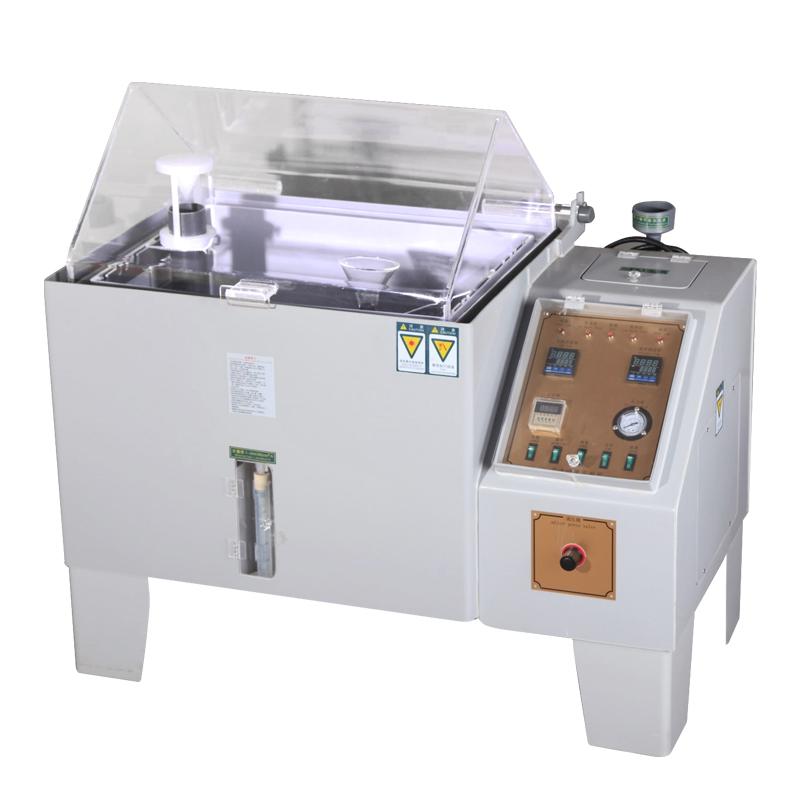
| Salt spray corrosion resistance | Salt spray Test Chamber |
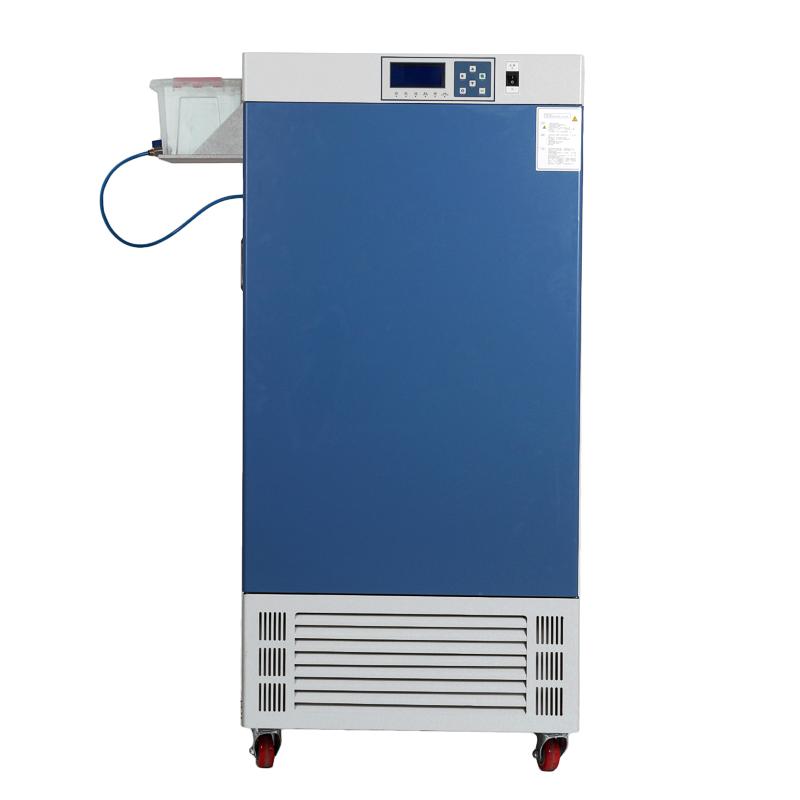
| Water resistance | Water cycle Test Chamber |
| Chemical resistance | Chemical Resistance Test Chamber |
| Heat resistance | Thermal cycle Test Chamber |
| density | Density meter |
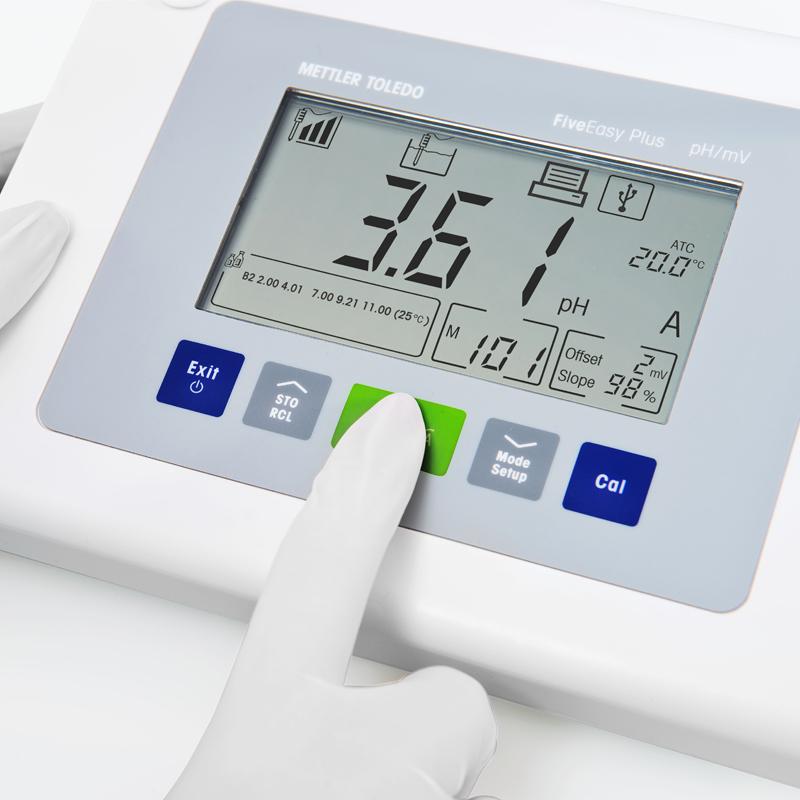
| pH value | pH meter |
Detection steps
The following are the corresponding detection steps:
Film thickness:
scratch a straight line on the coating surface;
The film thickness of the coating was measured using a Film Thickness Gauge.

Adhesion:
scratch a straight line on the coating surface;
Use an adhesion Tester to measure the adhesion of the coated surface.

Salt spray corrosion resistance:
scratch a straight line on the coating surface;
Place the coating sample in a salt spray Test Chamber for salt spray corrosion test;
Observe the changes in the coating sample, such as corrosion, peeling, discoloration, etc.
Water resistance:
scratch a straight line on the coating surface;
Place the coating sample in the water circulation test box to carry out the water circulation test;
Observe the changes in the coating sample, such as peeling off, discoloration, etc.
Chemical resistance performance:
Place the coating sample in a chemical resistance test box and expose it to chemical reagents;
Observe the changes in the coated samples and use a microscope to observe their surface topography.
Heat resistance:
Place the coating sample in a thermal cycle Test Chamber;
Observe the performance changes of coated samples in high-low temperature environments.
density:
Place the paint sample in the density meter;
Measure the density of a paint sample.

pH value:
Place the paint sample in the pH meter;
Measure the pH of the paint sample.
The above are the key performance testing methods and steps of anti-corrosion coatings, providing reference for industry users. For more detailed instrument knowledge and technical knowledge, you can communicate with Beichao technical customer service.
