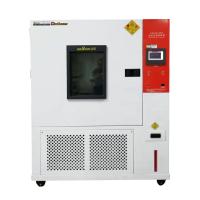
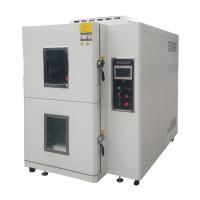
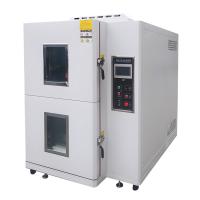
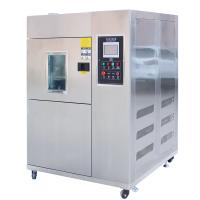
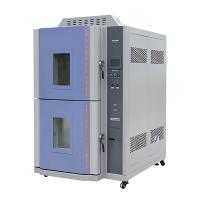
Both high-low Temperature Test Chambers and thermal shock chambers are commonly used environmental test equipment, but their test functions and usage methods are slightly different.
The high-low Temperature Test Chamber is mainly used to simulate the performance and stability of products in high temperature and low temperature environments. It usually has test functions such as constant temperature and humidity, high-low temperature alternation, temperature gradient, etc., and can be used for product testing in electronics, electrical appliances, aerospace, automotive and other industries. High-low Temperature Test Chambers usually have a high-power refrigeration system and a large test space, which can be used for long-term constant temperature and humidity tests. The thermal shock chamber is mainly used to simulate the performance and stability of the product under extreme temperature changes. It usually has test functions such as high-speed temperature change, high-low temperature cycle, temperature shock, etc., and can be used for product testing in electronics, electrical appliances, aerospace, automotive and other industries. The thermal shock chamber usually has the ability of rapid temperature rise and fall, and can be used for temperature change tests in a short period of time.
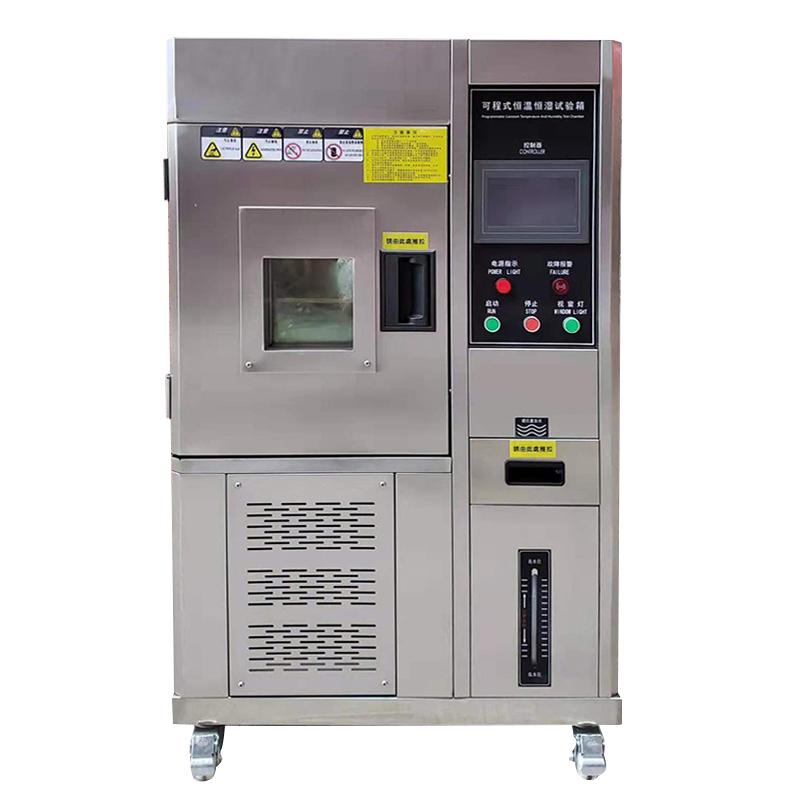
Specifically, high-low Temperature Test Chambers and thermal shock chambers are both temperature environment test equipment, but their test purposes and test methods are different. The main differences are as follows:
Purpose of the test: The high-low Temperature Test Chamber is mainly used to test the temperature resistance of the item, and no rapid temperature change is performed during the test; while the hot and cold shock chamber is mainly used to test the thermal shock and cold shock performance of the item, and rapid temperature changes are required during the test.
Temperature change rate: During the test process, the high-low Temperature Test Chamber generally needs to raise and lower the temperature relatively slowly, and the temperature change rate is usually 1°C/min or lower; while the cold and heat shock chamber needs to quickly rise and fall in temperature, and the temperature change rate can reach 10°C/min or higher.
Temperature range: High-low Temperature Test Chambers can generally test a wide range of temperatures, generally -70°C ~ 150°C or higher; while the test temperature range of thermal shock chambers is relatively narrow, generally -40°C ~ 150°C.
Internal structure design: Due to the different test purposes and test methods, the internal structure design of the high-low Temperature Test Chamber and the thermal shock chamber are also different. The internal design of the high-low Temperature Test Chamber is generally relatively simple, and usually only requires a temperature control system and a heating system; while the thermal shock chamber requires a liquid nitrogen or liquid gas refrigeration system to achieve rapid temperature changes.
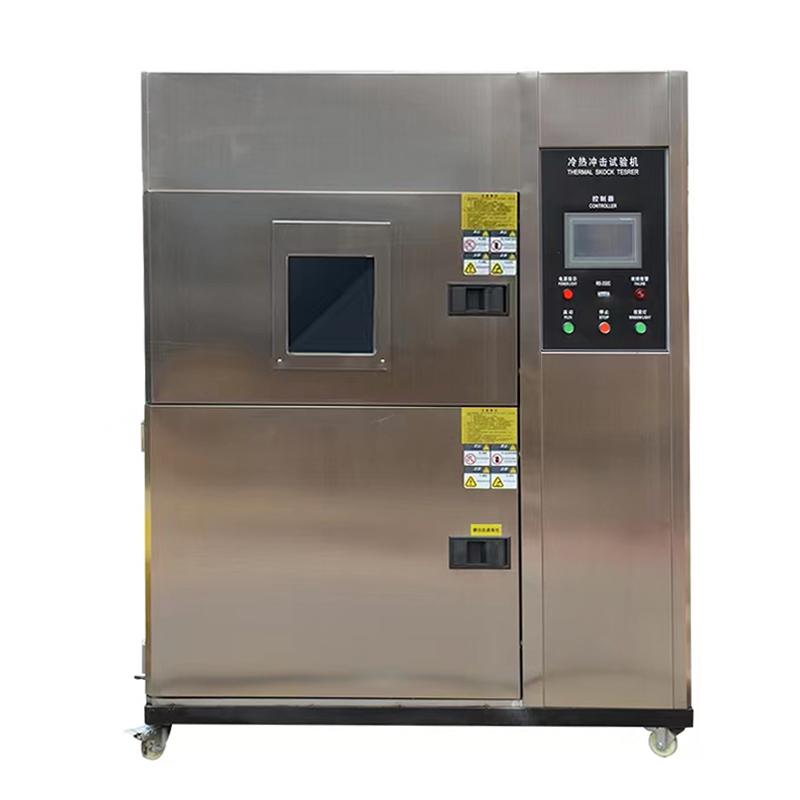
Application scenarios: High-low Temperature Test Chambers are mainly used for temperature resistance testing and environmental adaptability testing, and are often used in electronics, electrical appliances, optoelectronics, automobiles and other industries; while thermal shock chambers are mainly used to test the performance of materials, products, components, etc. under sharp temperature changes, and are often used in electronics, electrical appliances, automobiles, aerospace and other industries.
In short, although high-low Temperature Test Chambers and thermal shock chambers are all equipment used for temperature environment testing, due to different test purposes and test methods, there are large differences in their use scenarios, temperature change rates, temperature ranges, and internal structure designs.