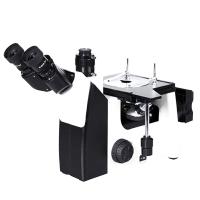
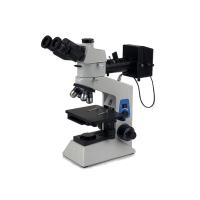
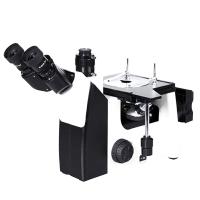
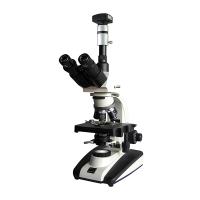
Metallographic microscope is a microscope specially used for the analysis of the tissue structure of metal materials. It uses optical principles to observe and analyze the microstructure of metal materials, including information such as the tissue structure, grain size, grain boundaries, etc. Metallographic microscopes are usually equipped with metallographic sample preparation equipment, such as corrosion, grinding, etc., in order to prepare and process metal samples.

Technical parameters:
magnification
| Technical parameters | explain |
|---|---|
| The maximum magnification a microscope can achieve | |
| focal length | Focal Length of Microscope Lens System |
| Number of objective lenses | Number of objective lenses in a microscope lens system |
| microscope light source | Types of light sources used in microscopes |
| Image acquisition system | Image acquisition systems used in microscopes |
The above are some typical technical parameters of metallographic microscopes. Different models of metallographic microscopes will also vary in these parameters. In addition, metallographic microscopes also have some other technical parameters, such as resolution, field of view, brightness of light source, etc. These parameters will also affect the imaging effect and scope of use of the microscope. Metallographic microscopes are mainly used in the quality control, manufacturing and research fields of metal materials, such as steel, copper-aluminum alloys, castings, etc. Metallographic microscopes play an important role in the analysis and evaluation of the microstructure, properties and quality of metal materials.