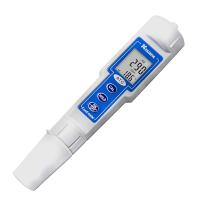
The conductivity of carbon coating slurry for lithium batteries is an important quality index, which is directly related to the performance and life of lithium batteries. A common method is to use a conductivity meter to measure.
Steps
The specific operation steps are as follows:
Prepare the carbon-coated slurry sample to be tested and put it into the test cell of the conductivity meter.
Calibrate and calibrate the instrument according to the instructions of the conductivity meter to ensure the accuracy of the test results.
Insert the test electrode of the conductivity meter into the carbon-coated slurry sample in the test cell, and keep the electrode still, and wait for the conductivity meter to measure stably.
Record the test results of the conductivity meter, and perform data analysis and evaluation. According to the test results, evaluate the conductivity index of the carbon-coated slurry, and carry out quality control and quality inspection.
NBCHAO reminds you: when using a conductivity meter to measure the conductivity of the carbon-coated slurry, it is necessary to avoid air bubbles and impurities in the sample of the carbon-coated slurry from interfering with the test results. In addition, according to actual needs, other methods can also be used to test and evaluate the conductivity of the carbon-coated slurry for lithium batteries, such as measuring with testing equipment such as an impedance analyzer.
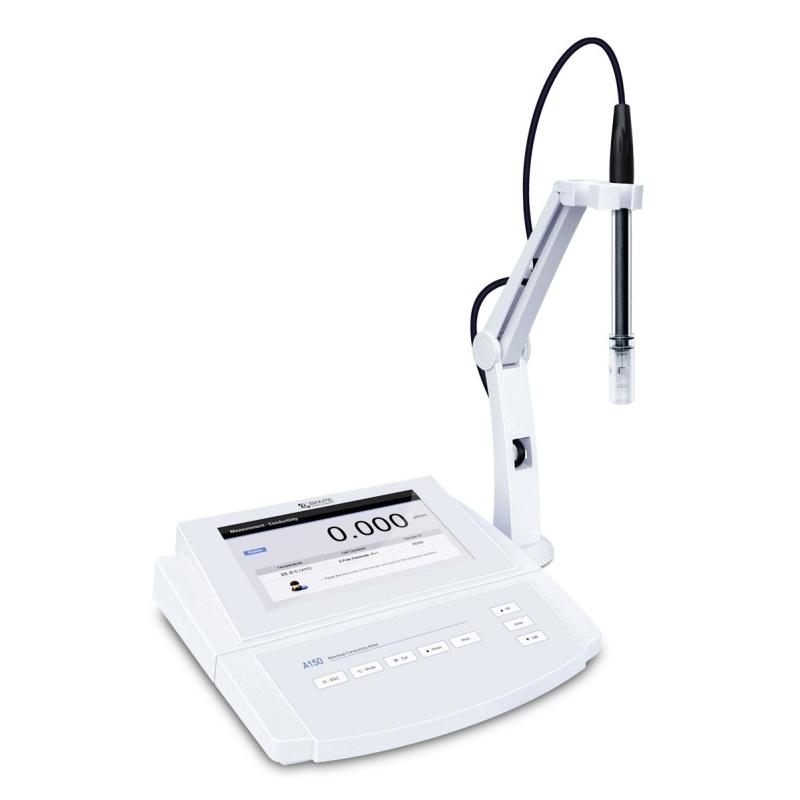
In addition to conductivity meters, there are other methods to measure the conductivity of lithium battery carbon coating slurry. Here are some commonly used methods:
Electrochemical Impedance Spectroscopy: By applying an AC voltage on the lithium battery electrode, the electrochemical impedance of the electrode surface reaction is measured, and the conductivity of the carbon-coated slurry is evaluated according to the shape and characteristics of the impedance spectrum.
Four-probe method: Use four probes to measure the resistivity of the carbon-coated slurry sample, so as to calculate the conductivity of the carbon-coated slurry. This method can avoid the air bubbles and impurities in the carbon-coated slurry sample from interfering with the test results.
DC resistance method: By applying a DC voltage to the carbon-coated slurry sample and measuring parameters such as current and voltage in the sample, the resistivity and conductivity of the carbon-coated slurry are calculated.
Beichao reminds you: Different test methods may have a certain impact on the test results, so when selecting a test method, the appropriate method should be determined according to the actual needs and the application environment. At the same time, in order to ensure the accuracy of the test results, it is also necessary to perform operations such as sample preparation, processing and calibration according to the requirements of the test method.