Silver nanowires are elongated nanoscale wire-like structures composed of silver atoms, with diameters usually ranging from tens of nanometers to hundreds of nanometers, and lengths of up to several micrometers. Silver nanowires are an important nanomaterial because of their excellent electrical conductivity, transparency, and flexibility.
Silver nanowires have many applications, including flexible electronics, transparent conductive films, sensors, biosensors, and more. Among them, transparent conductive films are one of the most widely used, and are used to manufacture display screens and electrodes in electronic products such as touch screens, smartphones, and televisions.

Preparation
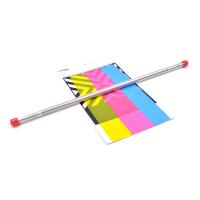
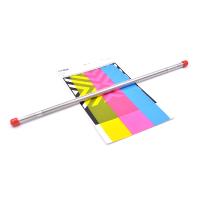
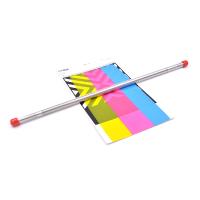
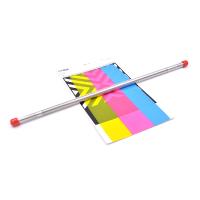
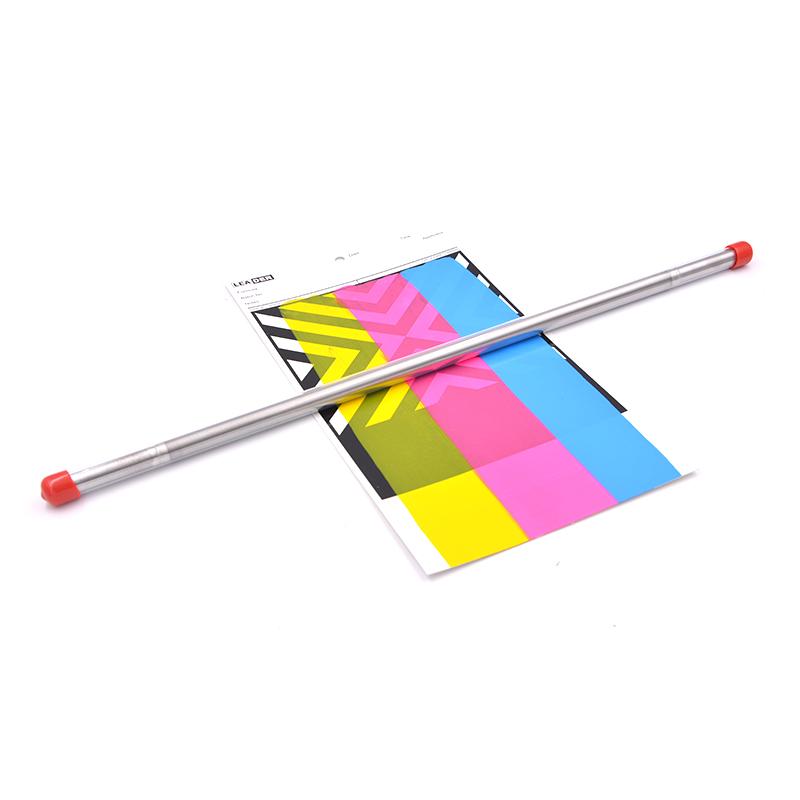
The method for preparing silver nanowire films using a wire Bar Coater is as follows:
Prepare the silver nanowire solution: mix the silver nanowires with a solvent, and fully disperse under ultrasonic treatment.
Prepare the substrate: select a suitable substrate, such as PET and other materials, and perform surface cleaning and pretreatment.
Coating: The silver nanowire solution was uniformly coated on the substrate using a wire Bar Coater.
Baking: the coated sample is placed in an oven for baking so that the silver nanowires form a dense film.
Finally, follow-up steps such as electrode preparation and testing are carried out.
NBCHAO reminds you: In the process of preparing silver nanowire films, parameters such as solution concentration, coating speed and temperature need to be controlled to obtain high-quality silver nanowire films.