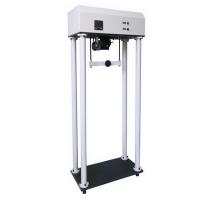
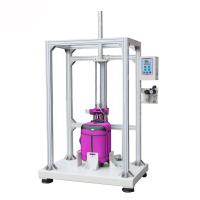
The bag fatigue testing machine is very important in the application of woven bags. It can be used to evaluate the tensile strength and fatigue performance of woven bags, and to carry out quality control and quality inspection. The following is an actual case of using a bag fatigue testing machine in the application of woven bags:
A woven bag manufacturer needs to produce a batch of woven bags for transporting agricultural products. In order to ensure the quality and performance of the woven bags, they use the bag fatigue testing machine to test the samples, and carry out quality control and quality inspection according to the test results.
During the test, they first prepared the sample of the woven bag, placed it on the test bench of the bag fatigue testing machine, and carried out the measurement operation according to the operating instructions of the instrument. During the test, they used different loads to test the samples and measured the tensile strength and fatigue properties of the samples under different loads. After the test is completed, they analyze and evaluate according to the test results, and make adjustments and optimizations according to actual needs.

Through the test of the bag fatigue testing machine, they successfully evaluated the tensile strength and fatigue performance of the woven bag, so as to select the woven bag suitable for transportation needs and ensure its stability and reliability during use. For example, they might test the tensile strength and fatigue life of woven bags under different loads and cycles, and compare and evaluate based on the test results. If a batch of sacks is found to have insufficient fatigue performance, they can make adjustments to the production process to ensure that sacks meet specifications.
When choosing which test instrument to use, a variety of factors need to be considered, including the physical properties of the test object, the purpose of the test and the indicators that need to be evaluated, the accuracy and reliability requirements of the test, budget, and so on. The following are some general recommendations for selecting test instruments:
Determine the purpose of the test and the metrics to be evaluated. For example, instruments that measure bending stiffness are suitable for assessing the flexibility and strength of a material, while instruments that measure coefficient of friction are suitable for evaluating the frictional properties of a material's surface.
Determine the physical properties of the test object. For example, testing the whiteness of paper usually requires the use of a whiteness Tester, while testing the hardness of metal usually requires the use of a durometer, etc.
Determine the accuracy and reliability requirements for the test instrumentation. Some test instruments may require greater accuracy and reliability, while others may tolerate greater errors. Specific application requirements and actual conditions need to be considered.
Consider budget constraints. The prices of different test instruments may be different, and you need to choose according to your actual budget and needs.
Consult a professional. If you are not sure how to choose a test instrument, you can consult a professional, such as an engineer or salesperson in a related field.
In short, when choosing which test instrument to use, a variety of factors need to be considered comprehensively, including the physical properties of the test object, the purpose of the test and the indicators that need to be evaluated, the accuracy and reliability requirements of the test, budget and so on.