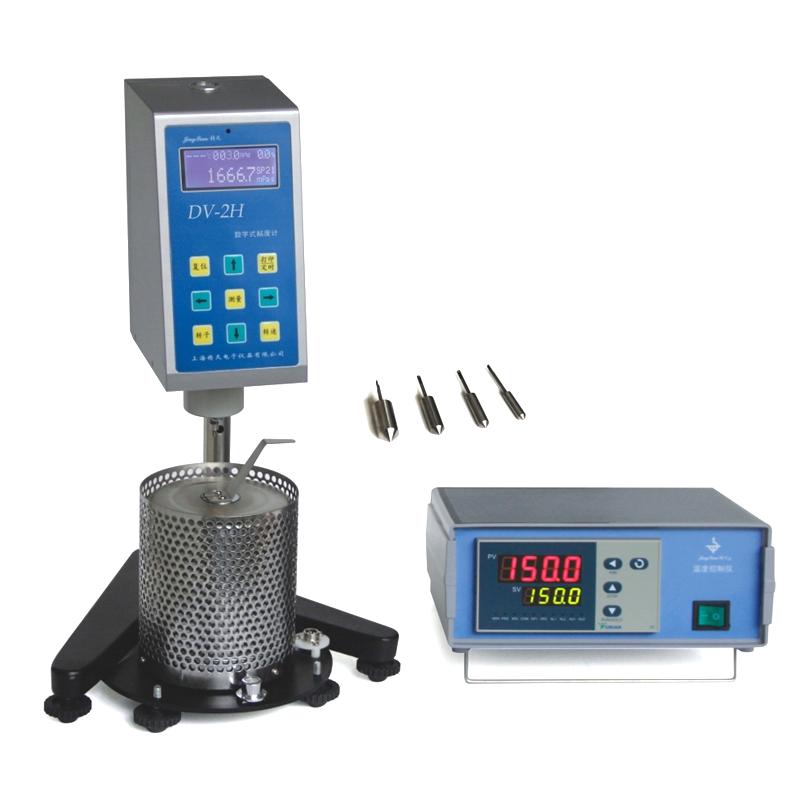
Measuring the viscosity of a glue can be done using a viscometer. Here are the general steps to measure the viscosity of a glue using a viscometer:
Choose the appropriate viscometer:
According to the nature and viscosity range of the glue, choose the appropriate viscometer. Common viscometers include rotary viscometers and titration viscometers.
Prepare the sample:
Take a certain amount of sample from the gel. Make sure the temperature of the sample is stable and there are no impurities or solutes.
Calibrate the viscometer: Before taking the measurement, calibrate the viscometer. Carry out the calibration operation according to the viscometer instructions to ensure the accuracy of the measurement results.
Adjust the temperature:
Adjust the temperature of the sample to the desired test temperature according to the requirements of the glue. The viscosity of the glue usually varies with temperature, so make sure the temperature is stable and consistent with the selected test temperature.
Measure viscosity:
Inject the prepared sample into the viscometer. According to the requirements of the viscometer, select the appropriate measurement time and speed and other parameters. Start the viscometer to measure and record the resulting viscosity value.
Multiple measurements:
For accurate results, it is recommended to take multiple measurements and calculate the average. Repeat the measurement process, using a new sample for each measurement.
It should be noted that different types of glues have different rheological properties and viscosity ranges, so it may be necessary to choose a suitable viscometer and measure it according to the characteristics of the specific glue. In addition, the use method and operation steps of the viscometer may vary depending on the specific equipment. It is recommended to operate according to the instructions of the viscometer used.



