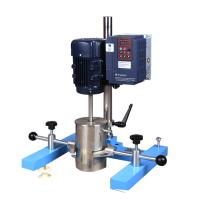
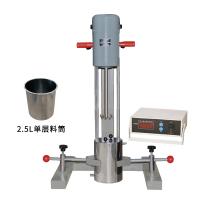
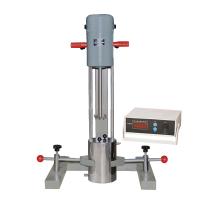
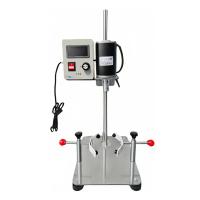
Calibration procedures for dispersers are designed to ensure that the operating state and performance of the disperser meet expectations and provide accurate and reliable slurry dispersion and mixing results. The following are the main steps and considerations for a general disperser calibration procedure:
Preparation before calibration:
Check the overall state of the disperser, including power supply, wires, transmission parts, etc., to ensure the normal operation of the equipment.
Inspect disperser accessories and accessories such as stirring blades, containers, etc. to ensure they are complete, clean and fit for use.
Speed calibration:
Measure the speed of the disperser using a suitable speed measuring instrument, such as a laser velocimeter or tachometer.
Compare the measured rotational speed with the displayed value on the disperser device to ensure that the two match.
Temperature calibration:
Use a thermometer or temperature sensor to measure the temperature of the work area of the disperser.
Compare the measured temperature with the temperature display on the disperser device to make sure they match.
Stirring blade calibration:
Check whether the installation of the stirring blade is correct, and ensure that the connection between the blade and the stirring shaft is tight and reliable.
Check the balance of the blade, which can be tested using a balance test instrument.
Calibration record:
Record key parameters during calibration, such as rotational speed, temperature, stirring blade status, etc.
Record calibration results and compare with expected performance such as rotational speed error, temperature error, etc.
When calibrating the disperser, it is necessary to follow the corresponding operating procedures and safe operation requirements. The frequency and method of calibration can be determined according to the frequency of use, working environment and quality control requirements of the disperser. Regular calibration of the disperser can ensure its stable working performance, improve work efficiency and product quality. At the same time, calibration records are also an important basis for monitoring and evaluating the operation status and maintenance of the disperser.