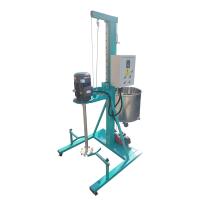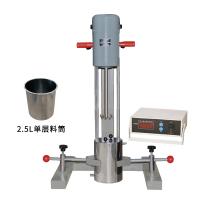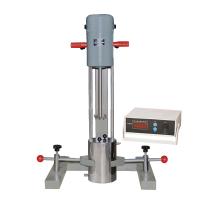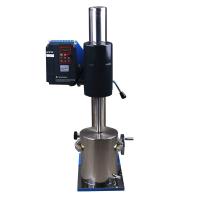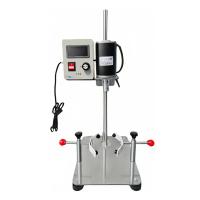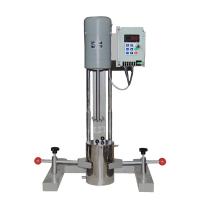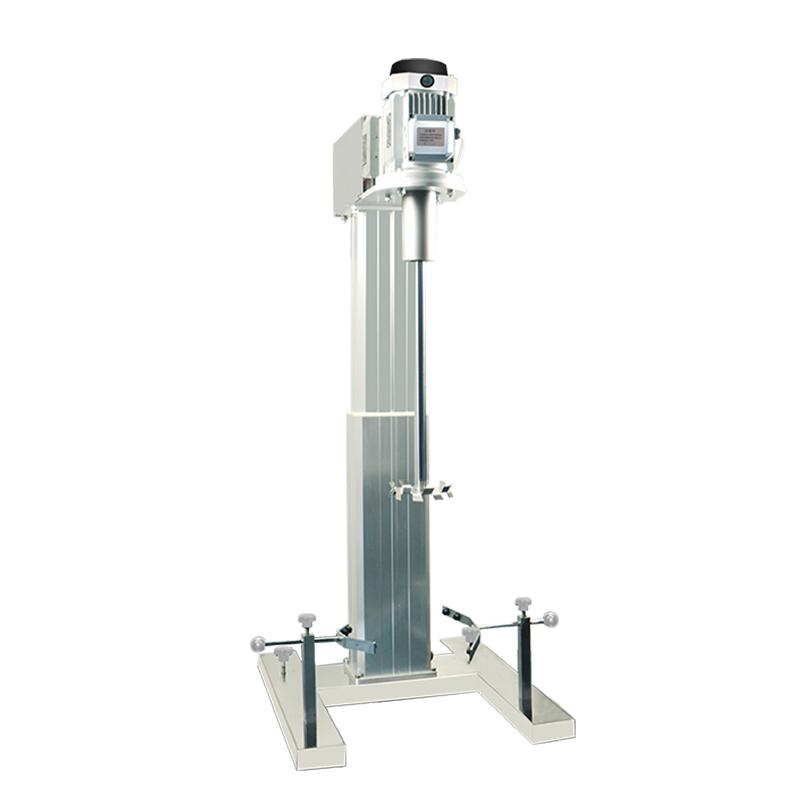
The disperser can only go up and not down, usually determined by its design and working principle. Here are some possible reasons:
Liquid discharge: The disperser discharges the liquid through the discharge port during the working process to achieve the purpose of dispersion and mixing. Liquid is generally discharged from the disperser by gravity, so it can only be raised, not lowered.
Equipment structure: The design of the disperser is usually based on the principle that the liquid enters from the top, after stirring and dispersing, it is discharged from the bottom. The structure and structure of the equipment limit the flow direction of the liquid, so that it can only flow from top to bottom, not in reverse.
Stirring device: The stirring device of a disperser is usually designed to stir and disperse the liquid from the top down to achieve the effect of mixing and dispersing. This design limits the flow direction of the liquid so that it cannot flow in the opposite direction.
It is important to note that there may be differences between different types and designs of dispersers, and some dispersers may have lift functions. Therefore, in specific cases, it is necessary to refer to the operating instructions of the disperser or communicate with the manufacturer to understand the functions and limitations of that particular disperser.
If you need to achieve liquid reduction during dispersion, you may want to consider other equipment or methods, such as the use of pumps or gravity flow systems for liquid delivery and reduction. This depends on specific application needs and process requirements.