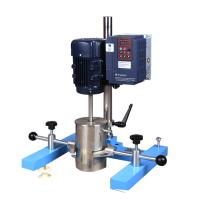
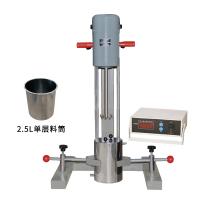
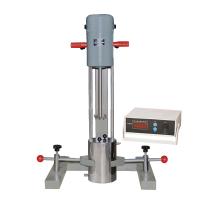
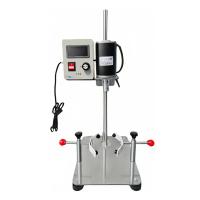
Vacuum defoaming disperser is a device used to remove bubbles and air in liquids, often used in coatings, glues, cosmetics and other fields. The following is a typical structure introduction of vacuum defoaming disperser:
Operating room: Vacuum defoaming dispersers usually contain an operating room for placing liquid samples and operating. The operating room is usually made of stainless steel or corrosion-resistant material with sealing properties to maintain a negative pressure environment.
Vacuum system: The vacuum defoaming disperser is equipped with a vacuum system for creating a negative pressure environment. The vacuum system usually includes a Vacuum Pump, a vacuum gauge and related piping connections. The Vacuum Pump creates a negative pressure environment by extracting air from the operating chamber to facilitate the removal of air bubbles.
Stirring device: Vacuum defoaming dispersers are usually equipped with stirring devices for stirring liquid samples. The stirring device is usually driven by a motor with stirring rods or stirring blades to achieve liquid mixing and uniform stirring.
Heating/Cooling System: Some vacuum defoaming dispersers are also equipped with heating or cooling systems to control the temperature of the liquid sample. By heating or cooling, the viscosity, fluidity and dispersion effect of the liquid can be adjusted.
Control system: The vacuum defoaming disperser is usually equipped with a control system for setting and adjusting various parameters, such as vacuum degree, stirring speed, heating temperature, etc. The control system is usually controlled by a touch screen or button, providing convenience and accuracy of operation.
The structure of the vacuum defoaming disperser can vary according to the specific brand and model. The above introduction is only a common structure in general. When selecting and operating a vacuum defoaming disperser, it is recommended to refer to the operation manual and relevant technical specifications of the equipment to ensure correct and safe use.