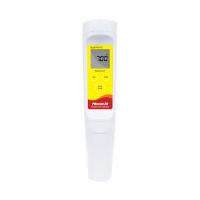
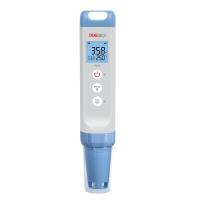
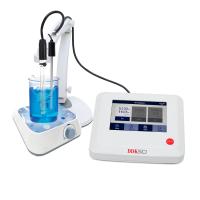
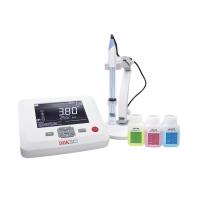
A pH meter composite electrode is a common electrode used to measure pH and consists of different materials. Here are some common types of pH meter composite electrodes:
Glass composite electrode: Glass composite electrode is one of the more common types of pH meter electrodes. It consists of a glass probe and a reference electrode. The glass probe determines pH by measuring the concentration of hydrogen ions in the solution.
Glass/Silver Electrode: This composite electrode integrates a silver electrode in a glass probe. The silver electrode is used to compensate for changes in the concentration of silver ions in the reference electrode to improve the accuracy of the measurement.
Glass/Platinum Electrode: This composite electrode integrates a platinum electrode in a glass probe. The platinum electrode is used to compensate for changes in the concentration of platinum ions in the reference electrode to improve the accuracy of the measurement.
ISFET electrode: ISFET (Ion-Sensitive Field-Effect Transistor) electrode is a solid-state electrode, which is different from traditional glass electrodes. It uses a solid-state semiconductor sensor to detect the ion concentration in the solution and convert it into a corresponding electrical signal.
Bipolar electrode: A bipolar electrode consists of two identical electrodes, usually glass electrodes. This electrode provides more stable and accurate measurements, especially for complex samples and measurements under extreme conditions.
These are common types of pH meter composite electrodes, each with its specific scope and advantages. The specific choice of composite electrode should be determined according to application requirements and sample characteristics.