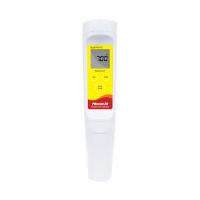
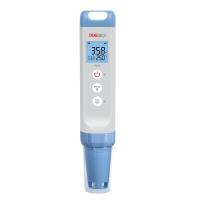
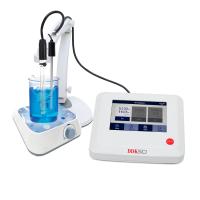
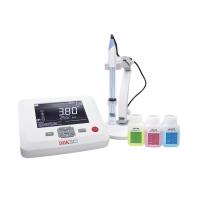
For pH meters and pH test strips, here are some common reading rules:
Reading rules for pH meters:
Calibration: Before using a pH meter, make sure it is properly calibrated. Calibration usually involves comparing the pH meter to a standard buffer of known pH and adjusting it.
Cleaning: Before taking the next measurement, wash the probe of the pH meter with the appropriate method and solution to avoid contamination and cross-interference.
Insertion Measurement: Insert the probe of the pH meter into the sample to be tested, make sure the probe is completely submerged, and wait a certain amount of time for the measurement to stabilize.
Reading: Record the pH value based on the value on the pH meter's display. Make sure to watch carefully when reading and pay attention to the position and accuracy of the decimal point.

eading rules for pH test strips:
Prepare the sample: Prepare the solution to be tested and dip the probe of the test strip into the sample, making sure the test strip is fully soaked.
Wait for reaction: According to the instructions for use of the test strip, wait for the specified time for the test strip to react with the sample.
Compare Colors: Compare the test strip with a color comparison chart to find the color area that best matches the color of the test strip.
Read pH value: Determine the corresponding relationship between the color of the test paper and the corresponding pH value on the color ratio chart, and record the corresponding pH value.

Whether using a pH meter or pH test paper, follow the instructions for use and ensure accurate operation. Please note that different brands and models of pH meters and pH test paper may have different reading rules and usage methods, so always refer to the relevant product instructions and guidelines.