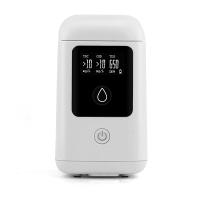
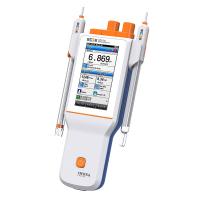
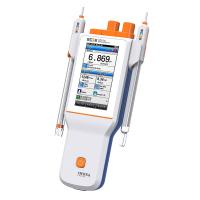
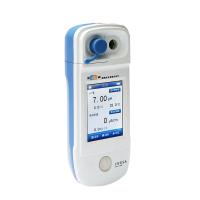
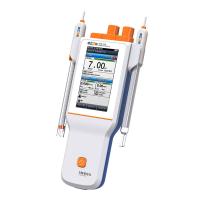
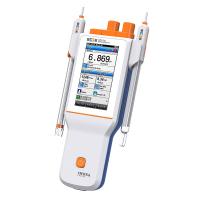
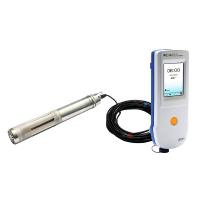
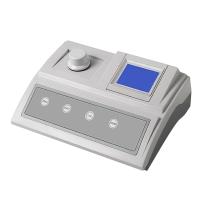
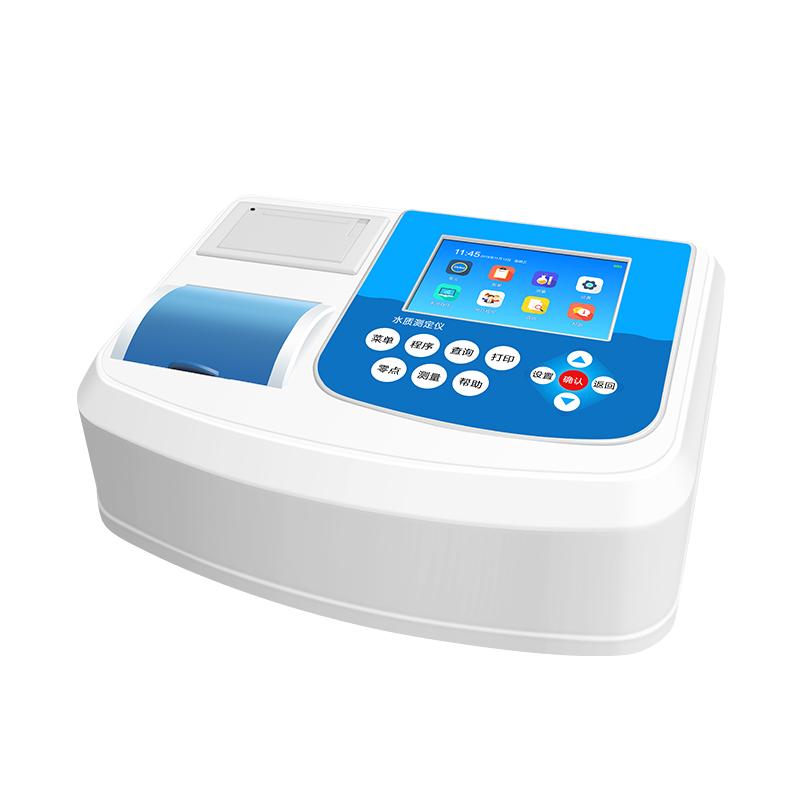
Well water quality testing usually includes multiple indicators, and well water quality testing usually includes multiple indicators, of which eight common indicators include pH value, turbidity, dissolved oxygen, conductivity, total suspended matter, hardness, heavy metals, bacteria and Microorganisms are generally detected by multi-functional water quality testing instruments.
The following are common indicators and their eligibility requirements:
pH: The pH value reflects the acidity and alkalinity of the water body and is generally considered a suitable range between 6.5 and 8.5.
Turbidity: Turbidity reflects the content of suspended substances in the water, and generally requires turbidity to be lower than 5 NTU (turbidity unit).
Dissolved oxygen (DO): Dissolved oxygen is the amount of oxygen dissolved in water, usually required to be above 5 mg/L to support the survival of aquatic organisms.
Conductivity: Conductivity measures the amount of electrolytes in a body of water and is also an indicator for assessing the salinity of water. Specific requirements vary by use and region.
Total Suspension (TSS): Total suspension is the total amount of all suspended solid particles in water, generally less than 10 mg/L.
Hardness: Hardness reflects the content of metal ions such as calcium and magnesium in water and is usually reported as CaCO3 (calcium carbonate). Hardness requirements vary by region and application.
Heavy metals: Common heavy metals include lead, mercury, cadmium, chromium, etc., and their content must be lower than the safety limits stipulated by national or international standards.
Bacteria and microorganisms: including the presence or absence of indicator microorganisms such as Escherichia coli and Salmonella. The detection requirements of these microorganisms are strict and should generally not be present in drinking water.
To ensure that well water is qualified, various indicators must be evaluated according to local regulations and standards. When testing, a reliable laboratory or professional organization should be selected for testing, and correct sampling and preservation methods should be followed. If the water quality index exceeds the qualified range, corresponding water treatment measures, such as filtration, disinfection or reverse osmosis, may be required to ensure the safety and suitability of well water.