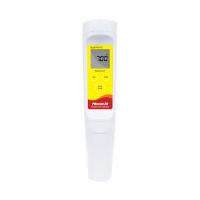
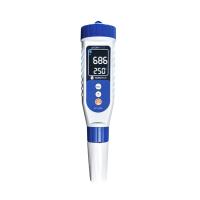
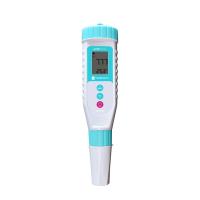
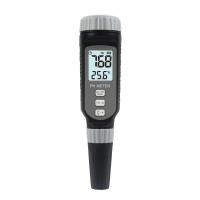
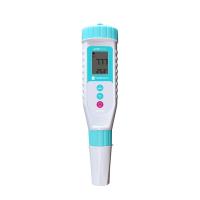
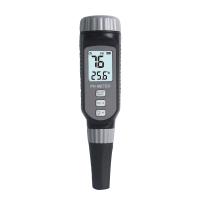
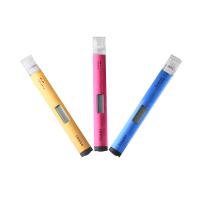
The water quality test pen is a portable water quality test instrument, which is often used to measure various indicators of water bodies, such as pH value, dissolved oxygen, conductivity, etc. The following is an overview of the general working principle, operation method and maintenance matters of the water quality test pen:
How it works
Water quality detection pens usually use the principle of sensors or electrodes to measure water indicators. Different detection pens have different sensors or electrodes, such as pH detection pens with pH electrodes, dissolved oxygen detection pens with dissolved oxygen sensors, etc. These sensors or electrodes are connected to circuits inside the instrument to determine water quality parameters by measuring physical or chemical changes between the water body and the electrodes.
How to operate
Preparation: Make sure the water quality test pen is calibrated or in normal working condition, and select the corresponding parameters (such as pH, dissolved oxygen, conductivity, etc.) as needed.
Sampling: Use a sampling container to collect water samples to be tested, and try to avoid the entry of pollution or air bubbles.
Measurement: Immerse the sensor or electrode of the water quality test pen into the water sample to ensure that the sensor is in full contact with the water sample. Wait for a while until the reading is stable.
Record Results: Record the measurement results, usually displayed on the screen of the instrument in numerical form. Measurements at multiple locations or at multiple time points can be recorded as needed.
maintenance
Regularly clean the sensors or electrodes of the water quality test pen to avoid the accumulation of contaminants or salinity. Use purified water or an appropriate cleaning solution for cleaning, taking care to follow the manufacturer's cleaning guidelines.
Regularly calibrate the water quality test pen to ensure accuracy and reliability. The calibration frequency depends on the frequency of use and requirements, and it is generally recommended to calibrate at regular intervals or after electrode replacement.
When storing water quality test pens, take care to keep them dry and within an appropriate temperature range. Avoid prolonged exposure to high, low or humid environments.
Follow the operating instructions in the instruction manual to avoid excessive bending or excessive stretching of the cable, and avoid violent vibration or collision. During use, take care to protect the instrument from serious contamination or damage.
Repair and maintenance should be carried out according to the specific water quality test pen model and the manufacturer's recommendations. If there is a fault or problem, it is recommended to contact the manufacturer or professional technicians for repair or consultation.