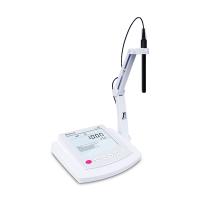
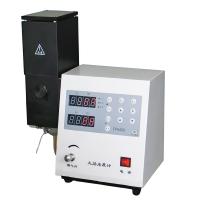
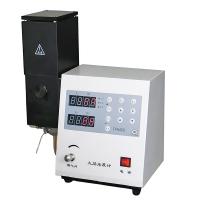
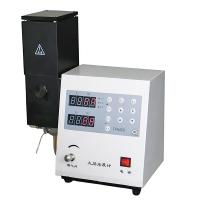
A flame photometer (Flame Photometer) and an ionometer (Ionometer) are two instruments used to measure the concentration of ions in a solution, and they have some differences in principle and application.
A flame photometer is an instrument based on the principle of photometry. It excites ions in the test solution in a flame to generate specific emission spectra, and then measures the intensity of the spectra using a photoDetector to determine the ion concentration. Each ion produces a specific spectrum in the flame, so by measuring the intensity of different spectra, the concentrations of different ions can be determined. Flame photometers are commonly used to measure metal ions such as sodium, potassium, and lithium, and are widely applied in fields such as environmental monitoring, food analysis, and biochemical experiments.

An ionometer is an electrochemical instrument used to measure the ion concentration in a solution. It utilizes ion-selective electrodes or ion-sensitive electrodes to undergo specific chemical reactions with ions in the solution, resulting in changes in potential, and then determines the ion concentration through potential measurements. Ionometers can measure various ions such as hydrogen ion concentration (pH meters), sodium ions, chloride ions, lead ions, and more. They are extensively used in areas such as environmental monitoring, water quality analysis, pharmaceuticals, and biochemical experiments.

In summary, a flame photometer utilizes the principle of photometry to determine ion concentration by measuring the emission spectra intensity of ions in a flame, while an ionometer is based on electrochemical principles, measuring the potential changes resulting from the reaction between ion-selective electrodes or ion-sensitive electrodes and ions to determine ion concentration. They differ in measurement principles, application fields, and the types of ions they are suitable for.