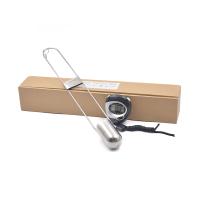
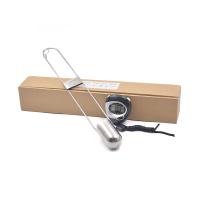
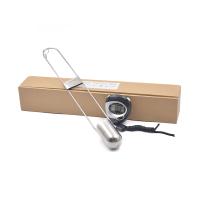
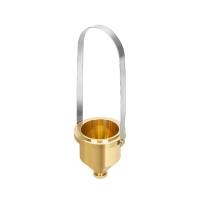
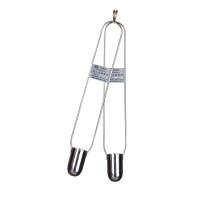
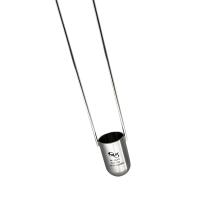
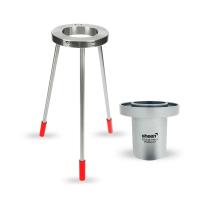
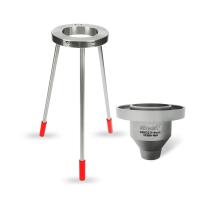
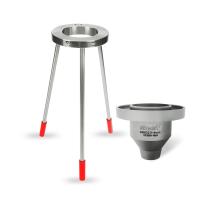
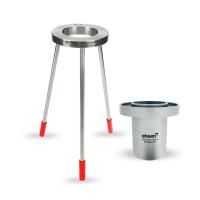
Viscosity cup is a tool used to measure the viscosity of paint. It is usually made of metal or plastic and has a specific shape and size. A paint Viscosity Cup usually consists of a cylindrical container and a small hole in the bottom.
When using a paint Viscosity Cup, the paint to be tested is poured into the cup, and then, according to specific standards or fluidity requirements, the paint flows out through small holes. By measuring the time it takes for the paint to flow out of the cup, the viscosity of the paint can be inferred. A thicker paint flows out a smaller amount in the same amount of time, while a thinner paint flows out a larger amount.
Paint Viscosity Cups are a simple and commonly used viscosity testing tool that can be used to check the fluidity and viscosity of various liquid materials such as paints, paints, adhesives, etc. Different types and specifications of paint Viscosity Cups can be used for paint testing in different viscosity ranges to meet different application needs.
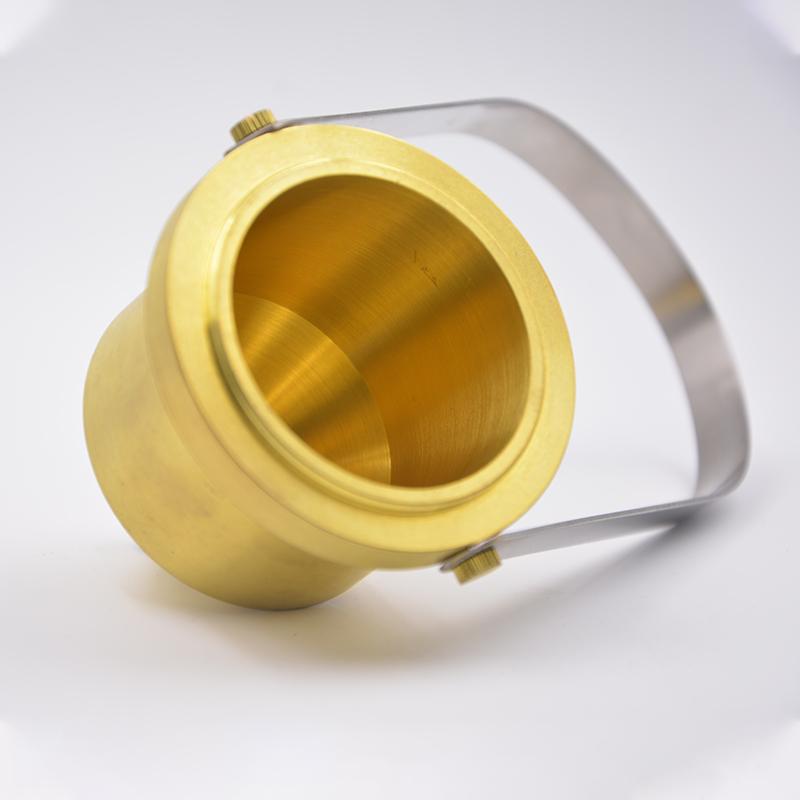
Viscosity cup calibration steps:
Prepare a standard paint:
Choose a standard paint that matches the Viscosity Cup specification. This standard paint should have a known viscosity value and be similar to the paint that will be tested.
Prepare the working environment: Ensure that the ambient temperature in which the calibration is performed is stable and remains within the operating ambient temperature range of the paint that is actually used in routine use.
Clean the Viscosity Cup:
Thoroughly clean the paint Viscosity Cup to ensure there is no residue or dirt in the cup.
Pour in the standard paint:
Pour the prepared standard paint into the Viscosity Cup until the cup is filled with liquid, but do not overfill.
Test time:
Wait for the standard paint to stay in the Viscosity Cup for a period of time to ensure stable temperature and viscosity.
Recording Time:
Use a timer to record the time, in seconds, required for a standard paint to flow from the beginning to the end.
Repeat the test: Repeat the above steps multiple times, take multiple time measurements, and average them to improve accuracy.
Compare and Standard:
Compare the average time measured by the Viscosity Cup with the known viscosity of the standard paint. If the measured time matches the viscosity value of the standard paint, the Viscosity Cup is accurate. If there are discrepancies, adjustments or corrections may be required.