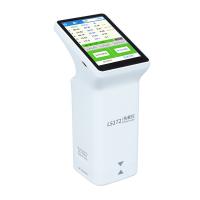
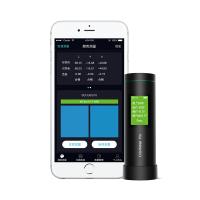
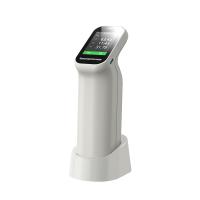
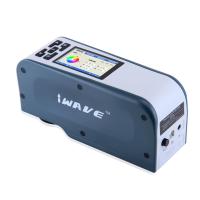
The application of Colorimeters is extremely extensive across various industries. Even if we say it spans across all industries, it wouldn't be an exaggeration. Although some industries may seem distant from Colorimeters on the surface, they are actually closely connected. As long as you deal with colors, you cannot be separated from Colorimeters. In this vast world, colors are everywhere, and it is impossible for any industry to be detached from color management. However, some industries may have lower requirements for color accuracy. But the ink industry is different; it has strict requirements for color deviation, and color management cannot be taken lightly.
There are many external factors that can cause color deviation in inks. Ink itself also has color deviation issues between batches, which is an important indicator reflecting ink quality. However, the color of ink cannot be simply judged by the naked eye alone. This requires the use of specialized color Measurement Instruments, namely Colorimeters, for detection and judgment. It is best to use ink from the same batch for a print job (especially when formulating spot colors, it is best to prepare a sufficient amount at once) because it is difficult to ensure color consistency between different batches of ink. Therefore, if a batch of ink fails to produce the desired results, strict quality control must be applied when selecting the next batch, using a Colorimeter to carefully inspect and compare, and choosing products with little to no color difference in digital color values for procurement.
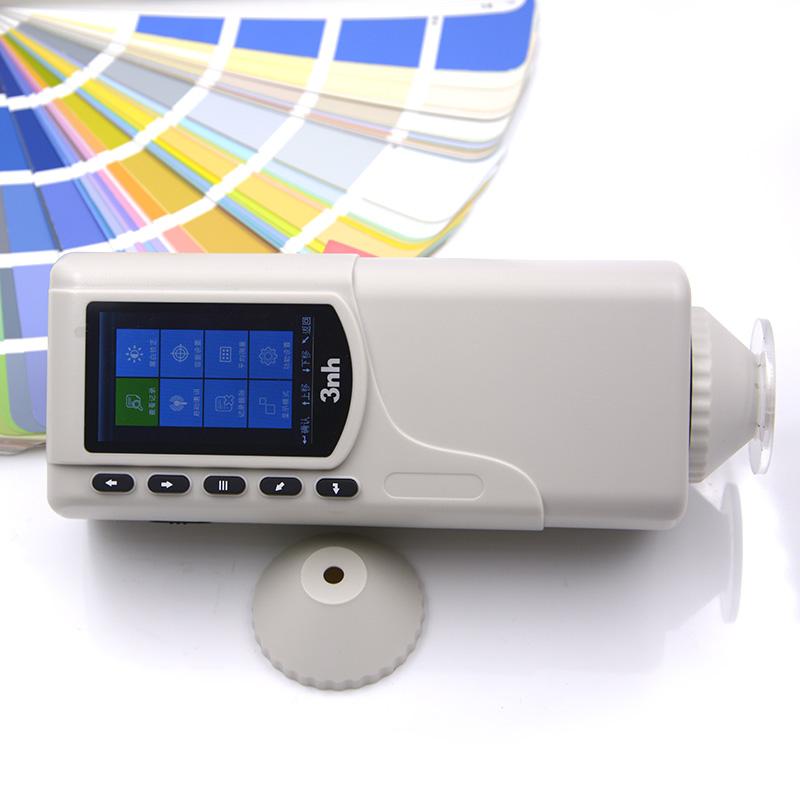
Ink Quality Testing
We should require ink suppliers to provide corresponding data, and more importantly, conduct testing on technical indicators of ink such as color, tinting strength, viscosity, lightfastness, and heat resistance.
Color and Tinting Strength Testing for Ink
Color and tinting strength are basic parameters in ink testing, and they greatly influence the ink's color. Color refers to the specific characteristics of the ink's color, corresponding to certain wavelengths and frequencies of light in optics. For example, red, yellow, and blue represent the color of the ink. Similarly, the principle of Colorimeters is to detect these spectrums, quantify and digitize the colors, providing users with a more intuitive understanding of color variations. Tinting strength refers to the degree to which one ink affects the color change of another ink. When formulating spot colors, if the color or tinting strength of one of the base inks changes, the resulting spot color will also change. The importance of Colorimeters in the detection of ink color lies in their ability to accurately determine the final print effect of the ink. Therefore, Colorimeters are indispensable for both printers when choosing inks and ink manufacturers to ensure color consistency between different batches of the same product.
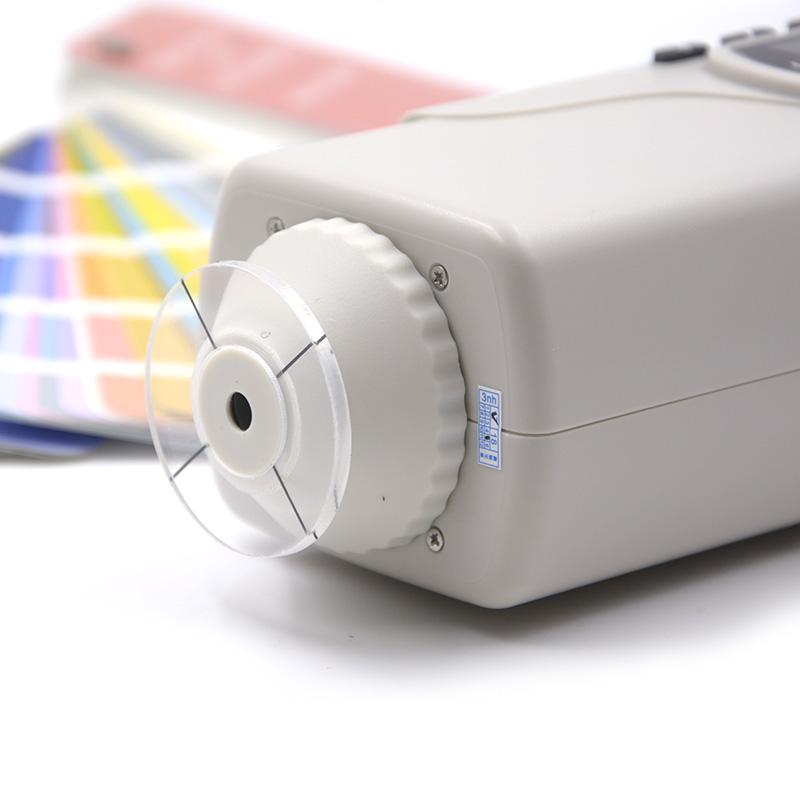
Color Testing
For newly supplied inks, it is generally necessary to adjust their viscosity to the on-press viscosity and perform sample printing using a printing press. This can produce an actual printed sample of the ink or apply a few drops of the ink on an ink fountain with adjusted pressure, dragging it on the surface of the substrate at a certain pressure and speed to form a color strip as a sample. Scraping ink bars can also be used. By observing the results of these samples, if the ink layer is uniformly smooth, with good coloration, a certain luster, and a rich ink color, and it is basically consistent with the standard Color Chart provided by the supplier (which can be provided by the ink manufacturer), it indicates that the ink's color meets the requirements. Finally, a certain amount of the ink tested should be sealed and preserved as a reference wet sample for the next color testing. When purchasing the same type of ink next time, relying solely on visual observation is not enough since the human eye has its limitations. Certain color differences cannot be perceived by the naked eye. Therefore, using a Colorimeter can provide more accurate and desired comparative values.
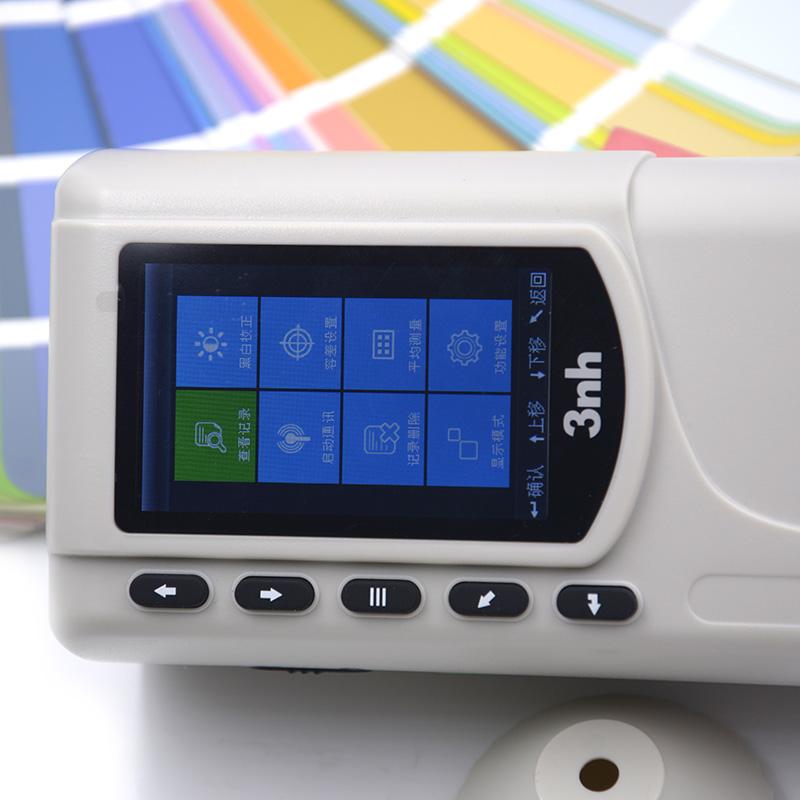
For previously used inks, the viscosity should be adjusted to the appropriate value, and color samples should be printed using an ink fountain. These samples can then be compared with the retained qualified samples or standard samples from previous tests to initially determine color consistency. Another method is to compare the tested ink with the wet sample of the ink that passed the previous test, dropping a few drops of each ink at a distance of about 1 cm on the ink fountain and scraping them side by side. This will leave two adjacent color strips, and by comparing these two strips, color consistency can be judged more accurately.
In fact, Colorimeters have many other applications in the ink industry. This article only briefly analyzes the impact of Colorimeters on ink color testing, and other aspects are not elaborated here. However, it is evident from the influence of Colorimeters on ink color that they are indispensable tools in the ink industry.