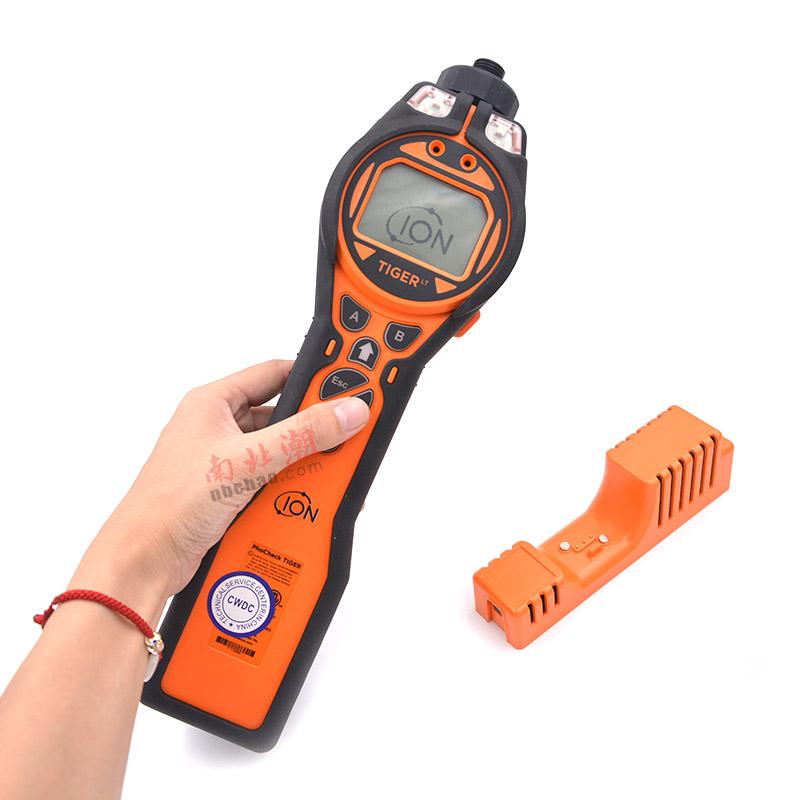
The alarm value of the Gas Detector is set according to the degree of danger and safety standards of different gases, so the specific alarm value will vary depending on the type of detection instrument, the purpose, the type of gas measured, and the application environment. Usually, the alarm value is divided into two levels:
Low-level alarm: generally set at a level where the concentration of flammable gas or toxic gas is slightly higher than the allowable value, to remind the operator to take preventive measures early to avoid the gas concentration continuing to rise and reaching the advanced alarm value.
Advanced alarm: Set at a level where the gas concentration reaches a dangerous level, indicating that the gas concentration has exceeded the allowable range and requires immediate emergency measures, including evacuating the scene or taking protective measures to ensure the safety of staff.
The following is an example of a possible alarm setting for a combustible gas such as methane Detector:
Low-level alarm value: generally set at about 20% - 30% of the combustible gas concentration, used to remind operators to pay attention and take preventive measures.
Advanced alarm value: Set at about 50% to 60% of the combustible gas concentration, indicating that the gas concentration has exceeded the safe range and requires immediate emergency measures.
Please note that the specific alarm value should be set according to the actual situation and relevant safety standards. When using a Gas Detector, the operator should know the danger level and allowable concentration range of the detected gas in advance, and set the alarm value in accordance with relevant procedures and safety standards to ensure that the instrument can alarm in a timely manner in the working environment and ensure the safety of personnel. For specific industries and places, the alarm value should also be set according to local regulations and standards.