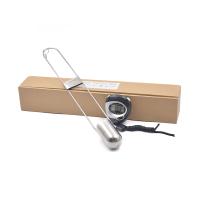
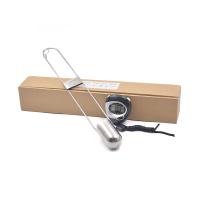
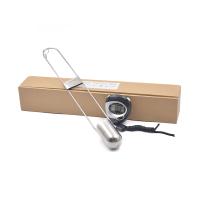
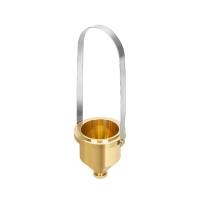
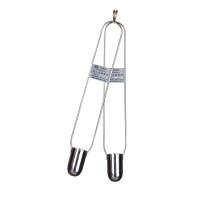
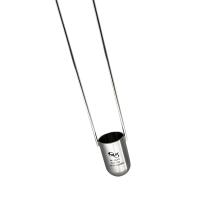
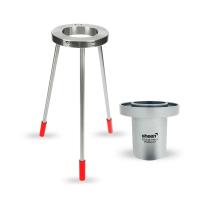
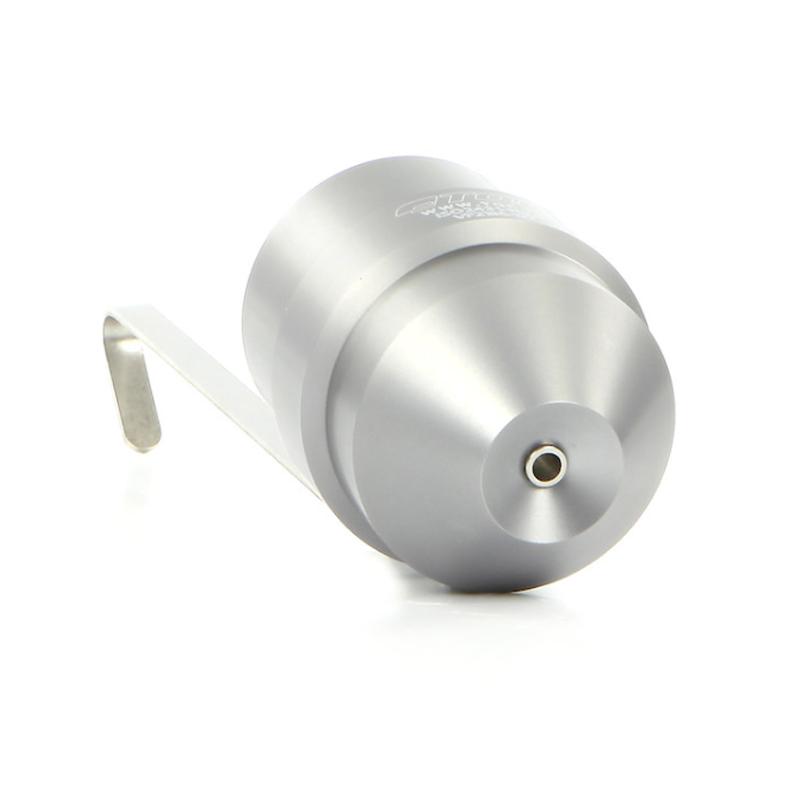
The ISO Viscosity Cup is a standardized tool for measuring the viscosity of liquids and follows the regulations of the international standards organization (ISO). ISO Viscosity Cups are widely used in coatings, chemistry, food and other fields to ensure product quality consistency and performance stability. The design and use of ISO Viscosity Cups are guided by ISO standards, ensuring the reliability and repeatability of measurement results.
How it works
The working principle of the ISO Viscosity Cup is to flow the liquid to be tested out of the orifice of the cup, and calculate the viscosity of the liquid by measuring the time of outflow. The design of the ISO Viscosity Cup includes different aperture and shape to meet the measurement requirements of different liquids. Common ISO Viscosity Cups include ISO4, ISO3, ISO6 and other models, each model is suitable for different ranges of liquid viscosity measurement.
ISO Viscosity Cups are usually equipped with a specific conversion table or formula that converts the measured outflow time into a viscosity value for the liquid. This allows users to perform quality control, production adjustments and process optimization based on the measurement results. The standardized design and use of ISO Viscosity Cups make them one of the viscosity measurement tools commonly used in the industry, helping to ensure consistency in the production and application of different products.
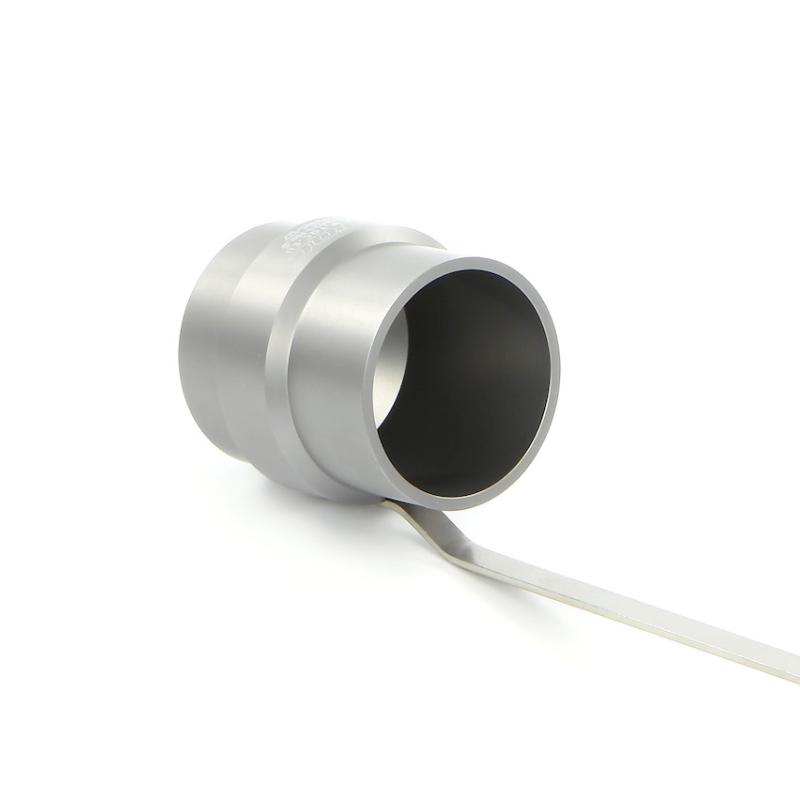
Selection points
There are also some important aspects to consider when it comes to ISO Viscosity Cups:
Choose the appropriate ISO Viscosity Cup
ISO Viscosity Cups come in different models and pore sizes, and each model is suitable for a specific range of liquid viscosity measurements. Choosing the ISO Viscosity Cup that fits the viscosity range of the liquid you are testing is key to ensuring accurate and reliable measurements.
Operation points
Preparation
Before doing an ISO viscosity measurement, make sure the cup is clean and free of impurities, and the liquid should be well stirred. Also pay attention to the effect of ambient temperature on the measurement results, as viscosity varies with temperature.
Standard operation
When making an ISO viscosity measurement, it is usually necessary to completely fill the Viscosity Cup with the liquid to be tested, then quickly remove it and start counting until the liquid flows out of the orifice. After recording the outflow time, convert the time to a viscosity value according to a conversion table or formula.
Calibration and Maintenance
To ensure the accuracy of the measurement results, it is crucial to regularly calibrate the ISO Viscosity Cup. Calibration should be carried out under specific conditions to allow comparison with standard viscosity values. Also, keep the ISO Viscosity Cup clean and maintained to prevent contamination and damage.
Scope of application
ISO Viscosity Cups are suitable for measuring the viscosity of liquids, but errors may occur when measuring non-Newtonian fluids such as some slurries. In this case, other types of viscosity measurement methods need to be considered.
Series Specifications
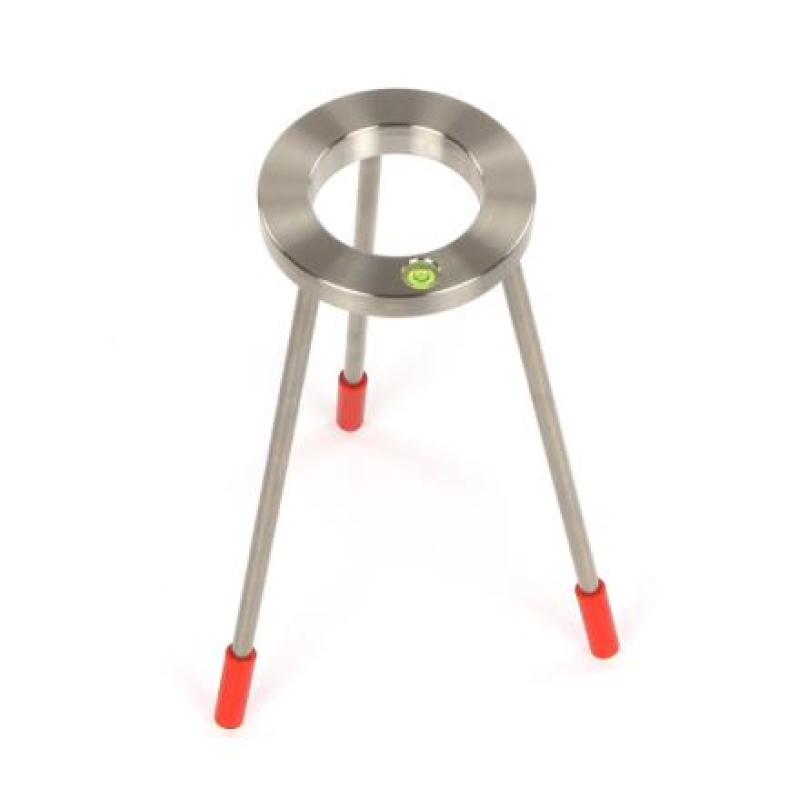
ISO Viscosity Cups are divided into different grades according to their design and measurement range, such as ISO6, ISO4, ISO3, etc. Each grade is suitable for a specific range of liquid viscosity measurements. The lower the ISO viscosity grade, the larger the cup hole, suitable for liquids with lower viscosity; while the higher the ISO viscosity grade, the smaller the cup hole, suitable for liquids with higher viscosity.

Application
ISO Viscosity Cups are widely used in various industries such as coatings, paints, cosmetics, food, medicine, etc. In the coatings and paints industry, ISO Viscosity Cups are used to determine the fluidity and coating quality of coatings, thereby ensuring the uniformity and stability of coatings during construction.
Viscosity conversion
Measurements of ISO Viscosity Cups are usually expressed in seconds (s), but in practical applications it is often necessary to convert these results to other viscosity units such as cSt (cm/s) or mPa · s (mPa seconds). For this, conversion is required using a viscosity conversion table or formula.
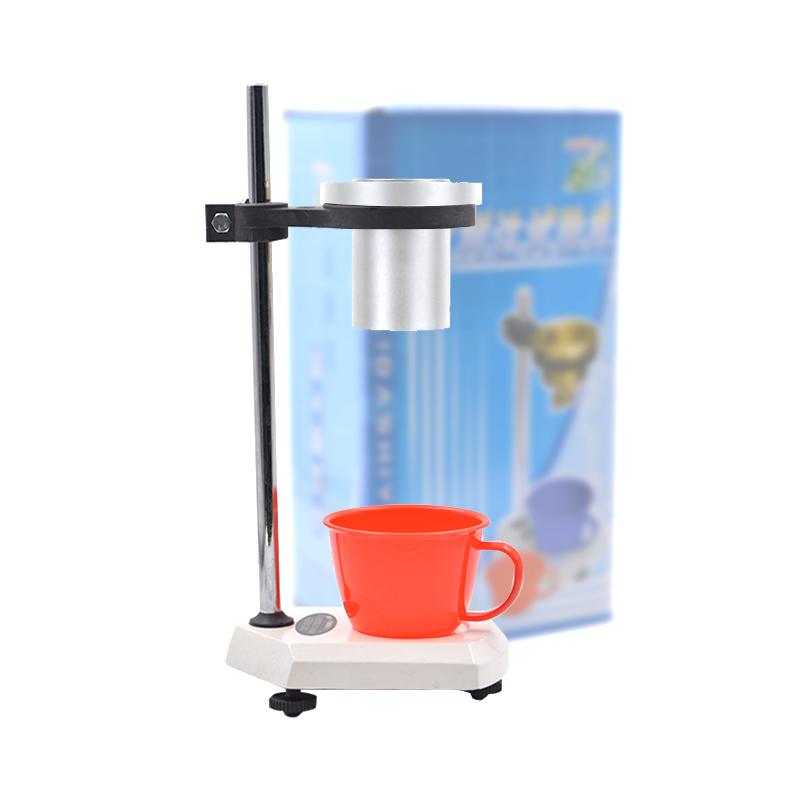
Although the ISO Viscosity Cup is a commonly used tool in many fields, it still has some limitations. Especially for non-Newtonian fluids, such as liquids containing particles or mixtures with high solids content, the measurement results of the ISO Viscosity Cup may be affected. In these cases, other test methods may be required to measure the viscosity of the liquid more accurately. The ISO Viscosity Cup is a standard tool widely used in multiple industries for measuring the viscosity of liquids. By selecting the appropriate ISO Viscosity Cup, following standard operating procedures, regular calibration and maintenance, accurate liquid viscosity data can be obtained, thus playing an important role in product quality control and process improvement. However, attention needs to be paid to its scope of application and limitations when using it to ensure the accuracy and reliability of the measurement results.