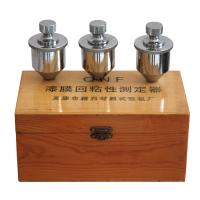
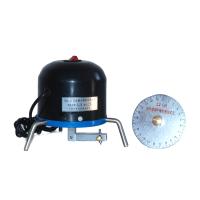
The change of coating from liquid to solid during application can be a change in physical properties or a change in chemical properties. This process is called coating drying. The drying cycle of the coating film is the drying time. Generally, coating drying can be divided into three main stages: surface drying, substantial drying and complete drying. According to its drying mechanism, there are also various coating drying methods, such as natural drying, heat drying, irradiation curing and gas phase curing.
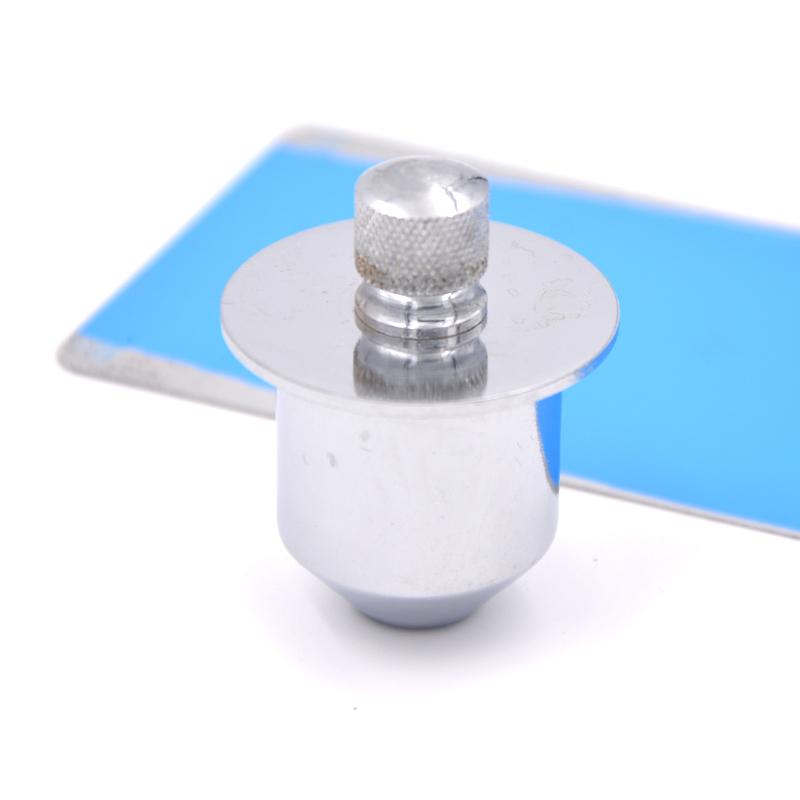
Natural drying
Definition: Natural drying, also known as free drying or air drying, refers to the process of curing a coating at room temperature. This method is suitable for volatile, emulsion polymers, oxidative polymerization, and some polymeric coatings that require an external curing agent.
Advantages: Natural drying is the easiest method of drying paints and requires no additional energy or curing equipment, making it ideal for paints that are not suitable or cannot be baked, such as construction, plastics, paper and leather.
Heating and drying
Definition: Heat drying is a method of accelerating the drying of coatings by providing an external heat source. It includes bake drying and forced drying, which can shorten the drying time of naturally dried coatings. Heat drying can be divided into low temperature, medium temperature and high temperature drying according to temperature; or into convection heating, radiant heating and induction heating according to the heating method.
Precautions: When using heat drying, the key is to ensure that the temperature in the furnace is uniform and prevent the coating film from drying excessively or not. At the same time, the solvent and other volatiles in the furnace should be discharged quickly, while ensuring that the air in the furnace is pure.
Irradiation curing
Definition: Irradiation curing refers to irradiating a coating with a specific light source to cure it. Common irradiation curing methods are ultraviolet (UV) curing and electron beam curing, of which UV curing is more common.
How it works: UV curing uses 300-450nm ultraviolet rays to irradiate the paint, triggering a photosensitive initiator, which produces free radicals. These free radicals further trigger the polymerization and cross-linking reactions of the compounds in the paint, quickly forming a hardened paint film.
Advantages and applications: UV curing speed, high production efficiency, no solvent emission, environmental protection and excellent coating quality. But it is very sensitive to dust in the environment. Common UV light sources include high pressure mercury lamps, arc lamps, etc.
Gas phase curing
Definition: Gas phase curing is the chemical reaction of two or more prepolymers under the action of gaseous catalysts, thereby curing the coating film.
Application: Two-component coatings usually use a gas phase curing method, and their equipment is usually an ammonia chamber.
To sum up, there are various methods for drying and curing coatings, and choosing the right drying and curing method is the key to ensuring the quality and performance of the coating film. No matter which method is selected, it is necessary to ensure that the coating film is uniform, completely dry, and not affected by the external environment.