1. Introduction
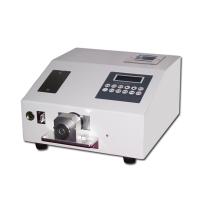
The ISO 2813 standard specifies the method for measuring the specular gloss of films at different geometric angles (20 °, 60 ° and 85 °). The application of this standard can accurately determine the Gloss of paint films in the field of painting and provide a basis for painting quality control.
2. Determination of film Gloss
2.1 Angle selection
The ISO 2813:1994 standard specifies the use of geometric angles of 20 °, 60 ° and 85 ° for film Gloss determination. Different angles are suitable for different types of Coatings. Among them, the 60 ° angle is suitable for all Paints films, but for high Gloss films, 20 ° angle measurement can be used, and for low Gloss films, 85 ° angle measurement can be used.
2.2 Determination principle
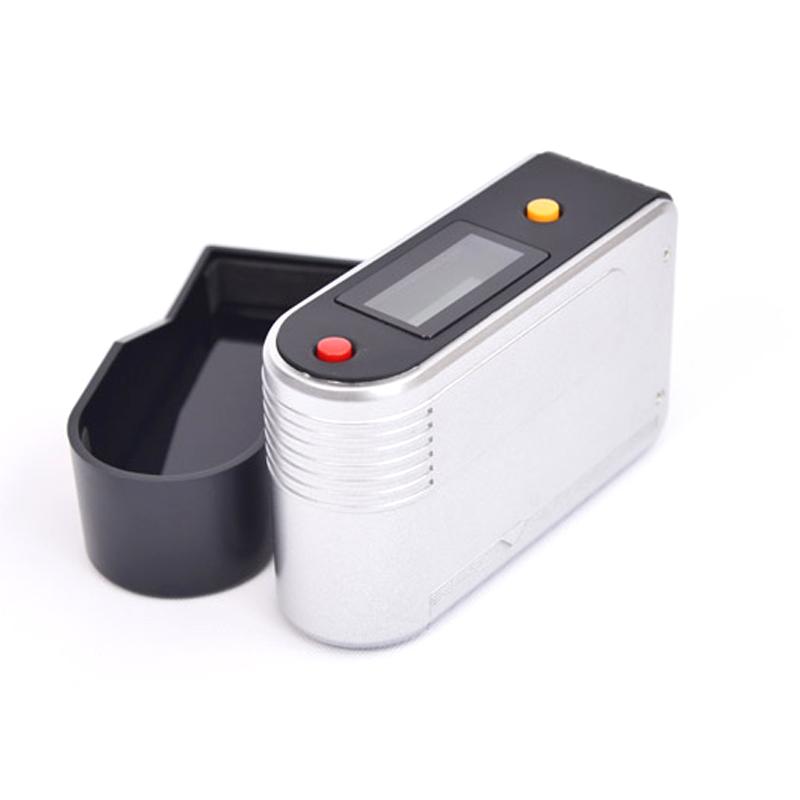
The measurement principle is the same as the Gloss measurement method introduced before, and the photoelectric principle is used to measure the specular reflected light on the surface of the paint film. The Gloss meter obtains the Gloss value of the paint film by measuring the reflected light intensity of the paint film within a certain angle range.
2.3 Operation points
Preparation of the test plate: Use a 150 μm Film Applicator to place the Paints Spreader on a clean Glass plate to ensure that the paint film is flat.
Gloss measurement: three measurements at different positions parallel to the Spreader direction of the test film, using a high Gloss working standard plate calibrating instrument to ensure accuracy. If the error is less than 5 units, record the average value as the Gloss value. Otherwise, perform three more measurements to record the average and limit values of all six values.
Determination of Gloss on Non-Glass substrates: After adjusting the instrument and calibrating, the average and limit values were recorded three times in two right-angled directions on the surface of the sample plate.
Gloss measurement on the surface of the painted test plate: After adjusting the instrument and calibrating, measure it six times in different parts or directions on the painted surface, and record the average and limit values. If the error of the six measurement results is greater than 10 unit values or greater than 20% of the average value, the test plate is discarded.
2.4 Presentation of results
The Gloss unit value at a certain angle is used to represent the Gloss of the paint film.
3. Significance and application
The ISO 2813 standard provides a standardized method for determining film gloss, which can help the painting industry accurately assess film gloss. This has important implications for film quality control and meeting design requirements. This method is suitable for various film types and helps ensure that painting products meet consistent and high-mass requirements in Appearance.
4. Conclusion
The ISO 2813 method for determining the Gloss of paint films provides the painting industry with a reliable means of evaluating the Appearance characteristics of paint films. By measuring the Gloss value at different angles, the Gloss of paint films can be more accurately understood, thereby providing a reliable means of quality control for painting projects. The application of this standard helps to improve the mass and Appearance of products to meet customer needs and expectations.