As an important surface coating, film is designed to protect substrate materials from external environment and mechanical damage. In practical applications, the film must be able to withstand various mechanical Impacts without cracking or peeling. This ability is called impact resistance, which is one of the key performances of the film and directly reflects the flexibility and adhesion of the film to the substrate.
1. Importance of Impact Resistance
Impact resistance is the ability of a film to undergo rapid deformation without cracking or peeling when subjected to external Impact or mechanical action. This performance is very important because in actual use, the film is often subjected to various Impacts, such as impact, vibration, vibration, etc. of objects. If the film lacks sufficient impact resistance, it is prone to problems such as crazing, blistering, peeling, etc., resulting in damage to the film, which in turn affects the protection and decorative effect of the substrate.
2. Impact resistance test method
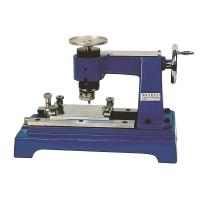
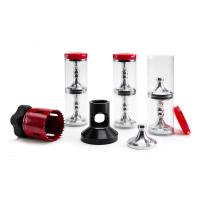
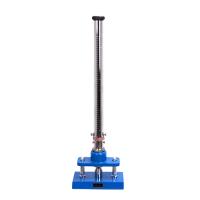
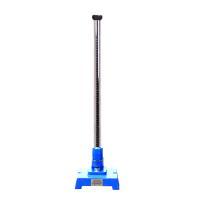
In order to evaluate the impact performance of films, the heavy hammer impact test method is usually used. This test method is to drop a heavy hammer with a certain mass freely, and then record the maximum impact height that the film can withstand without damage. According to the provisions of GB/T 1732-93 "Determination of Impact Resistance of Paint Films", the specific operation steps are as follows:
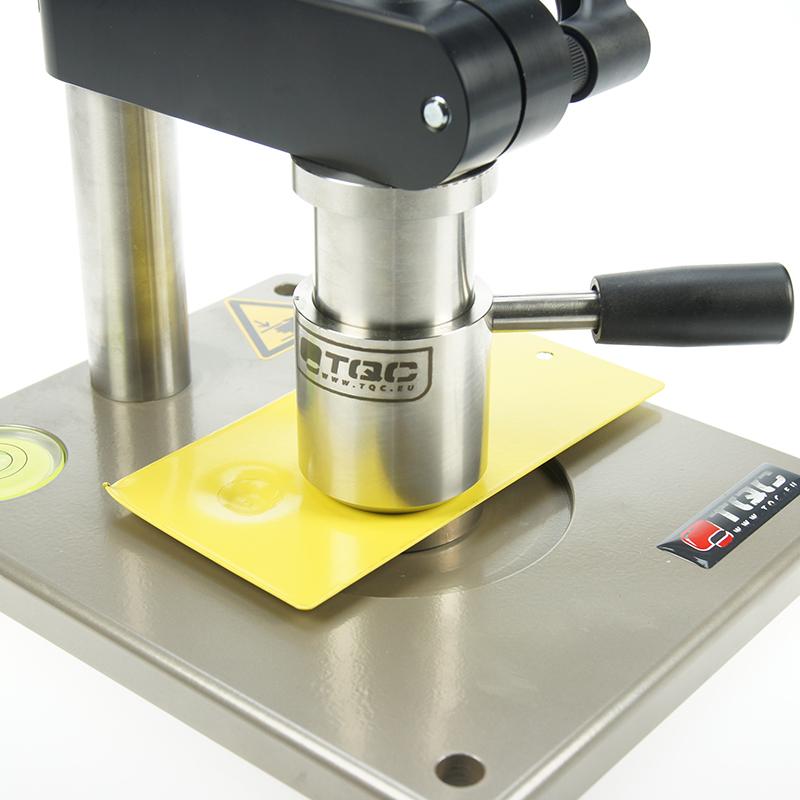
Place the plate film on the iron table of the impact test instrument.
The weight is fixed at a certain height through the control device to control the energy of the Impact.
Press the control button and the weight falls freely on the punch, Impact film template.
Remove the plate and record the maximum height of the film after the weight falls.
Check the plate for crazing, wrinkles or flaking.
Test results are usually expressed in centimeters (cm) or Newton · cm (N · cm). The greater the height, the better the film's Impact performance.
3. Application
Film impact resistance is critical in every Application. Here are some typical applications for film impact resistance:
Automotive Industry - Automotive coatings need to have excellent impact resistance to protect the body from collisions and scratches. The film must be able to withstand the various impacts on the road while maintaining a good Appearance.
Architectural Engineering - The film of a building's exterior-wall needs to have a certain impact resistance to the impact of wind and rain, raindrops and Miscellaneous external factors on its surface.
Electronic Devices - The film on the surface of electronic products must be able to withstand the possible Impacts of daily use by users, such as mobile phones, tablets and laptops.
Industrial Equipment - External coatings for industrial equipment need to withstand Impacts that may occur in the production environment to ensure long-term Reliability.
Aerospace - In aerospace, film must be able to withstand the Impacts of high-speed flight while protecting the exterior surfaces of the vehicle.
Summarize:
Impact resistance is one of the key performances of film, which is directly related to the flexibility and adhesion of film. Impact performance of film can be evaluated through heavy hammer impact test to ensure that it can withstand various mechanical Impacts in actual use without damage. In different Applications, the impact resistance of film is of great significance, and it is an integral part of film protection and decorative functions.