The Coating industry is constantly evolving to meet the needs of various special environments and applications. Among them, heat resistance is a key indicator in Coating technology, which measures the resistance of Coatings under high temperature conditions. Since many Coating products are widely used in places with high temperatures, such as automobile engine compartments, industrial equipment and building structures, the heat resistance of films becomes particularly important.
Importance of heat resistance
One of the main roles of films is to provide protection. They can protect the underlying material from the external environment, including high temperatures. If the coating does not maintain its performance under high temperature conditions, a series of problems can occur, such as bubbles, discoloration, cracking, peeling and other phenomena. This not only damages the Appearance, but also reduces the functionality of the film. For example, coatings used in the engine compartment of a car must be able to withstand high temperatures and heat emitted by the engine to protect the components of the vehicle from damage.
Measuring the heat resistance of films
To evaluate the heat resistance of a film, a device called a blast thermostatic oven or high temperature furnace is usually used. These devices provide a high temperature environment and simulate the high temperature conditions that may be encountered in practical applications. The method of testing is usually performed according to the temperature and time specified by the standards, which can vary according to the specific Application.
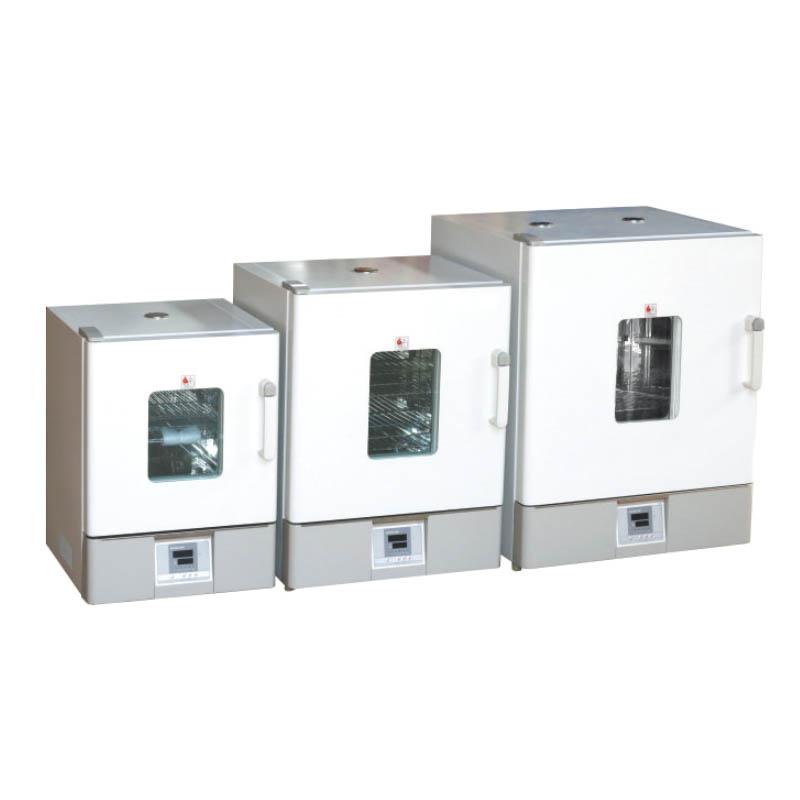
According to GB/T 1735-2009 "Determination of heat resistance of Paints and varnishes", the test process includes the following steps:
Before the experiment starts, it is necessary to prepare three paint samples, which represent the actual application of the coating.
Place the prepative paint sample in a blast thermostatic oven or furnace that has been adjusted to the temperature specified in the product standard.
The sample needs to be kept in a high temperature environment for a certain period of time to simulate the actual use conditions.
After the specified time, remove the sample and let it chill down to room temperature.
Compared with the sample left in advance without high temperature treatment, check whether the film appears layering, wrinkling, bubbling, cracking, discoloration and other phenomena.
According to the state of the film, the test results are expressed as pass and fail.
This testing process accurately evaluates the film's performance at high temperatures to determine whether it meets the requirements of a specific application.
Application
Heat resistance has a broad impact on Coatings Applications. Here are some examples of the main areas:
Automotive Industry
Car engine compartment coatings must have excellent heat resistance to withstand the high temperatures and chemicals produced by the engine. This helps protect the vehicle's Appearance and performance.
Industrial equipment
Industrial equipment usually operates in high temperature environments, so coatings must be resistant to high temperatures and chemical corrosion to ensure long-term stability of the equipment.
Building structure
Some building structures need to be used in high temperature environments, such as chimneys and high temperature pipes. Coatings with good heat resistance can provide additional protection and extend the life of the structure.
The heat resistance of the film is a crucial technical indicator in Coating technology. The performance of the film in high temperature conditions can be accurately evaluated by testing with a blast thermostatic oven or high temperature furnace. In various Applications, the heat resistance of the coating plays a key role, protecting the underlying material from damage in high temperature environments, thereby improving the Reliability and durability of the product. Therefore, both Coating manufacturers and users should pay close attention to the heat resistance of the film and ensure that it meets the requirements of the specific application. Only in this way can the film perform well in high temperature environments and exert its best protective function.

