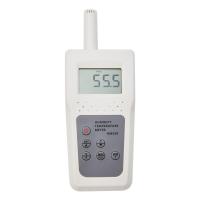
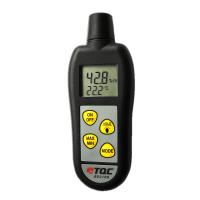
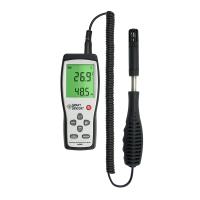
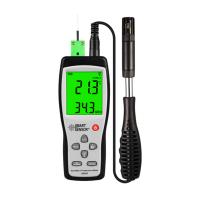
This article will explore the importance of maintaining appropriate temperature and humidity conditions during coating testing and the impact of condition regulation environment. Temperature and humidity are critical to the performance and quality assessment of coatings. This article details the temperature and humidity standard conditions during testing and how condition regulation can be performed. In addition, we will discuss relevant national and international standards to ensure the reliability and accuracy of coating testing.
Effect of Temperature and Humidity on Coating Test
Coatings are indispensable materials in many industrial applications, and their performance and quality play a key role in the final performance and lifespan of a product. Temperature and humidity are one of the factors that affect the performance of coatings, so it is crucial to maintain appropriate temperature and humidity conditions during coating testing.
Temperature Effect: Temperature can affect the fluidity, drying time, and hardening rate of the coating. Controlling the temperature during the test ensures reproducibility and comparability of results.
Humidity Effects: Humidity can affect the viscosity, consistency, and particle dispersion of a coating. Changes in humidity can cause fluctuations in the quality of the coating, so it is important to maintain the appropriate humidity during testing.
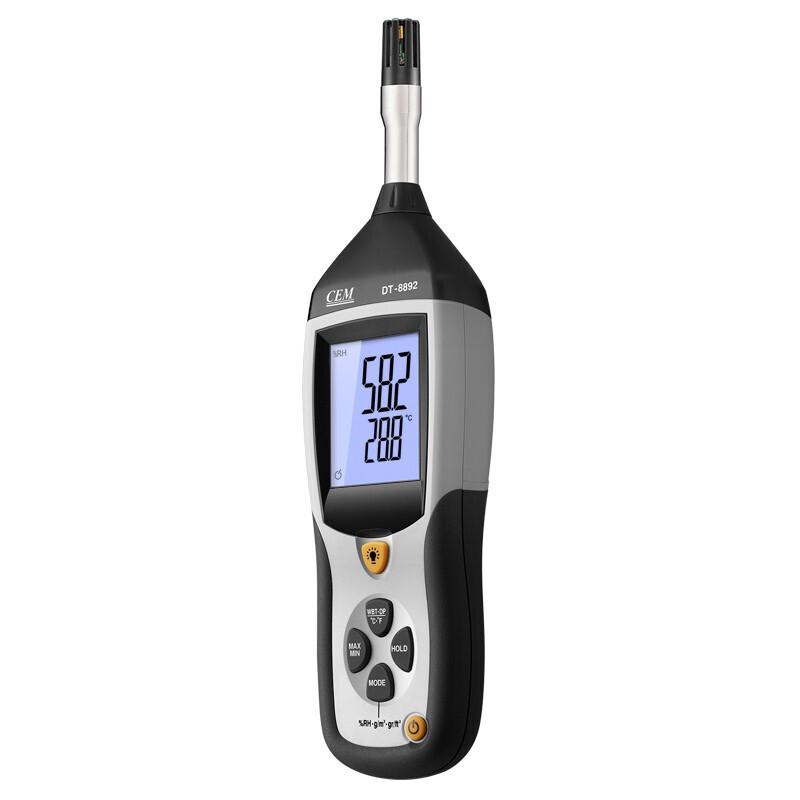
Standard conditions of temperature and humidity
In coating testing, there is a set of standard conditions for controlling temperature and humidity. These conditions typically include:
Standard conditions: The temperature is (23 ± 2) degrees Celsius and the relative humidity is (50 ± 5) %. This is the most common test condition and should be used where possible.
Standard temperature: The temperature is (23 ± 2) degrees Celsius, and the relative humidity is equal to the ambient humidity. For some tests, tighter temperature control may be required, with a maximum control range of no more than ± 0.5 degrees Celsius.
It is important to note that the above standard conditions may be difficult to maintain in some areas, so other conditions may be specified. In this case, the conditions used should be indicated in the test results.
state adjustment
Condition adjustment refers to the process of exposing a sample or specimen to specified temperature and humidity conditions before being tested. The condition adjustment time should be specified according to the specific test method to ensure that the sample is in balance with the environment.
During the condition adjustment process, the specimen and related instruments should be placed in the condition adjustment environment to avoid direct sunlight and keep the environment clean. A sufficient distance between the specimen and the wall of the condition adjustment box should be maintained, at least 20 mm, to ensure air circulation.
result representation
The results of the coating test should be carried out under the same environmental conditions as its condition adjustment. If other conditions are used for the test, the relevant conditions should be clearly indicated in the results to ensure the accuracy and comparability of the results.
reference standard
To ensure the reliability of coating tests, reference should be made to relevant national and international standards. The national standard GB/T 9278-2008 "Temperature and Humidity for Condition Regulation and Testing of Paint Specimens" and the international standard ISO 3270:1984 "Temperature and Humidity for Condition Regulation and Testing of Paints, Varnishes and Their Raw Materials" provide detailed guidelines and regulations to ensure the quality and accuracy of tests.
conclusion
Maintaining proper temperature and humidity conditions is crucial in coating testing as it can affect the performance and quality of the coating. Reproducibility and comparability of test results can be ensured by following standard conditions and condition adjustment processes. Paint manufacturers and researchers should closely follow national and international standards to ensure the accuracy and credibility of their test results.