In industrial applications, coatings play a key role in protecting substrates, providing corrosion protection, wear resistance and beautification. However, when these coatings are applied to high-temperature environments, how their performance is maintained becomes an important consideration. To ensure that the coating can maintain its performance under high temperature conditions, this article will explore a method for evaluating such coatings.
I,The importance of coating
In high-temperature environments, such as steel mills, chemical equipment, or other thermodynamic systems, coatings need to provide effective protection against excessive oxidation, corrosion, and thermal fatigue of steel or other substrates. It is essential to select and evaluate appropriate coatings to ensure long-term, continuous, and effective protection.

II. Details of the assessment method
1. Scope of the test
The purpose of this method is to evaluate the heat resistance of coatings used to protect steel surfaces at high temperatures. Two test methods are included: Method A is primarily for coatings used internally, and Method B is for coatings used externally.
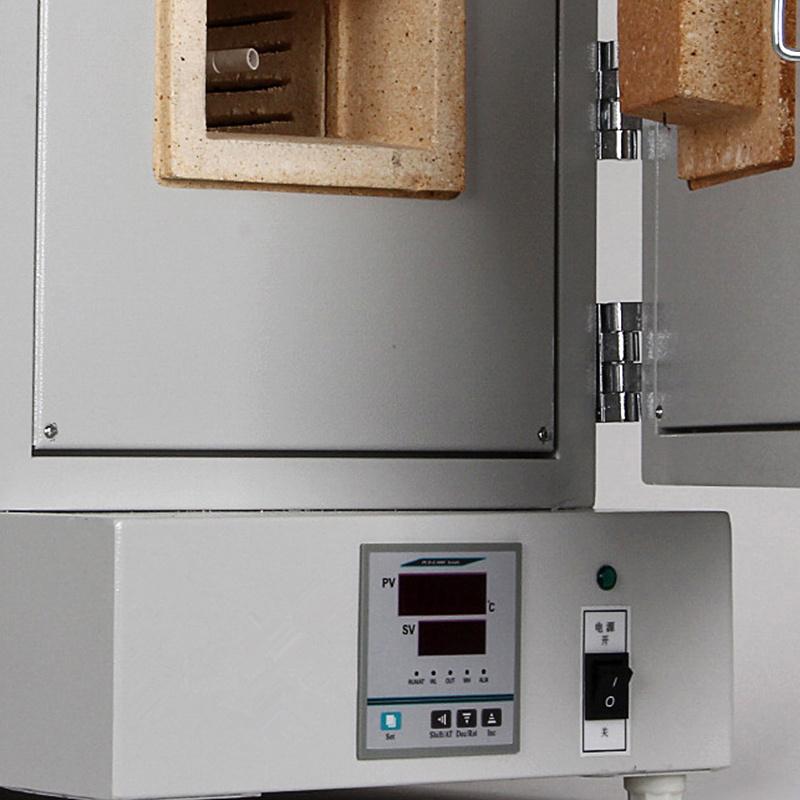
2. Method A: Muffle furnace test
Steps:
The sample coated with the test material is placed in a muffle furnace.
Choose the temperature of the muffle furnace, which requires the mutual negotiation and consent of both the buyer and the seller.
Keep warm for 24 hours.
After the heat preservation is completed, a sample plate is placed in water for cooling, and the remaining sample plates are cooled externally.
Axial bending tests were performed on the cooled samples to evaluate their mechanical properties.
3. Method B: Temperature rise and fall and environmental exposure test
Steps:
The temperature of the sample coated with the test material was gradually increased from 205 ℃ to 425 ℃.
Select a sample and place it in a salt spray box for 24 hours to simulate a corrosive environment.
The other sample was exposed to sunlight for 12 months to simulate the natural environment.
4. Evaluation and results
After going through the above two test methods, the sample needs to be inspected in detail, focusing on the following points:
Rust condition
Bubbling phenomenon
Decreased adhesion
Loss of light
degree of chalking
III. Application and significance
This testing method provides coating manufacturers, equipment manufacturers, and end users with an effective way to evaluate the performance of coatings at high temperatures. Ensuring the high temperature performance of the coating not only helps to extend the service life of the equipment, but also reduces maintenance costs and potential downtime.
IV. Conclusion
The high-temperature environment places special demands on the performance of coatings, and the evaluation method described in this paper provides a fast and effective evaluation method for related industries. With the development of science and technology and the emergence of new materials, the demand and application of high-temperature coatings will continue to grow, so it is essential to have a scientific and rigorous evaluation method.
