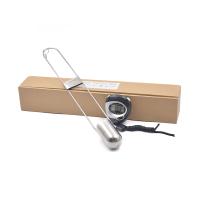
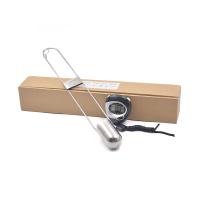
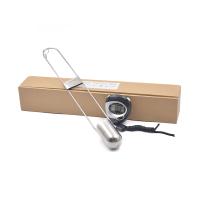
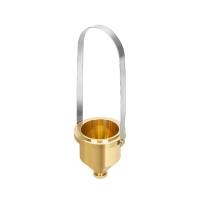
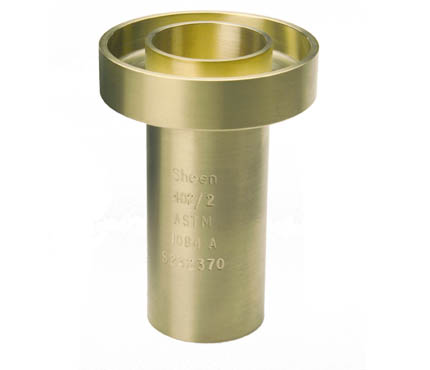
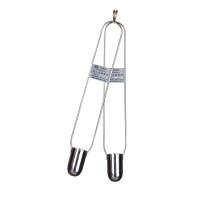
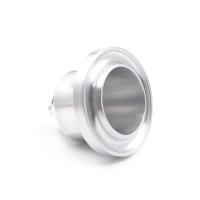
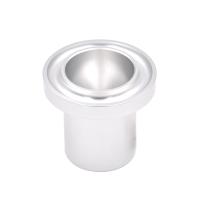
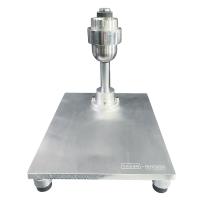
The Viscosity Cup is an important laboratory and production site tool used to measure the viscosity of liquids such as coatings, paints, inks, etc. They are divided into various types according to different designs and usage occasions, including Tu-4 cups, ISO outFlow Cups, JIS Iwata cups, ZAHN cups, Ford cups, etc. This article will provide a detailed introduction to these Viscosity Cups and provide a selection guide.
How the Viscosity Cup works
The Viscosity Cup uses the principle of gravity to calculate the time it takes for the fluid to flow out of the aperture of a specified size to measure viscosity. Viscosity represents the internal resistance of a liquid to flow and reflects how thick or thin the paint is. Accurate measurement of viscosity is critical to ensuring the quality and performance of coatings, paints and other materials.
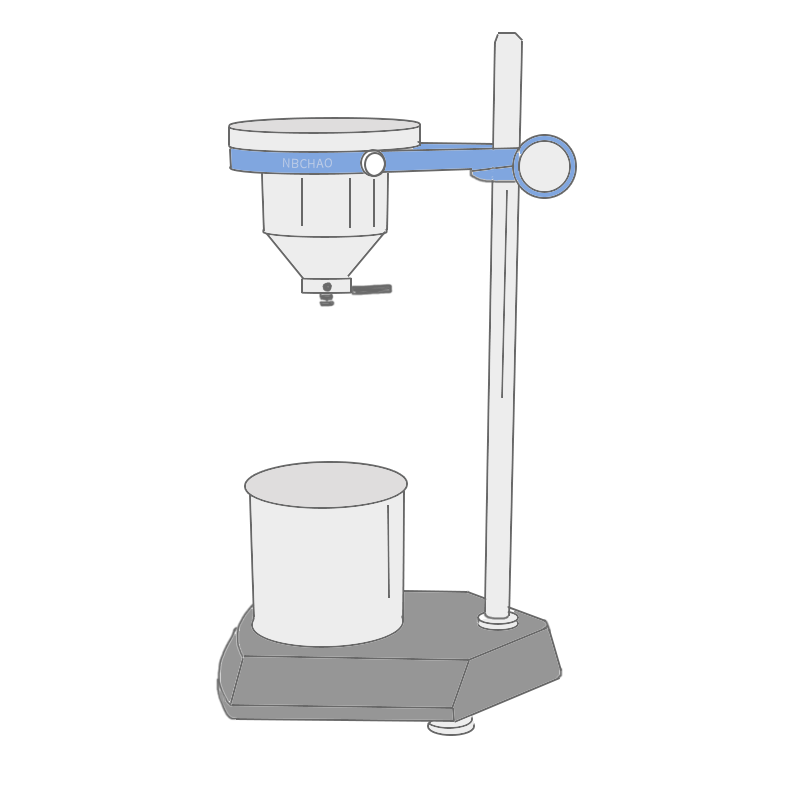
Introduction to various Viscosity Cups
Tu-4 cups: designed in accordance with national standard GB/T1723, widely used in laboratories or production sites in the coating, paint, and ink industries. It is characterized by a container with a cylindrical upper part and a conical lower part, with a capacity of 100mL and a standard 4mm stainless steel spout at the bottom.
ISO outFlow Cup: designed according to ISO 2431-1993 and GB/T 6753.4-98, applicable to international standards, used to measure the outflow time of Newtonian or approximately Newtonian liquids.
JIS Iwata Cup: Designed according to Japanese JIS standards, it is mainly used for on-site rapid measurement in the electronic products and plastic coating industries.
ZAHN cup: designed according to ASTM D4212-93, suitable for viscosity measurement of Newtonian or nearly Newtonian liquids, commonly used in workshops, factories and laboratories.
Ford Cup: Designed according to ASTM D1200 standard, its function and usage are the same as other Viscosity Cups. It is commonly used in the paint and paint industry.
Selection guide
When selecting a Viscosity Cup, the following factors should be considered:
Viscosity Cup Type
Determine whether you need a Tu-4 cup, ISO outFlow Cup, JIS Iwata cup, etc., based on the application scenario and required accuracy.
Shape and material
Choose a handheld or desktop Viscosity Cup according to the application environment (laboratory or production site), and consider the cup body material (such as stainless steel, aluminum).
Maximum viscosity value
Choose a cup that meets the viscosity range of the liquid being tested.
Orifice diameter
Select the appropriate outflow hole size based on the viscosity of the liquid.
Applicable standards
Ensure the Viscosity Cup complies with required industry standards such as ISO, ASTM, etc.
tolerance scope
Choose an error range based on your accuracy needs and consider whether a calibration certificate is required.
in conclusion
Viscosity cups are indispensable tools for coatings, paints, inks and other industries. Choosing the right Viscosity Cup can not only ensure product quality, but also improve work efficiency. With the above guide, you can better understand and choose the right Viscosity Cup for your needs.