Stone chip resistance of paint film and its test
The stone impact resistance of a paint film is to evaluate the damage resistance of the coating under high-speed sand and stone impact, which is of great significance especially in the field of automotive painting. This test method simulates the impact of sand and gravel on the coating while the car is driving, providing key data on the damage resistance of the coating. This article will introduce the concept of stone chip resistance testing, test methods and the importance of these methods in coating evaluation.
The concept of stone chip resistance
The stone impact resistance of a paint film refers to the damage resistance of the paint film under the impact of high-speed sand and gravel. During driving, gravel on the road may cause mechanical impact to the vehicle coating, so evaluating the stone impact resistance of the coating is critical to ensuring the durability and appearance of the coating. Good stone chip resistance means that the coating maintains its integrity under the impact of sand and gravel, thus reducing damage and maintenance costs.
Stone chip resistance test method
The stone impact resistance test method mainly simulates the car being hit by gravel while driving at high speed.
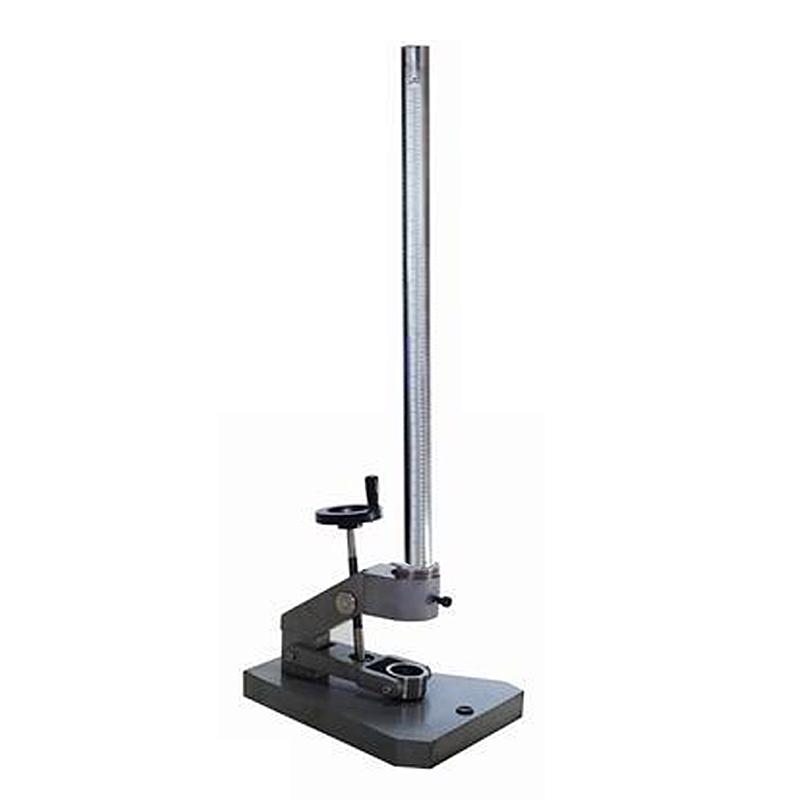
Case. In a common testing method, steel sand with a particle size of 4 to 5 mm is used, and compressed air is used to impact the sand particles on the surface of the test sample at high speed. The amount of steel sand sprayed each time is 500g, the pressure is 2MPa, and repeated twice. Afterwards, tape is applied and the loose paint film is peeled off and the damage is compared with standard pictures. The damage is graded according to the degree of damage, with level 0 being the recommended level and level 10 being the worst.
Another test method stipulates the use of larger gravel, with the size of the gravel ranging from 9.6 to 16 mm, and spraying the gravel through compressed air to simulate high-speed sand and gravel impact. This method can also provide quantitative test data for the stone chip resistance of the coating film.
The significance of stone impact resistance test
Stone chip resistance testing is of great importance in coating evaluation. Automotive coatings need to be able to withstand the impact of sand and gravel from the road surface to maintain the beauty of the appearance and the integrity of the coating film. Stone chip resistance test results can help manufacturers choose the appropriate coating type to ensure the service life of the car in various environments.
Summarize
Stone chip resistance testing is a key coating evaluation method that simulates the mechanical impact of sand and stone impact on the coating. The results of the stone chip resistance test can provide strong support for the selection, application and performance evaluation of automotive coatings, ensuring that the coating can remain intact and reduce damage during high-speed driving. Excellent stone chip resistance helps extend the life of automotive coatings and improves coating quality and durability.