During the coating construction process, what we pursue is the natural flow of the wet coating film to get rid of the trouble of paint marks, which leads to the important performance index of leveling. Leveling is closely related to factors such as the viscosity of the paint, surface tension, and the solvent used. In order to improve the leveling, the coating industry uses a special substance - a leveling agent. This article will take an in-depth look at the types of leveling agents, their applications in different types of coatings, and how they are evaluated to reveal their key role in the coating field.
Types of leveling agents
Silicone Oil
Silicone oil is a common leveling agent, which facilitates construction by effectively improving the leveling and uniformity of paint.
Organosiloxane Resin
Silicone resins are another common leveling agent that have excellent wetting properties, helping coatings better wet the substrate surface.
Acrylic Copolymer
Acrylic copolymers act as leveling agents and help improve the flow of paint.
Leveling agents in solvent-based coatings
In solvent-based coatings, high-boiling point solvents or butyl cellulose can be used to adjust the evaporation rate, extend the leveling time, and better control the flatness and density of the coating film.
Leveling agents in water-based coatings
Water-based coatings typically use a mixture of water and ethylene glycol monobutyl ether as the solvent. In water-dispersed paints, such as latex paints, leveling agents such as ethylene glycol monobutyl ether and 3,3-dimethyl-1,3-dihydroxypentyl ester are used.
Leveling agents in powder coatings
There are many types of powder coatings, including polyurethane, acrylic, epoxy, etc. Since the film-forming mechanism of powder coatings has nothing to do with solvent evaporation, the leveling properties are mainly determined by the wettability of the film-forming substances to the substrate. The addition of wetting agents helps to improve this performance. Commonly used wetting agents include copolymers of high-grade acrylates and low-grade acrylates, epoxidized soybean oil and hydrogenated rosin alcohol.
Leveling evaluation method
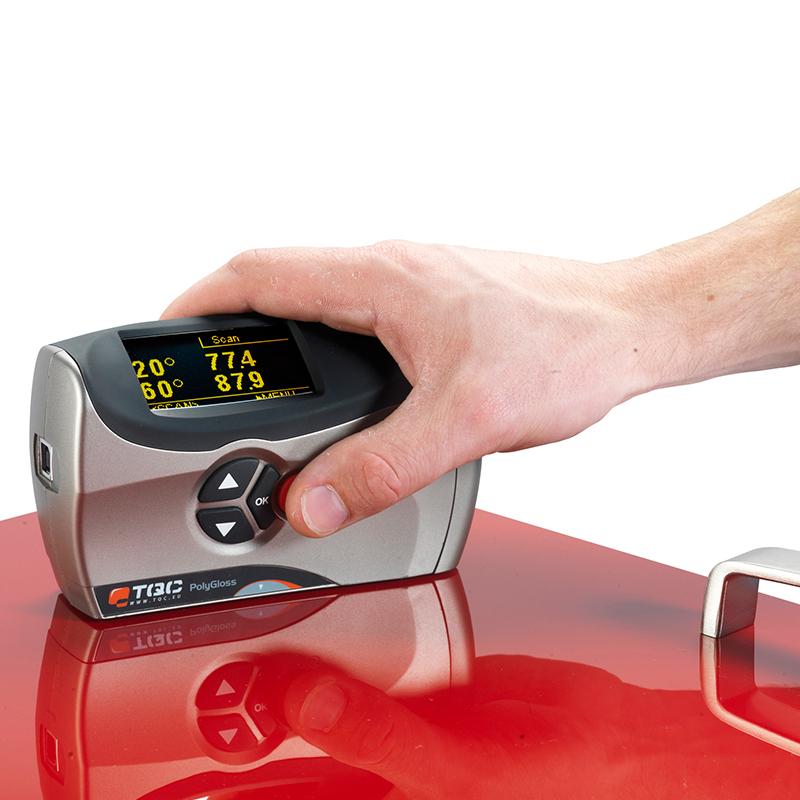
In the Chinese national standard, leveling is usually evaluated by the time required for the coating film to recover or reach a uniform and smooth surface. If the coating film is level within 10 minutes, then the leveling property is considered good. In the American ASTM testing standards, the leveling properties of white and light-colored coatings are evaluated by the number of scraped parallel strips of coating that completely and partially flow together. It is usually expressed by levels 0 to 10, with level 10 indicating Completely leveling, level 0 is the worst.
Through these evaluation methods, we can more intuitively understand the leveling performance of the coating during the construction process, and provide guidance for the improvement of the coating process.
The key role of leveling agents
To sum up, leveling agent, as one of the key factors in the coating industry, plays the following important roles:
Improve paint fluidity
Leveling agents can effectively reduce the tension on the paint surface, allowing it to flow more easily, resulting in smoother operation during the application process.
Improve coating uniformity
By reducing unevenness on the paint surface, leveling agents help ensure the smoothness of the paint film, making the final paint finish more aesthetically pleasing.
Optimize painting effect
The selection and use of leveling agents can optimize the performance of coatings to better meet the needs of specific application areas, such as interior coatings, automotive painting, etc.
Support innovation and development in all walks of life
By meeting the needs of different industries for coating performance, leveling agents provide necessary support for innovation and development in various industries. Whether it is environmentally friendly coatings in the construction field or high-temperature coatings in automobile manufacturing, they are inseparable from the fine control of leveling agents.
Conclusion
In the coating industry, the application of leveling agents is to achieve better coating effects during the construction process. By choosing the right type of leveling agent, we can effectively improve the fluidity and uniformity of the paint, thereby improving the overall performance of the paint. At the same time, the continuous improvement of leveling evaluation methods also provides a more scientific and accurate means for controlling the coating process. The continuous innovation and development of coating leveling agents will bring more possibilities to the coating field and push the entire coatings industry to a higher level.