In the mechanical properties of metal materials, the strain hardening index (n-value) and the plastic strain ratio (r-value) are the core indicators for evaluating the formability and mechanical properties of materials. Both are calculated by tensile test data, which directly reflect the hardening law and anisotropy characteristics of the plastic deformation of the material, and have important engineering guiding significance for material selection, forming process design, product quality control and service safety evaluation, and are the key link connecting material properties and practical applications.
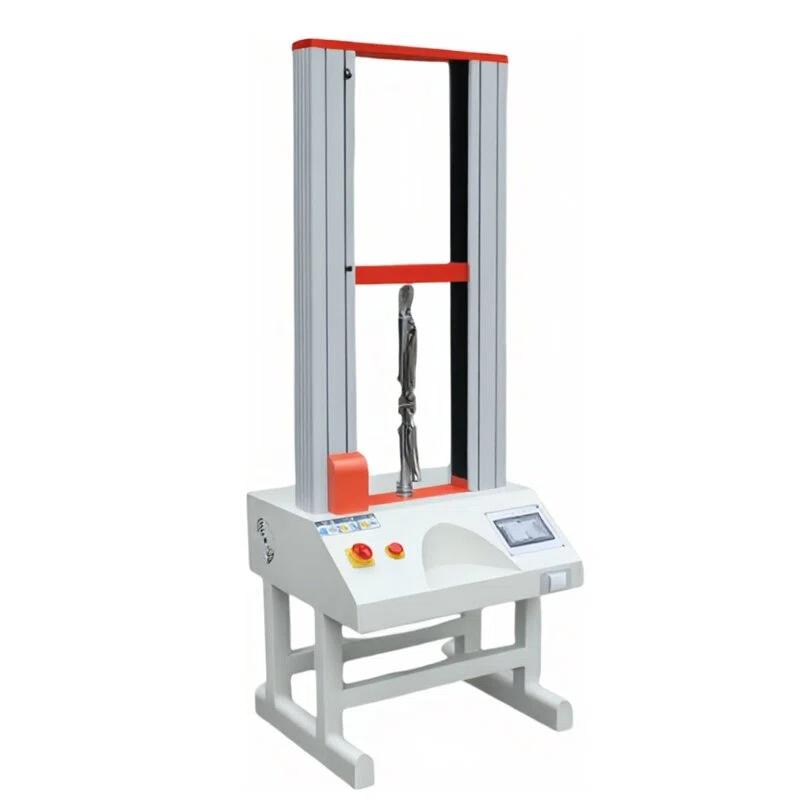
The strain hardening index (n-value), also known as the work hardening index, characterizes the ability to resist further deformation in the plastic deformation of metal materials, which is essentially the strength increase caused by dislocation proliferation and motion obstruction, and the value range is usually 0~1, and the larger the n value, the stronger the strain hardening ability and the faster the strength growth. The stress-strain curve is obtained through tensile test, combined with the calculation of the relationship between plastic stage data and power function, to accurately reflect the hardening behavior of the material from yield to fracture.
The core significance of n-value testing is reflected in both forming and performance optimization. High n value materials are not easy to local neck fracture when deformed, can withstand a larger amount of deformation, suitable for deep drawing, drawing and other complex forming processes, can improve the accuracy and surface quality of formed parts, and reduce the scrap rate, such as deep drawing steel plates need high n value to ensure uniform stress distribution. At the same time, the n-value can evaluate the rationality of the structural structure of the material, adjust the alloy composition and heat treatment process to adjust the n-value, realize the matching of strength and plasticity, and predict the service life.
The plastic strain ratio (r-value), also known as the thick isotropy coefficient, is the ratio of the transverse to thick plastic strain during unidirectional stretching, reflecting the degree of anisotropy of the material. The closer the r-value is to 1, the weaker the anisotropy and the more uniform the deformation. When the R value is > 1, it is easy to deform laterally and not easy to thin the thickness, and it is suitable for deep-drawn parts; When the r-value is <1, the thickness is easy to thin and neck occurs. The test measures the dimensional changes in the transverse and thick dimensions of the specimen by tensile test, and calculates the R-values in different directions to evaluate the anisotropy.
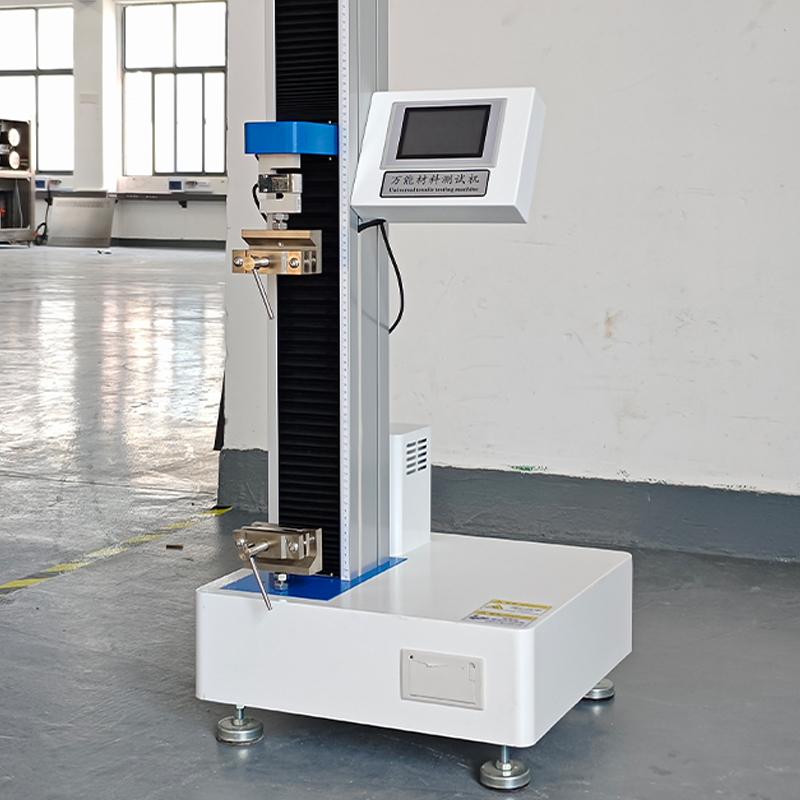
R-value testing mainly serves the forming process adaptation and quality control. In sheet metal forming, R-value uniformity is the key to stable production, such as the need for high and uniform R-value for automobile covering sheets to avoid stretching, wrinkling, and cracking. When selecting, it can be combined with R-value matching materials to reduce the cost of process debugging. At the same time, by improving the rolling and heat treatment processes, the material texture distribution can be improved, the R-value can be adjusted, and the forming performance can be improved.
The n-value and the r-value complement each other to jointly determine the plastic forming ability and service reliability of the material. The two test methods are simple and low-cost, and are widely used in the fields of metal material production and inspection, scientific research and development, and engineering, providing a scientific basis for the rational application and performance improvement of materials.
In summary, n-value and r-value testing is an important means to understand the plastic deformation characteristics of metal materials, and its results can provide direct guidance for material selection and process design, provide support for performance optimization, quality control and service safety, and have irreplaceable application value in machinery manufacturing, automobiles, aerospace and other fields.