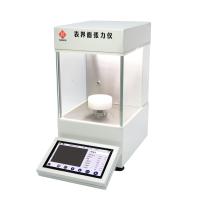
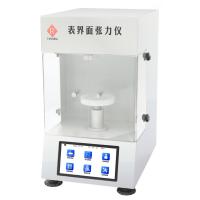
A Surface Tensiometer is an important device used to measure the tension of liquids at solid or liquid interfaces. However, there are several factors to consider when choosing the right Surface Tensiometer. The following is a detailed introduction to the Surface Tensiometer selection guide.
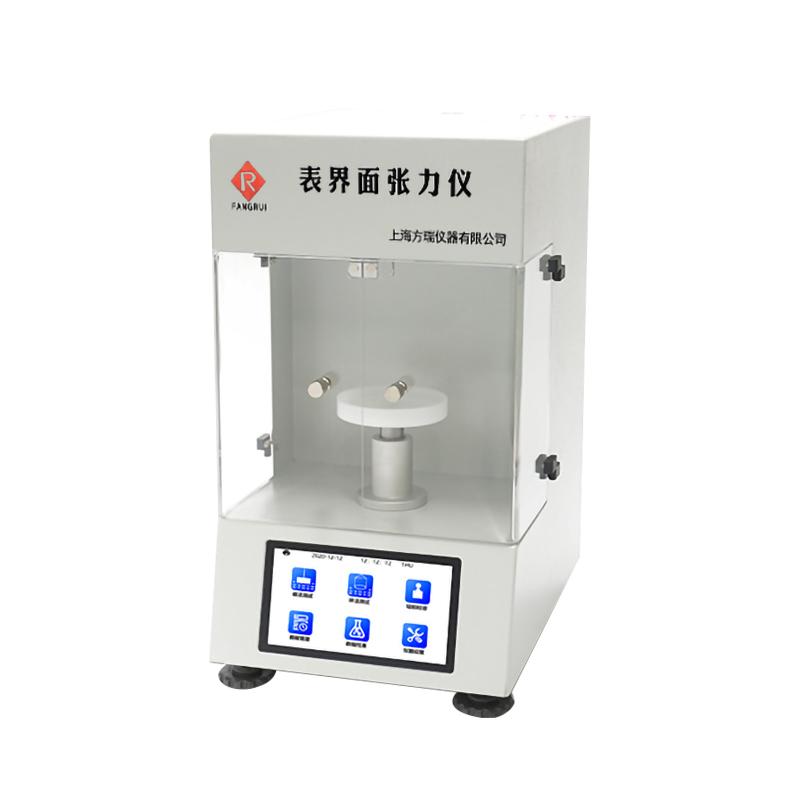
First, for the selection of surface tension measurement methods, we need to consider the applicability and accuracy of different methods. At present, common measurement methods include Du Noüy ring method, Wilhelmy plate method, hanging drop method and falling drop method. For the measurement of interfacial tension between two immiscible liquids, the hanging drop method and the falling drop method are more commonly used methods. These two methods can effectively measure the interfacial tension when the liquid density difference is large, especially the ultra-low interfacial tension can be measured by the rotating hanging drop method or the pendant drop method.
Secondly, different measurement methods are suitable for different sample types. For example, for high-viscosity samples, the traditional Wilhelmy plate method and Du Noüy ring method are not applicable, but the improved Wilhelmy plate method can measure samples with high viscosity up to 10,000CP.s. In addition, for samples containing surfactants, the traditional measurement method may cause high measurement results due to the influence of the generated Langmuir monolayer, while the improved measurement method can better measure the surface tension of such samples. It is necessary to understand and distinguish the sample characteristics involved in different measurement methods in detail. For example, for high-viscosity samples, make sure that the instrument you purchase can adapt to and accurately measure the surface tension of such samples to avoid errors in measurement results. For samples containing surfactants, taking into account the influence of Langmuir monolayer, it is necessary to choose a method that can accurately measure the surface tension of such samples.
When choosing a Surface Tensiometer, you also need to consider experimental accuracy and budget. For high viscosity samples, it is recommended to choose a Surface Tensiometer based on the modified Wilhelmy plate method or the optical pendant drop method to obtain more accurate measurement results. For the measurement of surfactants, it is recommended to choose a measurement method that can adapt to long-term adsorption to obtain more reliable results. In addition, for the measurement of different sample types, some methods may require larger sample volumes, and special attention needs to be paid to selecting suitable equipment. Instruments manufactured by different manufacturers may have differences in quality and accuracy, and prices may also vary greatly. Therefore, when considering the budget, you need to weigh the experimental needs and equipment performance to choose an instrument that fits within the budget range and can meet the experimental requirements.
Choosing the right Surface Tensiometer requires consideration of a variety of factors, including suitability of the measurement method, sample type, experimental accuracy, and budget. Only by comprehensively considering these factors based on actual needs and sample characteristics can a suitable Surface Tensiometer be purchased to ensure accurate and reliable measurement of the surface tension of different samples.