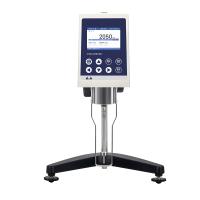
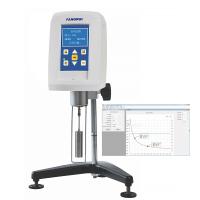
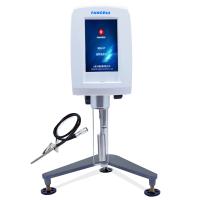
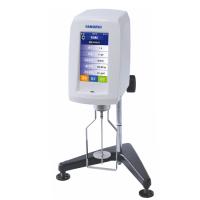
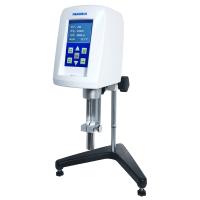
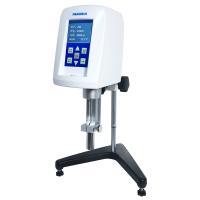
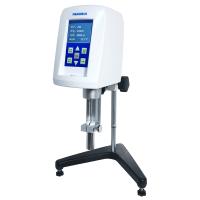
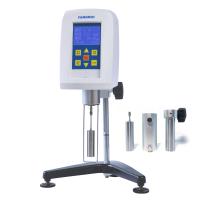
Measuring viscosity is critical to a product's rheological behavior, stability and operability, so viscosity measurements have important guiding value in predicting process control and transportability of a product during use. By measuring the rheological properties of the sample, the Rotational Viscometer provides a sensitive and convenient detection method for other product characteristics such as color, density, stability, solid content and molecular weight changes. When choosing a Rotational Viscometer, here are some suggestions:
Sample characteristics
Depending on the sample supply volume, such as 8-13mL, an SSR small sample adapter can be used.
For sample viscosities below 15cP, select the ULR ultra-low viscosity adapter.
Standard solution
It is recommended to choose a viscosity standard liquid based on the selected model, common viscosity range and measurement temperature. After opening, it is recommended to keep it clean, cool and dry, avoid direct sunlight, and reduce prolonged contact with air.
model
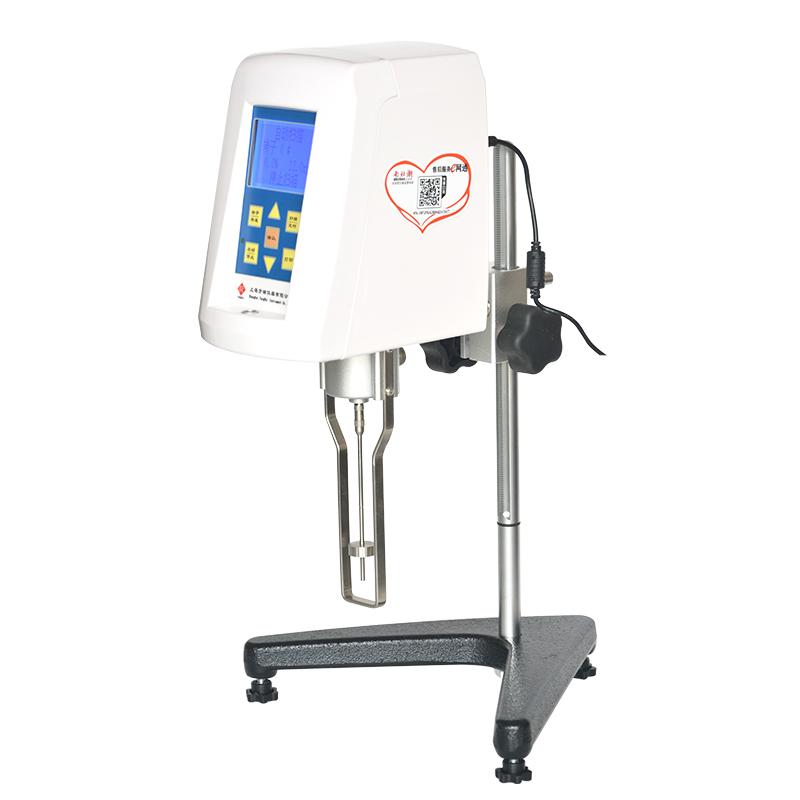
For laboratory quality control, a basic viscometer is available. According to the specific characteristics of the liquid and the expected viscosity range, select the corresponding model model and number of rotors. Each model has a specific scope of application, ranging from low-viscosity solvent-based adhesives to high-viscosity asphalt, clay and other different substances. Touch screen viscometer can be considered for product development. When comparing data from upstream and downstream suppliers, make selections based on actual measurement conditions.
Measuring range
Different models of viscometer are divided into four types according to the measuring range: LV (low viscosity), RV (medium viscosity), HA and HB (high viscosity). These models correspond to low, medium and high viscosity ranges respectively. Choose the appropriate machine model and number of rotors to accommodate different viscosities of liquids. The viscosity measurement range of each model can be determined according to the number of optional rotors.
temperature control
In the medium temperature range (-20°C~95°C) it is recommended to use a constant temperature bath for temperature control. For high temperature range (100°C~250°C), NKY-25 electric heater can be selected for temperature control. Temperature has a great impact on viscosity, so temperature control needs to be considered when selecting. The medium temperature range (-20°C95°C) can use a constant temperature bath, while the high temperature range (100°C250°C) can choose the NKY-25 electric heater for precise temperature control.
Shopping advice
LV type (low viscosity) is suitable for solvent-based adhesives, latex, biochemical preparations, oil, petroleum, chemical reagents, coatings, cosmetics, etc.
RV type (medium viscosity) is suitable for hot melt adhesive, paint, asphalt, paper pulp, ceramic pulp, organic solvents, cream, plastisol, daily cosmetics, starch, food, surface coatings, etc.
HA/HB type (high viscosity) is suitable for asphalt, clay, leak plugging agent, peanut butter, chocolate, putty, marl, epoxy resin, waterproofing agent, gel, sealant, sheet molding compound, syrup, tar, etc.