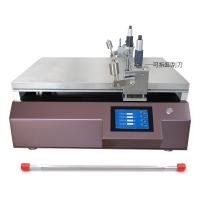
The preparation of high-temperature resistant varnish coatings is an important technology, especially in applications that need to withstand high-temperature environments, such as automotive engine compartments, oven interior coatings, etc. This article will describe methods for preparing single-layer and composite paint film coatings and the procedures for testing and characterizing their performance.
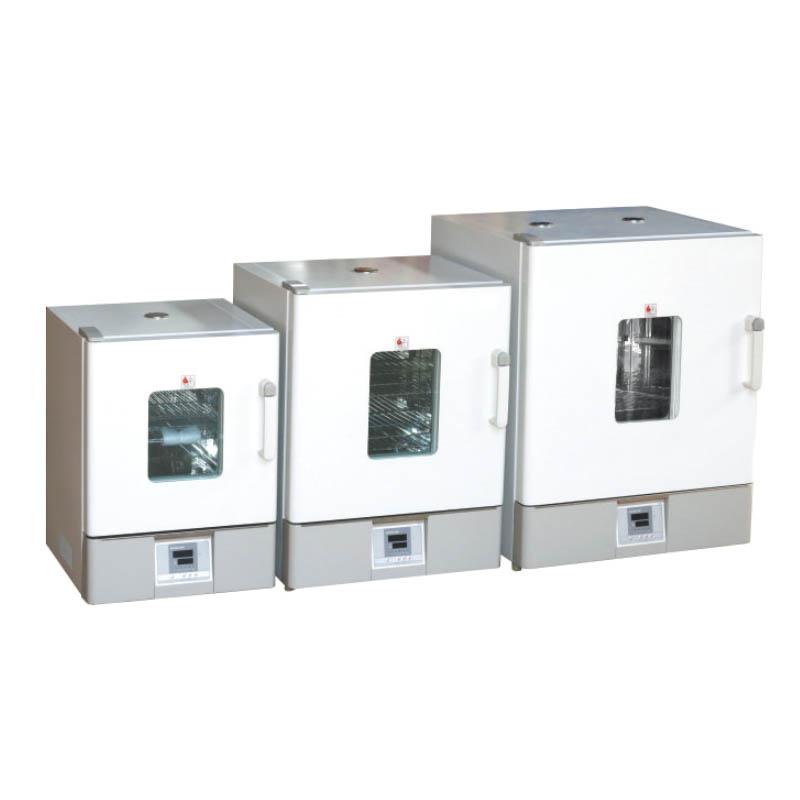
First, for the preparation of a single-layer paint film coating, we first wiped the slide with absolute ethanol and dried it in an oven to ensure that the surface was clean and dry. Then, apply an appropriate amount of varnish on the treated glass slide, use a Film Applicator to keep the wet film thickness at μ, put the coated glass slide into a constant temperature Drying Oven, cure under certain conditions, and finally take it out and cool to room temperature.
For the preparation of the composite paint film coating, we also apply an appropriate amount of varnish on a clean glass slide. The thickness of each wet film layer should also be maintained at μ, and then solidify and cool once, and then repeat the steps of coating and curing. until the desired composite coating is obtained. The experiments described in this article used different resin systems, including polyurethane, epoxy, polyurethane-modified silicone, epoxy-modified silicone, pure silicone, and polyester-modified silicone. Each resin system has a different cure Conditions such as temperature and time.
Next, we performed a series of performance tests and characterization of these coatings. These tests include paint film adhesion test, paint film hardness test, paint film water resistance test, paint film acid and alkali resistance test, paint film resistance to acetone wipe resistance test, paint film resistance to etching liquid performance test, paint film heat resistance test and paint film color difference testing. These test methods help us evaluate various coating properties such as adhesion, hardness, chemical resistance, heat resistance, and color stability.
These coating film properties are often evaluated using different testing methods and instruments. The following is a brief description of each performance test and the instruments that may be used:
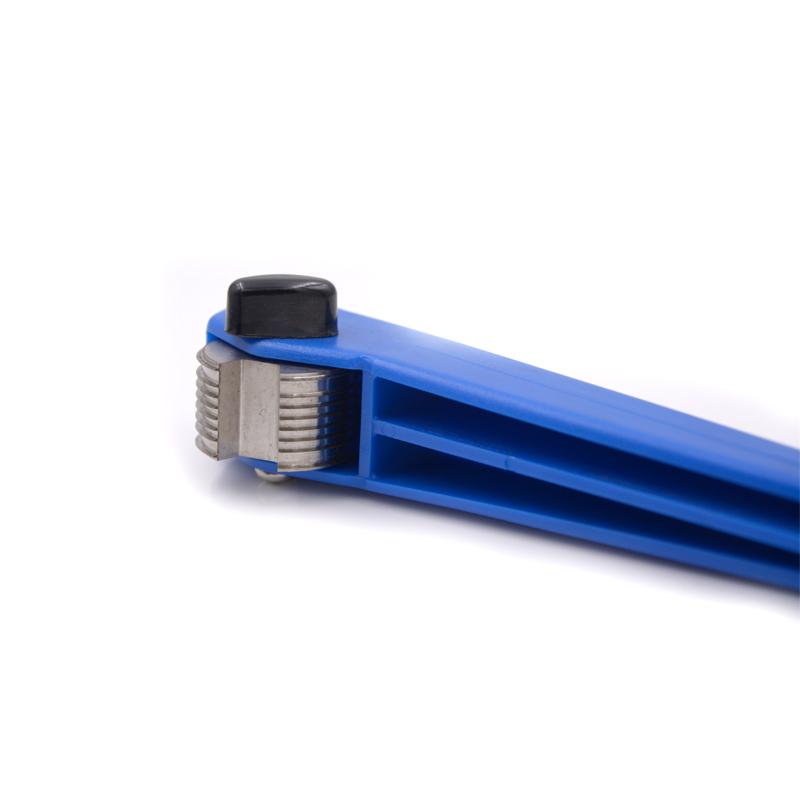
Adhesion test
Paint film adhesion testing is usually performed using the crosshatch and tape peeling methods. In the test, a cross-shaped grid was first scored on the paint film, then transparent tape was pasted on the paint film, and then quickly peeled off. This test is designed to evaluate the adhesion between the paint film and the substrate.
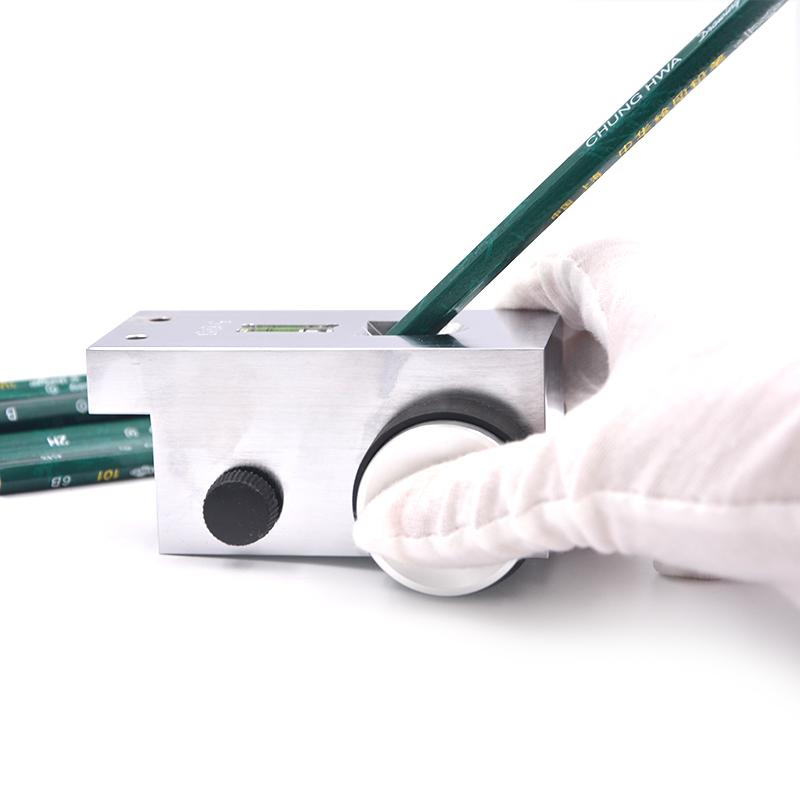
Hardness Testing
Paint film hardness testing is usually performed using a pencil Hardness Tester. Testers use pencil leads of different hardnesses to scratch the surface of the paint film and evaluate its hardness based on the hardness level that the paint film can withstand.
Water resistance test
The water resistance of paint films is usually tested using the water immersion test method and the boiling water immersion test method. These test methods are designed to evaluate the ability of a paint film to withstand wet conditions. Paint film samples are usually soaked in water or boiling water for a period of time, and then observed to see if there is loss of gloss, bubbling, discoloration or peeling of the paint film.
Acid and alkali resistance test
The acid and alkali resistance test of the paint film includes various testing methods such as immersion method, absorbent medium method and dripping method. These test methods are designed to evaluate the resistance of the paint film to acidic or alkaline environments and to observe whether the paint film loses gloss, blisters, discolors or peels off.
Acetone wipe resistance test
The acetone wiping resistance test of the paint film is carried out by wiping an acetone-impregnated cloth on the paint film. The test is designed to evaluate whether the paint film softens, changes color or peels when exposed to acetone.
Etching liquid resistance performance test
The immersion method is usually used to test the resistance of paint films to etching solutions. The paint film sample is soaked in the etching solution for a period of time, and then the paint film is observed for loss of gloss, bubbling, discoloration or peeling.
Heat resistance test
The heat resistance test of paint films usually involves placing paint film samples under high temperature conditions, and then observing whether cracks, blistering, discoloration, etc. occur. These tests can be performed using instruments such as thermogravimetric analyzers and differential scanning calorimetry.
Paint film color difference test
Paint film color difference testing is usually performed using a Colorimeter. The Colorimeter can measure the color and color difference of the paint film, including parameters such as color brightness, saturation and hue, to evaluate the color stability and any possible changes of the paint film.
Fourier Transform Infrared (FTIR) Testing
FTIR spectrometer is used to analyze the chemical components and functional groups in the paint film. By observing the FTIR spectrum, the chemical properties and composition of the paint film can be understood.
Thermal weight loss (TGA) test
Thermal weight loss analyzer is used to measure the mass loss of the paint film during the heating process to evaluate the thermal stability of the paint film.
Differential Scanning Calorimetry (DSC) Testing
DSC is used to determine the glass transition temperature of a paint film, which is the physical change that occurs in a paint film as it heats up. This can help evaluate the thermal performance of the paint film.
Scanning Electron Microscope (SEM) Testing
SEM is used to observe the micromorphology of the paint film surface, including surface structure and particle distribution. This helps evaluate the surface quality and uniformity of the paint film.
All in all, the preparation of high-temperature resistant varnish coatings is a complex and important task, involving the selection of different resin systems and the control of curing conditions. By conducting detailed performance testing and characterization of these coatings, we can better understand how they perform in high-temperature environments and provide high-quality coating protection for a variety of applications.