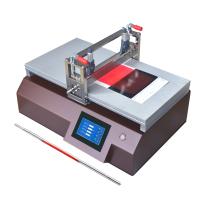
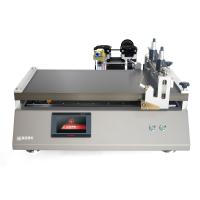
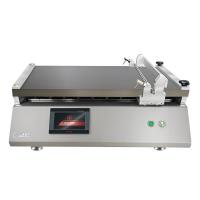
In the field of battery technology, electrode preparation and battery assembly are one of the key steps that determine battery performance. This article will introduce in detail the application of film coating machines in active material coating, electrode preparation and battery assembly processes, as well as the preparation process of related composite materials.
1. Preparation and coating of active substances
First, the synthesized active material is mixed with carbon black and polyvinylidene fluoride (PVDF) in specific proportions in a mortar. Specifically, after the composite material is dry-ground for 10-15 minutes at a certain mass ratio, an appropriate amount of N-methylpyrrolidone (NMP) solvent is added, and the grinding is continued until a uniform and viscous slurry is obtained. This step ensures that the active material can be evenly distributed on the electrode surface during coating.
2. Preparation of electrode sheets
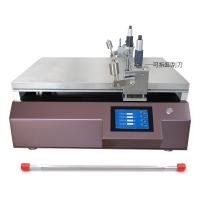
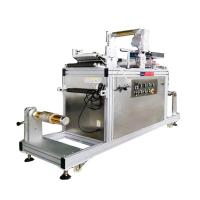
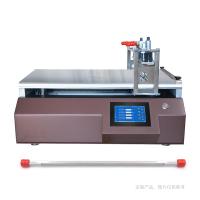
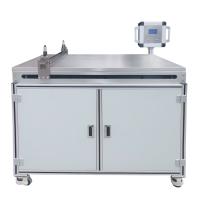
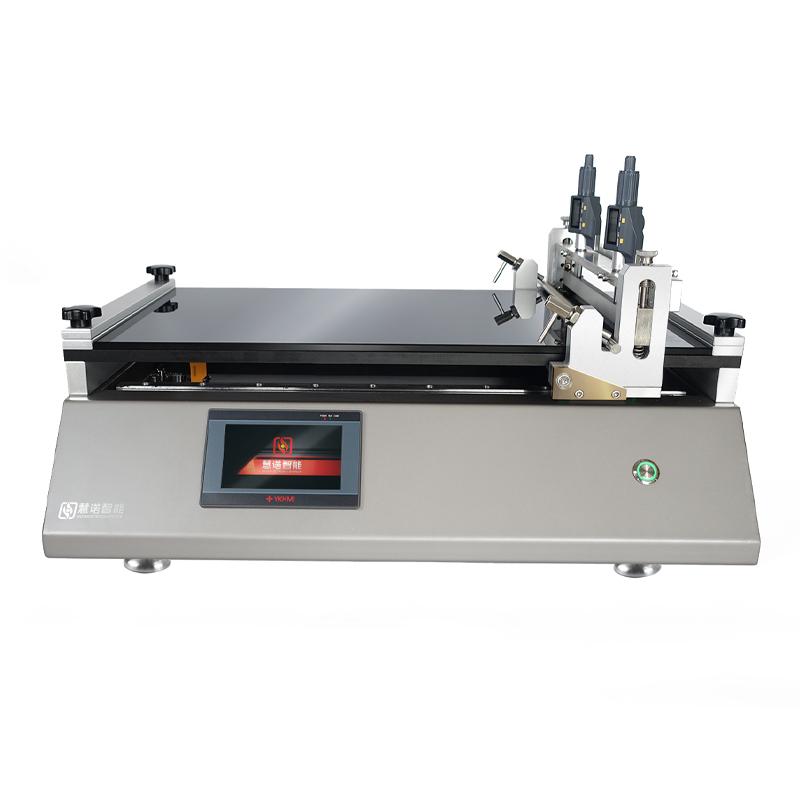
Clean the copper foil and place it on the automatic film coating machine. Coat the slurry evenly on the copper foil with a coating thickness of about 10-15 μm. Place the coated copper foil in a watch glass and dry it overnight at 70°C. Subsequently, a cutting machine is used to cut discs of a certain diameter, namely electrode sheets. The active material on each electrode sheet is loaded with a certain mass.
3. Battery assembly
In battery assembly, the cut copper foil loaded with active materials serves as the working electrode, and metallic lithium serves as the reference electrode and counter electrode. Select the separator and electrolyte and dissolve them in ethylene carbonate and diethyl carbonate. Assemble the battery in order from top to bottom, and finally use a battery packaging machine for packaging.
Through the above steps, the electrode sheet was successfully prepared and the battery assembly was completed. The battery was fully tested with both liquid and solid polymer electrolytes. This study not only demonstrates the key role of the Film Applicator in the battery preparation process, but also conducts a comparative analysis of the performance of liquid electrolytes and solid polymer electrolytes, providing a useful reference for the development of advanced battery technology in the future.