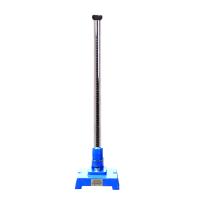
The Paint Film Impact Tester is a heavy-duty testing machine widely used for impact testing on a variety of coating types, including paints, varnishes, water-based wood coatings, high-viscosity plastic coatings and laminate coatings. This article will introduce the working principle, structure and specifications of the experimental instrument, and describe in detail the two test methods of pass/fail test and graded test, as well as the corresponding test steps and specifications.
1. Working principle
The paint film impact Tester simulates the impact force by the free fall of a heavy hammer to conduct impact tests on the coating. This test is suitable for quality management standards for impact testing and penetration testing in the fields of construction, chemical industry, etc. The test method complies with GB/T 20624.2-2006 ISO6272.2, ASTM D2794, D3029, D4226 and other standards.
2. Structure and specifications
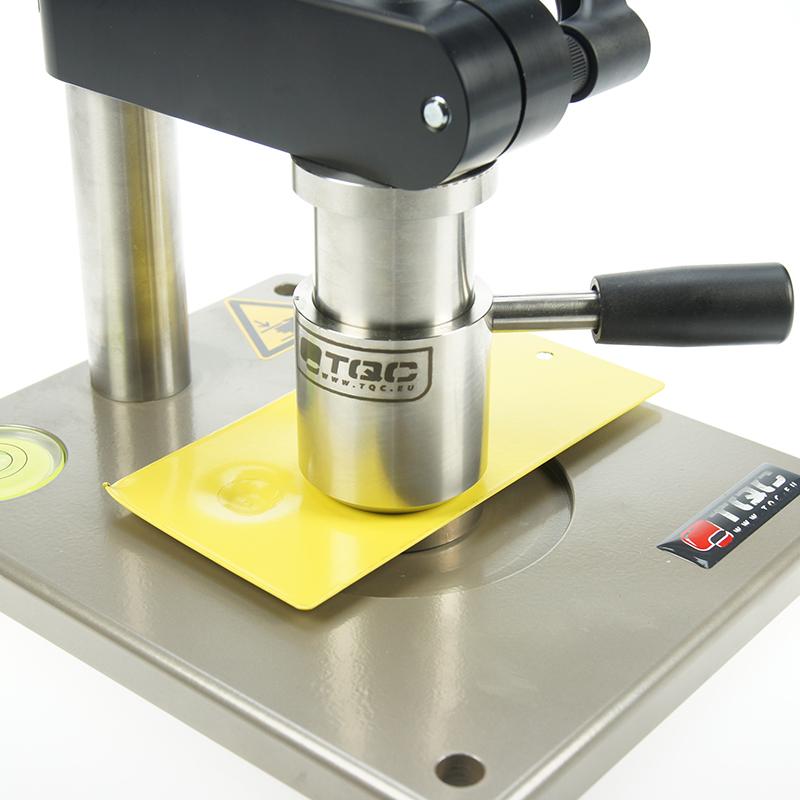
The paint film impact Tester is mainly composed of a conduit, a height limit ring and a base. The scales on the catheter are available in centimeters and inches, corresponding to ISO and ASTM standards respectively. The base size is 300mmx240mmx35mm and the duct height is 1250mm.
3. Experimental steps
1. Test preparation
Prepare your own visual lens with a magnification of 10 times.
Place the instrument on a level surface or floor.
Select the punch and corresponding die base according to the standard.
Insert the catheter and lock with the locking handle.
Secure the height limit ring to the conduit.
2. Pass/Fail Test
a. Adjust the height limit ring so that the indicated scale meets the specified weight drop height.
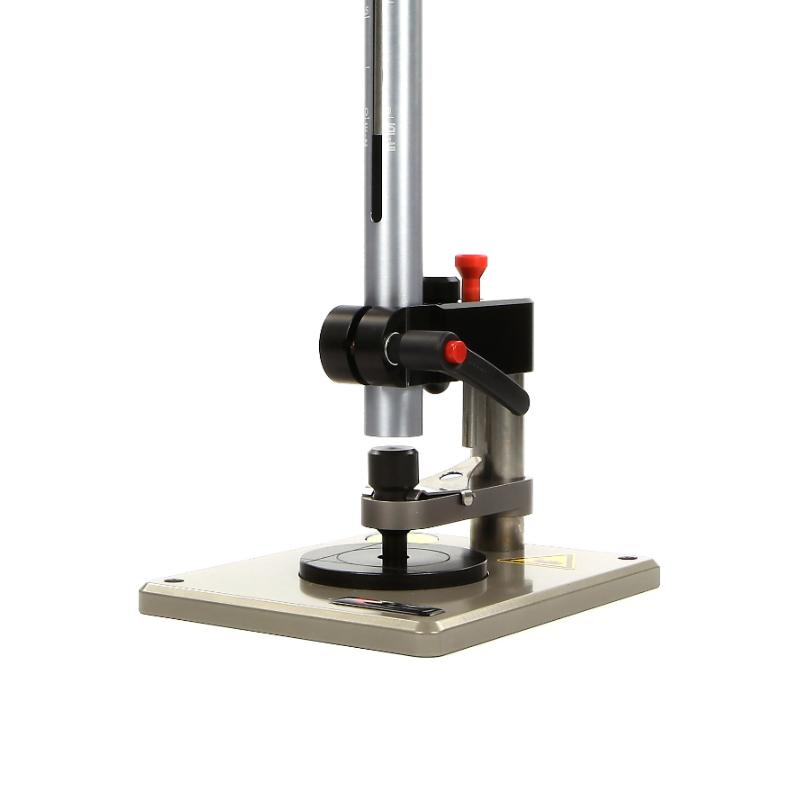
b. Place the test plate on the mold base with the painted surface facing up or down, turn the handwheel to press the compression sleeve against the test plate, and loosen the weight to let it fall onto the test plate.
c. Use a lens to inspect the coating for cracks or peeling from the substrate.
d. Conduct five tests at different locations on the test panel. If at least four test points do not crack or peel, the coating is qualified.
3. Grading test
a. Adjust the height limit ring to meet the specified weight drop height so that it is not expected to be damaged.
b. Place the test plate on the mold base, turn the handwheel to make the compression sleeve compress the test plate, and loosen the weight to let it fall to the test plate.
c. Increase the height in turn and observe the cracking of the coating in the impact area.
d. When cracking is observed, perform 15 drops and record the damage to the coating.
e. Report the combined mass/height of the resulting change in most damage as the endpoint of impact damage.
4. Hammer, punch, die base
Punch a: 12.7mm (0.625in)
Punch b: 15.9mm (0.5in)
Mold base a: 16.3mm (0.64 in)
Mold base b: 31.75mm (1.25in)
Drop weight: 300g (corresponding to water-based wood coating standards)
Additional weight: 1000g

The paint film impact Tester provides a comprehensive assessment of the performance of coatings under different impact conditions through its sophisticated testing methods. The flexible application of pass/fail and grading tests makes this Tester an indispensable quality control tool in the coatings and chemical industries.