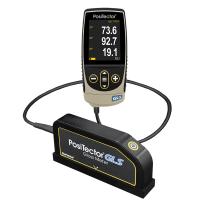
Pearlescent pigments have become an important component widely used in various coatings and decorative materials due to their unique pearlescent color. For pearlescent pigments, one of the core characteristics of its performance is pearlescent luster. This kind of pearlescent luster can not only reflect the decorative qualities, but is also closely related to performance indicators such as brightness and fullness. In order to more accurately evaluate and describe the gloss properties of pearlescent pigments, a series of measurement methods have been used, including visual evaluation of pearlescent gloss.
1. Measurement scope and description
This article describes the method for measuring pearlescent gloss, specifically assessing the reflected light of pearlescent pigments in coating films. Through this kind of evaluation, we can have a more comprehensive understanding of the gloss performance of pearlescent pigments in practical applications, and provide a scientific basis for product quality control. The evaluation of pearlescent gloss is mainly carried out by visual inspection, using materials such as black and white cardboard, resin varnish or emulsion, combined with certain preparation processes and measurement steps, to achieve the purpose of accurate evaluation. This determination method is applicable to pearlescent pigments in various coatings and decorative materials.
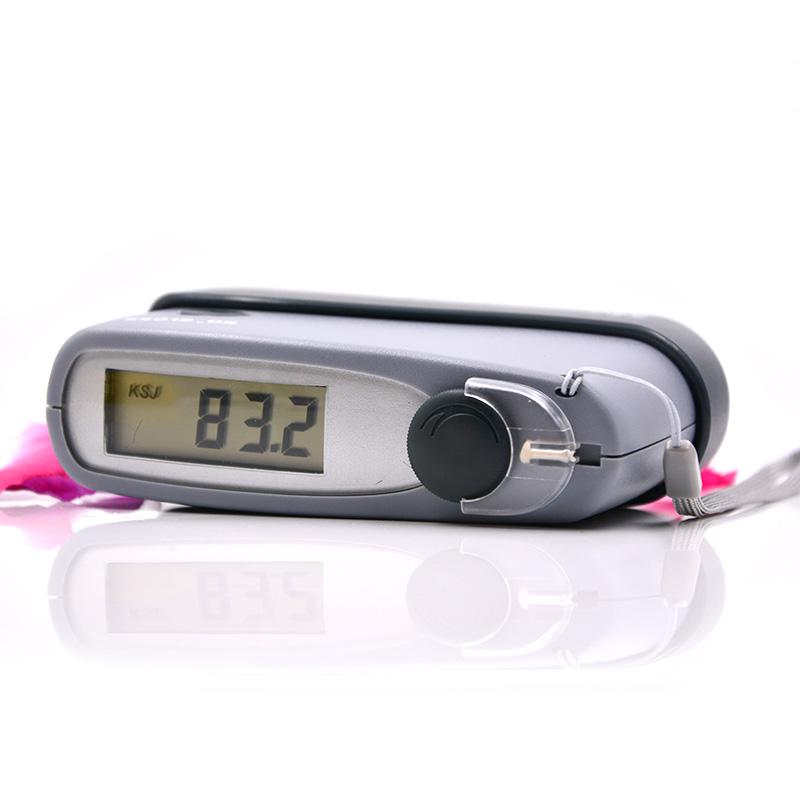
2. Instruments and materials
Choose black and white cardboard with reflectivity that meets the requirements to ensure a glossy viewing environment.
Resin varnish or emulsion Select a resin ambient-temperature self-drying epoxy acrylic varnish or emulsion with appropriate properties for preparation of specimens.
The balance is used to accurately weigh the mass of resin and samples, and the sensitivity should be 0.01g.
The paint Film Applicator is used to evenly coat the sample on the black and white cardboard, ensuring that the coating thickness is 200 μm.
3. Measurement steps
For pulping, take an appropriate amount of resin, add it to the container together with the sample, and stir evenly to prepare the slurry required for coating.
For plate making , the sample and reference sample slurries are coated on black and white cardboard to form color paste strips, which are cured by natural drying or low-temperature drying.
Place the prepared sample under a scattered light source, and visually observe the difference in pearlescent gloss and brightness between the sample and the reference sample on black and white backgrounds.
4. Result expression
Based on the test results, the differences in pearlescent gloss and brightness between the sample and the reference sample were evaluated. The types of pearlescent luster are divided into bright pearlescent, soft pearlescent, silk pearlescent, glittering pearlescent and intense glittering pearlescent. The pearlescent gloss difference is graded into four levels: similar, slightly, slightly, and relatively. Among them, comments about lightness and darkness should be included after slightly, slightly, and relatively.
This determination method refers to the chemical industry standard HG/T 3744-2004 "Mica Pearlescent Pigments". Through the above measurement method, the gloss performance of pearlescent pigments in coating films can be evaluated comprehensively and accurately. This not only has guiding significance for product quality control, but also provides a scientific basis for the selection of pearlescent pigments in different application scenarios. The method for measuring pearlescent gloss is accurate and reliable, and is an important tool in the research and production of pearlescent pigments.