introduction
Paint film flexibility is a key performance indicator in coating technology, which is directly related to the durability and stability of the coating in use. With the continuous improvement of surface coating requirements, the determination of paint film flexibility has become one of the hot topics in the coating industry and related fields. This article will deeply explore the definition, influencing factors, measurement methods and significance of paint film flexibility in different application fields, and show readers the importance and cutting-edge development of paint film flexibility in the coating process.
What is paint film flexibility
Paint film flexibility refers to the ability of a coating to maintain its original shape without cracking, falling off or failing under the influence of external forces. It is a reflection of the coating's ability to resist deformation and respond to external impacts. The flexibility of the paint film is directly related to the service life and performance of the coating. Especially in complex stress environments, such as temperature changes, vibration, impact, etc., the requirements for the flexibility of the paint film are even more prominent.
Different substrates have a significant impact on the flexibility of paint films. Certain substrates may form a better bond with the coating more easily, thereby increasing the film's flexibility. The formulation and composition of the coating play a decisive role in the flexibility of the paint film. Appropriate selection of ingredients such as resins, additives and solvents can help improve the flexibility of the paint film. Factors such as coating thickness, curing conditions, and coating methods in the coating process will also affect the flexibility of the paint film. Reasonable coating technology can effectively improve the flexibility of the coating. Paint film flexibility is often required to maintain stability under varying environmental conditions. Environmental factors such as temperature, humidity, ultraviolet rays, etc. may affect the flexibility of the paint film.
test methods
The impact test is a commonly used method to measure the flexibility of paint films by simulating external impact forces and observing whether cracks, peeling, etc. occur in the paint film under impact.
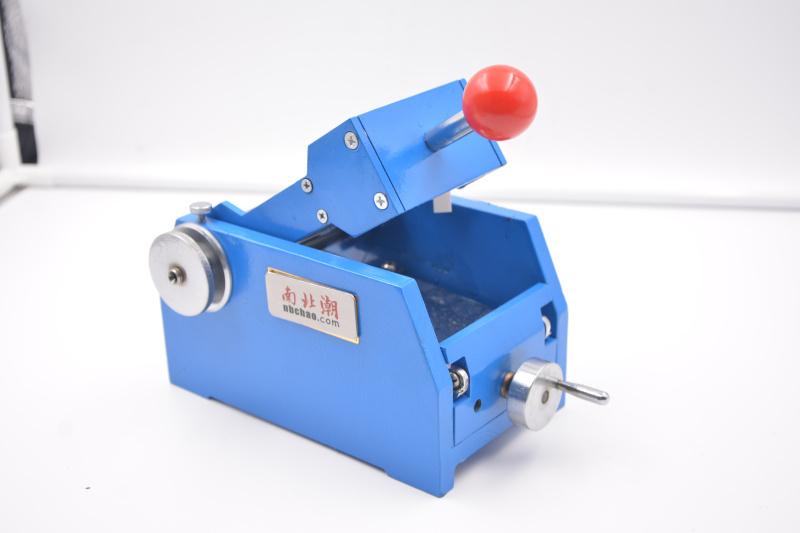
The bend test usually evaluates the flexibility of the paint film by bending the substrate covered by the coating to observe the deformation and cracking of the coating.
The tensile test uses a tensile machine to stretch the paint film and observe the performance of the paint film during the stretching process to evaluate its flexibility and ductility.
The scratch test evaluates the scratch resistance and flexibility of the paint film by applying a certain load on the surface of the paint film and observing whether the paint film produces scratches, wear, etc.
Through the elastic recovery rate test, the ability of the paint film to return to its original shape after external force can be evaluated, thereby indirectly reflecting its flexibility.
Application areas
In architectural painting, the flexibility of the paint film is directly related to the stability of the coating under various climatic conditions, preventing coating cracks and peeling due to temperature changes, building vibration and other factors. The coating on the car surface needs to have excellent flexibility to cope with the wind force during high-speed driving and vibrations in various road conditions, while maintaining integrity during collision or impact to ensure the beautiful appearance and durability of the vehicle. In the surface coating of electronic products, the flexibility of the paint film affects the long-term maintenance of the product's appearance, and is also related to the product's resistance to external impact during use. In the aerospace field, coatings need to have high flexibility to cope with harsh conditions such as airflow impact and alternating high-low temperatures during flight to ensure the performance stability of the coating. In home painting, the flexibility of the paint film is related to the durability of the wall coating in home use, preventing cracking and peeling caused by changes in temperature and humidity.
In the future, the improvement of paint film flexibility may rely on the development of new materials, including highly elastic resins, nanomaterials, etc., to improve the flexibility of the coating. Advanced coating processes and technologies will be more widely used in the future. By accurately controlling parameters such as coating thickness and curing temperature, the flexibility of the paint film can be improved. Future paint films may pay more attention to multi-functionality, which not only has excellent flexibility, but also has multiple properties such as anti-corrosion, wear resistance, and UV resistance. With the increasing awareness of environmental protection, the improvement of paint film flexibility in the future will be closely related to the development and application of green and environmentally friendly coatings. Intelligent coatings may become the future development direction. By embedding sensors and other components, the coating status can be monitored in real time to ensure its flexibility in complex environments.
Conclusion
As a key performance indicator in coating technology, paint film flexibility has an important impact on the aesthetics, durability and functionality of coatings. With the continuous advancement of coating technology and material science, the measurement methods and application fields of paint film flexibility will continue to be enriched and expanded. In the future, through the introduction of new materials, new processes and new technologies, paint film flexibility is expected to play a more important role in various fields, providing a more reliable guarantee for product quality and performance.