introduction
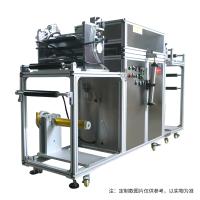
Laboratory composite coating machine is an advanced equipment widely used in scientific research and laboratory fields. It provides important support for research and development in various industries by layering different materials together to form composite films or coatings. This article will deeply explore the technical principles, application fields, development trends and some key technological innovations of laboratory composite coating machines.
1. Technical principles
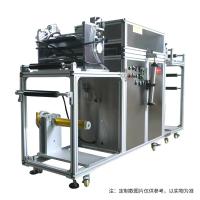
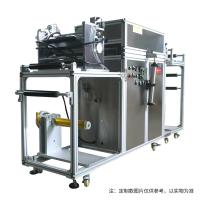
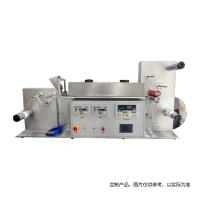
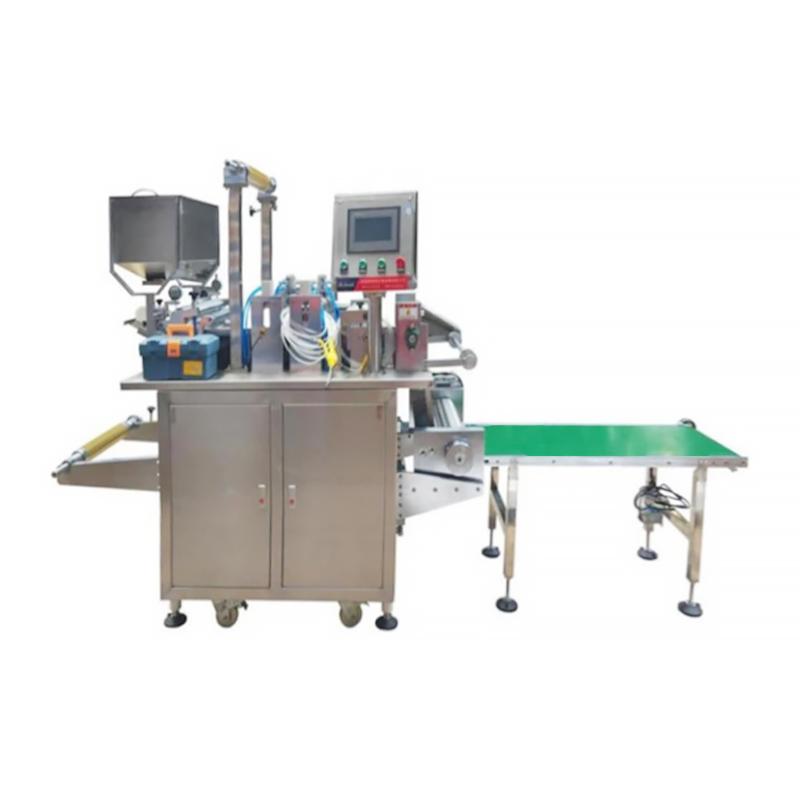
The core technology of the laboratory composite coating machine lies in its complex and precise coating process. Generally speaking, the machine mainly includes basic components such as bottom film roll device, upper film roll device, coating unit, drying unit, and winding device.
Bottom film roll device: The bottom film roll device is responsible for loading the base film material into the machine to ensure that it can proceed smoothly and evenly throughout the coating process. This step has an important impact on the final coating quality.
Upper film roll device: The upper film roll device is used to carry the upper layer material, usually a functional coating or other composite materials coated on the bottom film. Its design needs to take into account precise alignment with the bottom film and stability during high-speed operation.
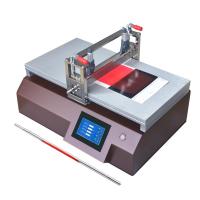
Coating unit: The coating unit is a key component of the entire composite coating machine. It uses different coating methods (such as scraping, spraying, etc.) to evenly cover the base film. This step determines the thickness and uniformity of the final coating.
Drying unit: After the coating is completed, the solvent or moisture in the coating needs to be evaporated through the drying unit to ensure that the coating can be cured quickly. Different materials require different temperature and humidity control, which is one of the important tasks of the drying unit.
Rewinding device: The rewinding device rolls up the completed composite film or coating to facilitate subsequent use or analysis.
2. Application fields
The application fields of laboratory composite coating machines are very wide, involving many fields such as material science, electronics, optics, medical treatment, etc.
In materials science research, laboratory composite coating machines are often used to prepare new materials, such as polymer composites, nanomaterials, etc. Through different coating methods and material combinations, precise control of material properties can be achieved.
In the field of electronics, laboratory composite coating machines are widely used in the research and development of printed electronic devices, such as flexible electronics, organic optoelectronic devices, etc. Its high precision and efficiency make it an important tool in the preparation of electronic devices.
In the field of optics, laboratory composite coating machines can be used to prepare optical films, optical filters, etc. Optimization of optical properties can be achieved by coating different optical materials.
In the medical field, laboratory composite coaters can be used to prepare medical dressings, drug release systems, etc. Its application in medical materials research provides the possibility for innovation in medical devices.
3. Development Trend
With the continuous advancement of science and technology, laboratory composite coating machines are also constantly developing and improving. Here are some possible trends:
Intelligence and automation: Future laboratory composite coating machines may be more intelligent and equipped with automated control systems. Through advanced sensors and control algorithms, the entire coating process can be intelligently monitored and adjusted to improve production efficiency and coating quality.
Versatility: Future laboratory composite coaters may have more functions and support a variety of different coating methods and material combinations. This will make it more flexible and versatile in scientific research and laboratories.
Green manufacturing: With the increasing requirements for environmental protection and sustainable development, future laboratory composite coating machines may pay more attention to green manufacturing, using environmentally friendly coating materials and processes to reduce the impact on the environment.
High-throughput R&D: In order to meet the needs of high-throughput experiments, future laboratory composite coating machines may pay more attention to high-speed and efficient coating processes to improve R&D efficiency.
4. Key technological innovations
The technological innovation of laboratory composite coating machines mainly focuses on the following aspects:
New coating technology: Develop new coating methods, such as spray coating, roller coating, micro-blade coating, etc., to meet the coating needs of different materials and improve the uniformity and accuracy of coating.
Advanced coating materials: Develop coating materials with special properties, such as polymers with self-healing functions, highly conductive nanomaterials, etc., to expand the application of laboratory composite coating machines in various fields.
Intelligent control system: Introduce advanced sensors and intelligent control algorithms to realize real-time monitoring and adjustment of the coating process, improving production efficiency and quality.
Green coating technology: Research and develop environmentally friendly and degradable coating materials and processes to meet society's requirements for green manufacturing.
in conclusion
As a key research and development tool, laboratory composite coaters play an important role in many fields such as materials science, electronics, optics, and medical care. An in-depth understanding of its technical principles and application fields is of great significance for promoting scientific research and industrial innovation. With the continuous development of technology, laboratory composite coating machines will usher in more innovations in aspects such as intelligence, versatility, and green manufacturing, providing stronger support for research and industrial applications in various fields.