introduction
In modern industry, plastic products are everywhere, from daily necessities to industrial parts, plastics play an irreplaceable role in various fields. However, different types of plastics vary greatly in hardness and toughness, which requires a reliable testing tool to evaluate their quality and performance. Plastic hardness test pens, as a common testing tool, provide us with a window into the mystery of the hardness of plastic materials. This article will delve into the principles, application areas, and importance of plastic hardness test pens in materials science and engineering.
working principle
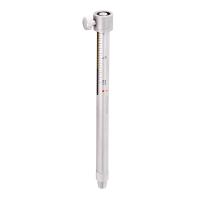
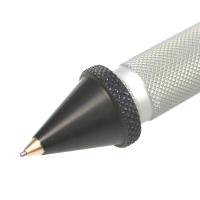
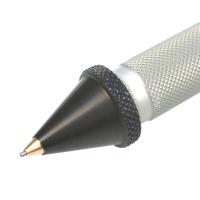
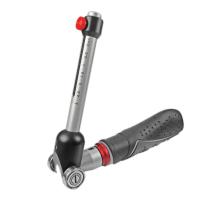
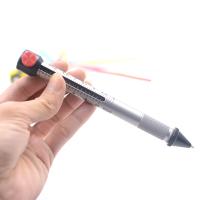
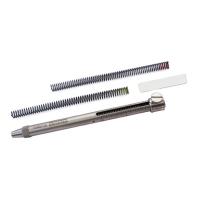
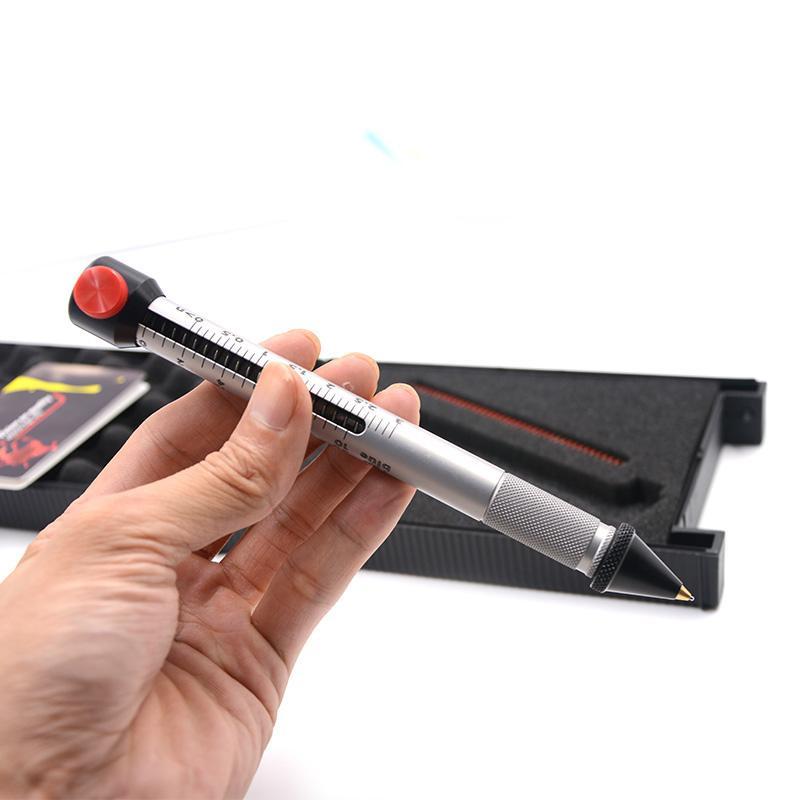
In materials science, hardness refers to a material's resistance to external forces and is often used to measure a material's resistance to wear and deformation. Plastic hardness testing is a method of evaluating the hardness of plastic materials, which reflects the plastic's surface resistance when subjected to force. The plastic hardness test pen adopts the basic principle of Ray's hardness test. Its main components include a Hardness Tester, test tip and measuring instrument. Test pen tips are usually made of tungsten, which is much harder than the plastic material being tested. During the test, the test pen tip is embedded into the plastic surface, and the hardness value of the material is determined by measuring the depth of penetration. In addition to plastic hardness test pens, there are other common hardness testing methods, such as Barcol hardness, Vickers hardness, etc. This section will compare the advantages and disadvantages of different hardness testing methods and why plastic hardness test pens are more advantageous in certain scenarios.
Application areas
In the field of industrial manufacturing, plastic hardness test pens are widely used to test the hardness of various plastic products to ensure that they meet product design and quality standards. For example, in automobile manufacturing, hardness testing of various plastic parts is crucial to ensure the safety and durability of the car. Various plastic materials are often used in medical devices, such as syringes and surgical instruments made of medical plastics. Through the plastic hardness test pen, the hardness of the plastic materials of these medical devices can be evaluated to ensure their stability and safety during use. With the continuous development of electronic products, plastics are increasingly used in electronic product casings, connectors, etc. The application of plastic hardness test pens in electronic product manufacturing helps to verify the strength and hardness of plastic casings to improve the product's drop resistance and durability.
With the continuous advancement of science and technology, the research and development of new plastic materials has become an important direction in the field of materials science and engineering. Plastic hardness test pens can help scientists evaluate the hardness properties of new materials and provide strong support for the promotion and application of new materials. In the field of engineering, quality control of materials is one of the key factors to ensure the success of engineering projects. Through the plastic hardness test pen, engineers can quickly and accurately evaluate the hardness of materials, discover potential quality problems in a timely manner, and ensure the smooth progress of the project. In construction and structural engineering, the application of plastic hardness test pens is also very important. By testing the hardness of building materials, engineers can better understand the properties of materials, provide scientific basis for structural design, and ensure the safety and durability of buildings.
Conclusion
As a simple and effective hardness testing tool, the plastic hardness test pen plays an important role in various fields. By in-depth understanding of the principles, application fields and importance of plastic hardness test pens in materials science and engineering, we can better understand the irreplaceable position of this small instrument in modern society. In the future, with the continuous advancement of science and technology, the performance and application fields of plastic hardness test pens will continue to expand, providing more possibilities for materials research and engineering practice.