Dip coating is a coating method in which the coated workpiece is immersed in the paint for a certain period of time, then taken out, and the remaining paint is drained and dried to obtain a paint film. The paint dipping equipment is simple, easy to operate, high in work efficiency and high in paint utilization. But it is only suitable for streamlined workpieces with simple shapes, no pits, and no paint pockets, and the decorativeness of the coating is not as good as that of spraying and brushing. In furniture production, dip coating is mainly used to coat parts with simple shapes and large batches, such as legs and handles of tables, specials, cabinets, etc.; handles, brackets, single shells, etc. in machinery manufacturing. It can also be used for the dyeing of water-based dyes and the filling and priming of water-based pore-filling materials. In the dip coating of dyeing and hole filling, the appearance of the workpiece is not as strict as that of dipping paint, because the viscosity of water-soluble dyes is very small, and no matter how complicated the shape is, it is easy to penetrate and dye without defects such as paint pockets, flow, and uneven thickness. . For hole filling, workpieces with complex shapes are also acceptable, because after dipping, it is followed by finger rubbing, and no matter how complicated the shape is, it can be evenly rubbed by hand. The dip coating operation can be done manually, or it can be mechanized to form an assembly line for production. If it is a small and large number of parts such as handles, they can be dip-coated in a wire mesh basket. Manual dip-coating and mechanized dip-coating are mainly different from the immersion and removal of the lacquer essence and the stirring of the lacquer essence. The former is manual, and the latter is mechanical. The factors and operating essentials affecting dip coating are described as follows:
(1) Paint
Dip-coating paint should remain stable, not gelled, not deteriorated, pigments not precipitated, and not crusted during long-term use. Baking coatings and self-drying coatings are mainly used in dip coating. On the contrary, volatile coatings, coatings containing a large amount of low boiling point solvents and heavy pigments are not suitable for dip coating. As for the above-mentioned water-soluble dyes and hole-filling materials, it is a special application of dip coating.
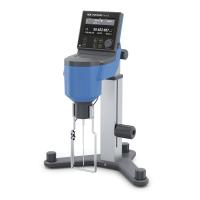
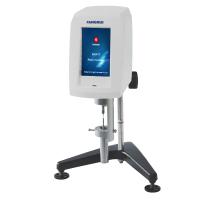
Coating viscosity affects the thickness and appearance of the paint film in dip coating. Low viscosity, thin paint film, good leveling; high viscosity, thick paint film, poor leveling, it is difficult to drip the remaining paint, and the flow marks are obvious and affect the appearance. Experience shows that the viscosity of the coating should be controlled at about 20-30 seconds (coating -4 cups, 20°C). The viscosity of the paint changes with its temperature, and the ambient temperature should be controlled at 15°C~30°C. (Related instrument: viscometer)
(2) The speed of workpiece entry and exit
The speed of the mandrel is affected by the viscosity of the paint, which is related to the wetting of the workpiece surface and the air bubbles in the paint film. The viscosity is small and the tank can be fast, while the tank is slow for adults. Dip coating in a paint with a viscosity of 20-30 seconds, and the speed of entering the tank is about 20 cm/min, which can make the surface of the workpiece fully wet, and the coating is relatively uniform, and it will not bring in air to cause air bubbles. The speed of ejaculation is about 10 centimeters. Slow out of the tank is conducive to the leveling of the coating and make the coating even. When the viscosity of the paint is high, the out of the tank should be slower.
(3) Stability of paint and other precautions
The stability of the coating is mainly the stability and consistency of the composition, viscosity and temperature. During painting, dust and impurities should be prevented from being brought into the paint solution. The surface of the workpiece must be cleaned before being refined. The paint tank shall be covered during the painting break. Capping can also reduce solvent volatilization, which is beneficial to the stability of paint viscosity and solid content. When dipping, the coating should be stirred to maintain the consistency of its pigment, viscosity and temperature. In dip coating, since the paint is opened and stirred, the solvent volatilizes a lot, so the viscosity should be measured 2-3 times a day, and the solvent should be added to adjust at any time.
Pay attention to the hanging method during dip coating. For workpieces with complex shapes, the largest plane should be close to the vertical position to avoid paint pockets and air bubbles. When dipping small parts such as handles with a mesh basket, pay attention to the flipping after the large tank. After the large workpiece comes out of the trough, the thickness of the upper and lower coatings is different, and even obvious accumulation of hypertrophy appears on the lower edge, and the remaining paint should be brushed off. The thickness of the dip-coated paint film is related to the viscosity and solid content of the paint, and it is generally advisable to recoat 20-30 microns at a time. Too thick will affect the appearance of the paint film and even wrinkle.
The solvent volatilizes a lot during dip coating, and the coating site must have certain ventilation and fire prevention facilities. It is better to install a device that can discharge the paint in the paint essence into the underground paint warehouse with the warm ball, so that it can be used in case of fire.