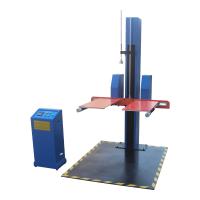
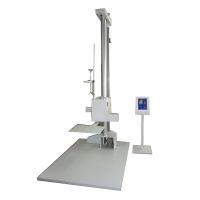
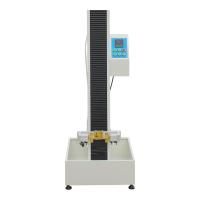
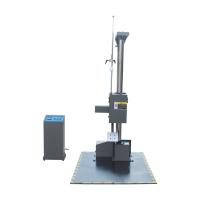
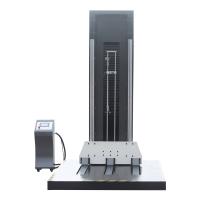
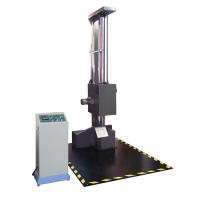
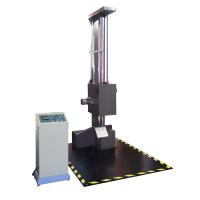
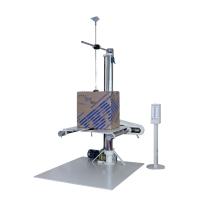
In the modern logistics and packaging industry, plastic packaging containers play a vital role. Not only do they need to have good mechanical properties to protect the integrity of the product inside, they also need to be stable under a variety of environmental conditions. Among them, the drop test, as an important mechanical property test, plays a decisive role in the quality and safety of plastic packaging containers. This article will focus on the relevant content under two conditions: normal temperature real box drop test and low temperature empty box drop test.
Room temperature real box drop test
The normal temperature real box drop test is a common test method, which aims to simulate the accidental drops that plastic containers may face under normal use conditions. During the test, the plastic container will be filled with actual contents or a simulator and freely dropped from a certain height. This process usually uses the bottom drop method, that is, the bottom of the container touches the ground. The test requires that no cracks are allowed after a drop. This is to ensure the structural integrity of the container to prevent damage or leakage of the product inside.
Low temperature empty box drop test
Different from the normal temperature real box drop test, the low temperature empty box drop test pays more attention to the cold resistance performance of plastic containers in low temperature environments. In this test, the plastic container is placed in a cold environment for a period of time to allow it to reach the test temperature. Subsequently, the container is dropped freely from a certain height so that its bottom and sides touch the ground respectively. Such tests are designed to evaluate the toughness and impact resistance of plastic materials at low temperatures.
Drop test on different types of plastic packaging containers
For different types of plastic packaging containers, the specific requirements for drop tests will also be different. Taking plastic packaging containers such as bottles and barrels as an example, the testing method requirements are relatively complex. First, fill the container with water of a certain temperature and drop it from a certain height to the cement floor using the bottom and sides. During this process, no damage or leakage should occur to ensure that the container can effectively carry and protect the liquid inside during transportation.
The importance of drop testing
As an important means of quality control of plastic packaging containers, drop tests can not only evaluate their structural strength and impact resistance, but also provide effective feedback for product design and improvement. By continuously optimizing design and material selection, the durability and safety of plastic packaging containers can be improved, and product damage and leakage caused by drops can be reduced, thereby reducing business operating costs and improving user experience.
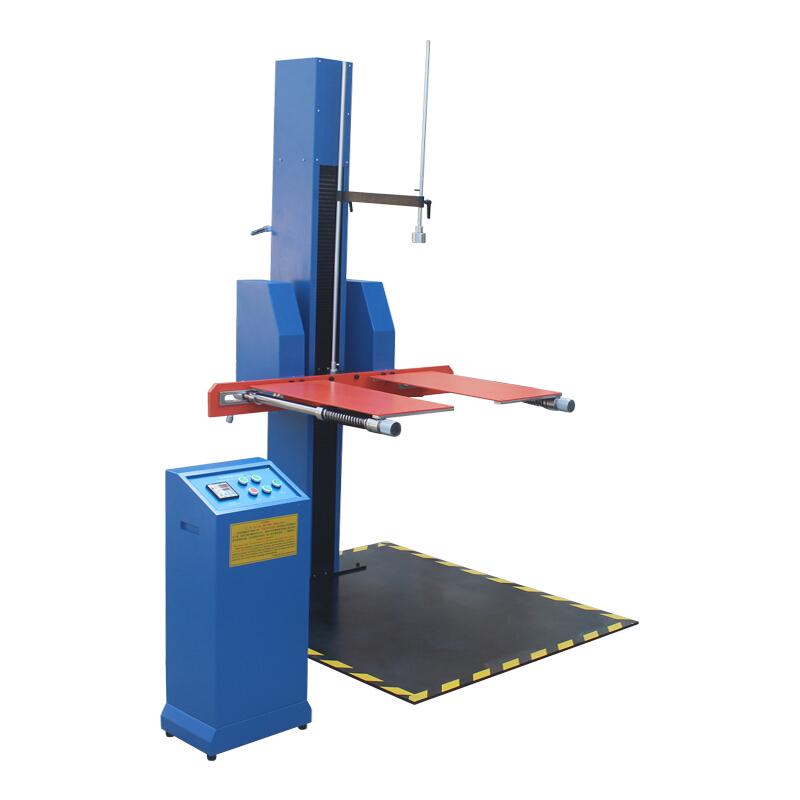
To sum up, the drop test plays an irreplaceable role in the production and quality control process of plastic packaging containers. By strictly complying with the standards and requirements of drop tests, it can be ensured that plastic packaging containers can transport and store the products inside stably and reliably in various use environments. Therefore, strengthening the research and implementation of drop tests is of great significance to improving the quality and competitiveness of plastic packaging containers.