In the paint industry, thinners are widely used to adjust the viscosity of paint to ensure that the paint has suitable fluidity and spreadability. Thinner is a liquid that cannot dissolve resin and can only be added to the paint within a certain proportion. This article will explore the relationship between thinner dosage and paint viscosity, and the impact this relationship has on paint performance.
The role of diluent
The main function of thinner in paint is to adjust the viscosity and evaporation speed of paint. The viscosity of the paint determines its fluidity and coating properties, while the evaporation rate affects the drying time and film quality of the paint. By adding appropriate diluents, the viscosity of the paint can be adjusted to make it easier to apply and flow, and the drying speed of the paint can be controlled to adapt to different construction conditions and requirements.
The relationship between the amount of thinner and the viscosity of the paint
The amount of thinner added is inversely proportional to the viscosity of the paint. Within a certain range, as the amount of diluent increases, the viscosity of the paint will gradually decrease. In other words, the greater the amount of thinner added, the less viscous the paint becomes, making it smoother and easier to apply. This is because the addition of diluent can reduce the interaction between particles in the paint and reduce the viscosity.
Influencing factors
The effect of diluent dosage on paint viscosity is affected by many factors, including the type of diluent, paint composition and construction conditions. Different types of thinners have different effects on paint. Some thinners may cause the paint to flow too high, while others may affect the drying properties of the paint. In addition, the composition and construction conditions of the paint will also affect the amount and effect of thinner added.
Effect of coating performance
The amount of thinner used has an important impact on the performance of the coating. An appropriate amount of thinner can improve the fluidity and spreadability of paint, make paint application easier, and reduce paint waste. However, excessive diluent may cause the paint to be too fluid, prone to dripping and flowing, affecting the coating effect and film quality of the paint. Therefore, when using thinners, the amount needs to be reasonably controlled according to specific conditions and requirements to ensure that the coating has good performance and construction effects.
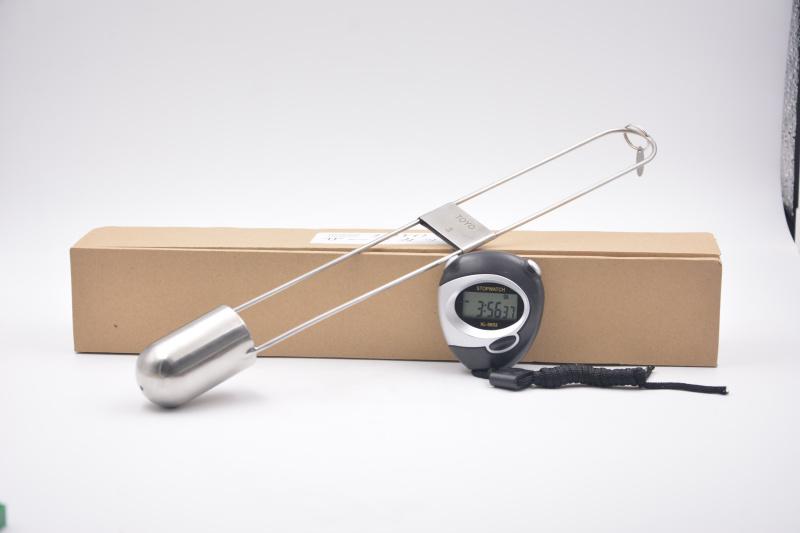
There is a close relationship between the amount of thinner used and the viscosity of the paint. An appropriate amount of diluent can effectively adjust the viscosity of the paint, improve the fluidity and coating properties of the paint, and control the drying speed of the paint. However, excessive diluent may cause a decrease in paint performance, affecting the coating effect and film quality. Therefore, when using thinners, the amount needs to be reasonably controlled according to specific conditions and requirements to ensure that the coating has good performance and construction effects.
