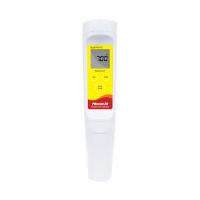
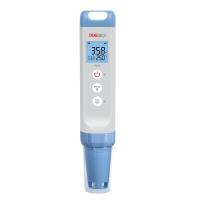
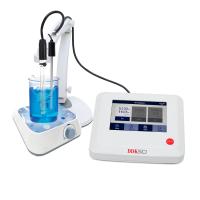
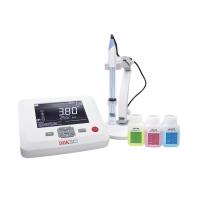
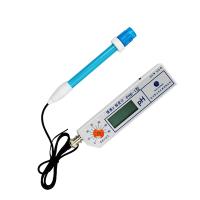
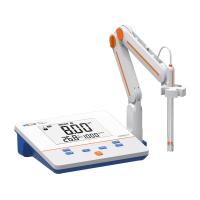
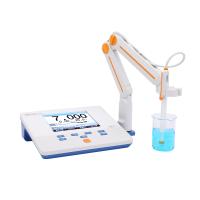
In environmental protection and industrial production, water quality monitoring is one of the most important tasks. The pH value of a water body is one of the key parameters for evaluating its acidity and alkalinity. Therefore, accurately measuring the pH value of a water body is crucial to ensuring water quality safety and environmental health. In some specific occasions, such as monitoring of fluoride-containing water, a specially designed anti-fluorine pH meter is required. This article will deeply explore the principles, technical characteristics, application scenarios and future development trends of fluorine-proof pH meters so that readers can better understand and apply this important instrument.
Fundamental
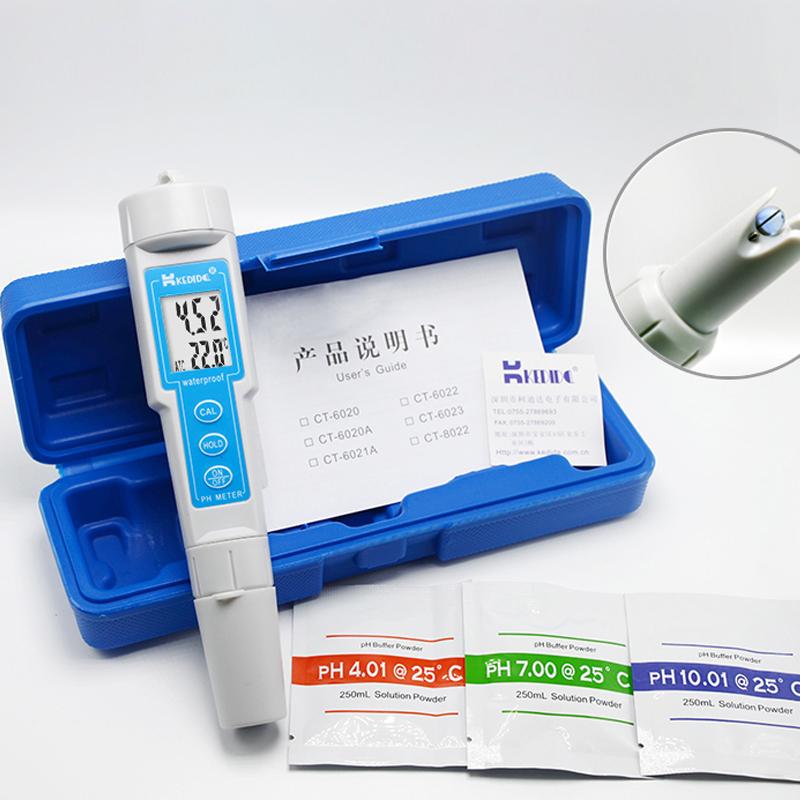
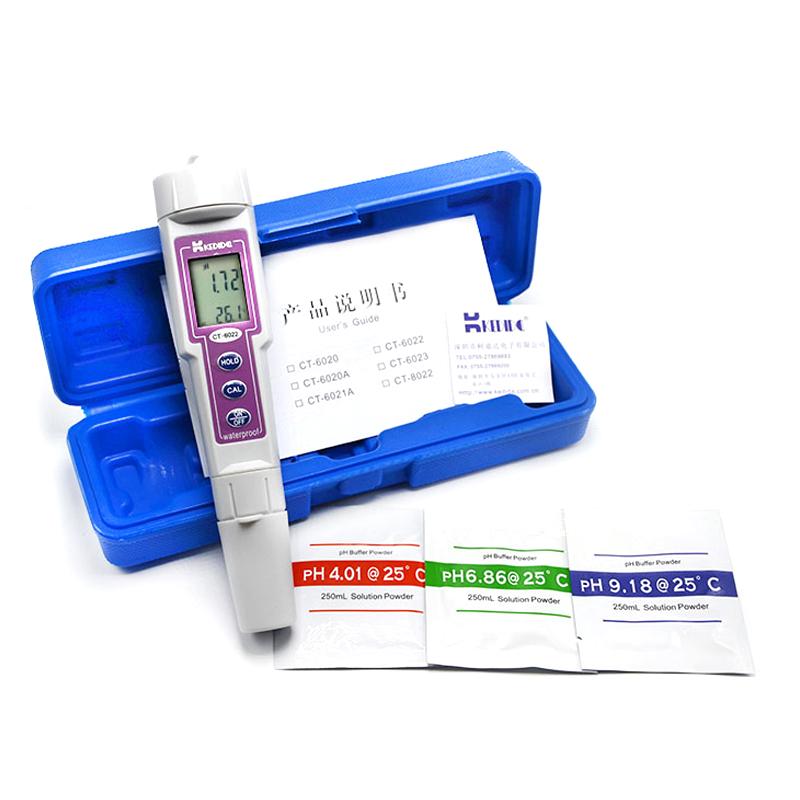
Anti-fluoride pH meter is an instrument specially used to measure the pH value of fluoride-containing water. Its principle is based on the measurement principle of PH value. It usually uses a combination of glass electrode and reference electrode to determine the PH value of the water body by measuring the potential difference of the electrode. However, when measuring fluoride-containing water, the electrodes of ordinary pH meters may be interfered by fluoride ions, resulting in inaccurate measurement results. Therefore, the anti-fluorine pH meter uses special materials and designs to enable it to measure pH values ââstably and accurately in fluoride-containing water while reducing the interference of fluoride ions.
The electrode of the anti-fluorine pH meter is made of special materials, which can effectively prevent the interference of fluoride ions on the electrode and ensure the accuracy of the measurement results. It has strong anti-pollution ability and can operate stably in fluorine-containing water bodies without being affected by water pollution. The anti-fluorine pH meter uses advanced measurement technology and algorithms to achieve high-precision and stable pH value measurement to meet the needs of different application scenarios. It is easy to operate and maintain, and is suitable for various water quality monitoring occasions.
Application scenarios
Anti-fluoride pH meter can be used in drinking water plants to monitor the pH value of fluoride-containing water to ensure the safety and qualification of drinking water. In some industrial production processes, fluoride-containing wastewater may be produced. Anti-fluorine pH meters can be used to monitor the pH value of wastewater and guide wastewater treatment and discharge. For some water bodies with serious fluoride pollution, such as lakes, rivers, etc., anti-fluoride pH meters can be used for environmental monitoring and timely detection of water body pollution. In the field of scientific research, anti-fluorine pH meters can be used to study the chemical properties and environmental behavior of fluorine-containing water, providing scientific basis for environmental protection and water quality improvement.
With the development of science and technology, future anti-fluorine pH meters may incorporate intelligent technologies, such as artificial intelligence and big data analysis, to improve measurement accuracy and stability. Future anti-fluorine pH meters may integrate more functions, such as dissolved oxygen measurement, conductivity measurement, etc., to meet the needs of different application scenarios.
Conclusion
As an important instrument specially used to measure the pH value of fluoride-containing water, the anti-fluoride pH meter has important application value and development prospects in the fields of water quality monitoring and environmental protection. By in-depth understanding of its principles, technical characteristics, application scenarios and future development trends, we can better understand and apply this key instrument and promote the development and innovation of water quality monitoring technology.