Both burettes and pipettes are vital tools in the laboratory, designed for precise liquid measurement and transfer. Burettes are graduated and equipped with valves to dispense measured volumes, making them ideal for titrations. Pipettes, on the other hand, are used to transfer specific volumes of liquid quickly and accurately. Ready to explore how these instruments can enhance your experiments?
Although both burette and pipette tools are used by laboratory analysts to accurately measure fluids, they serve different purposes. Burettes are usually fixed devices, whereas pipettes are removable. Pipettes can both aspirate and release liquids, whereas burettes can only release liquids. Typically, analysts fill burettes from above, while pipettes are filled from the bottom up. Both devices are graduated to measure accurate liquid volumes, but pipettes tend to be better suited for smaller volumes than burettes.
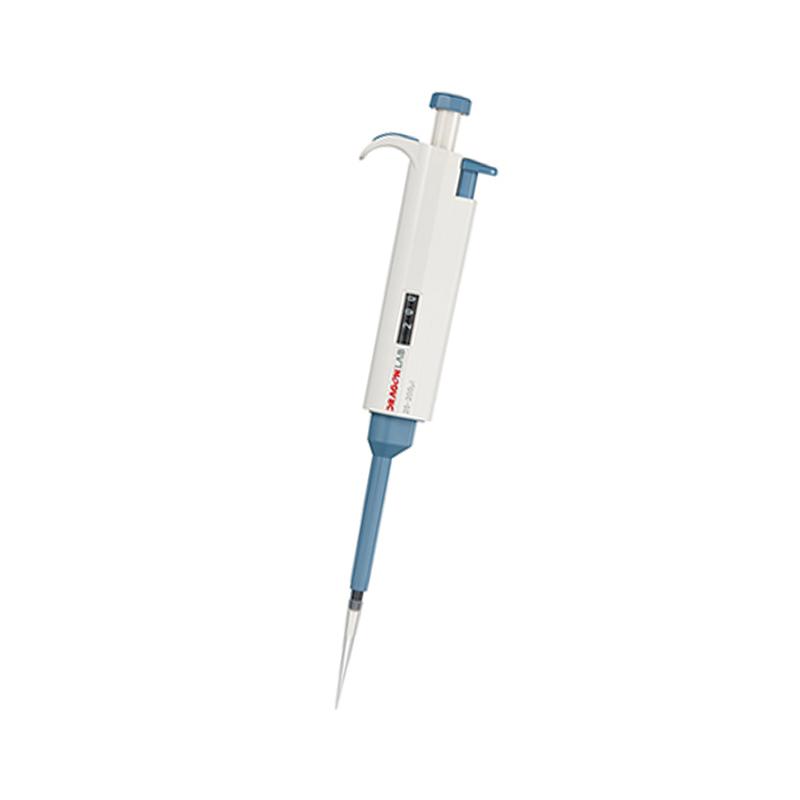
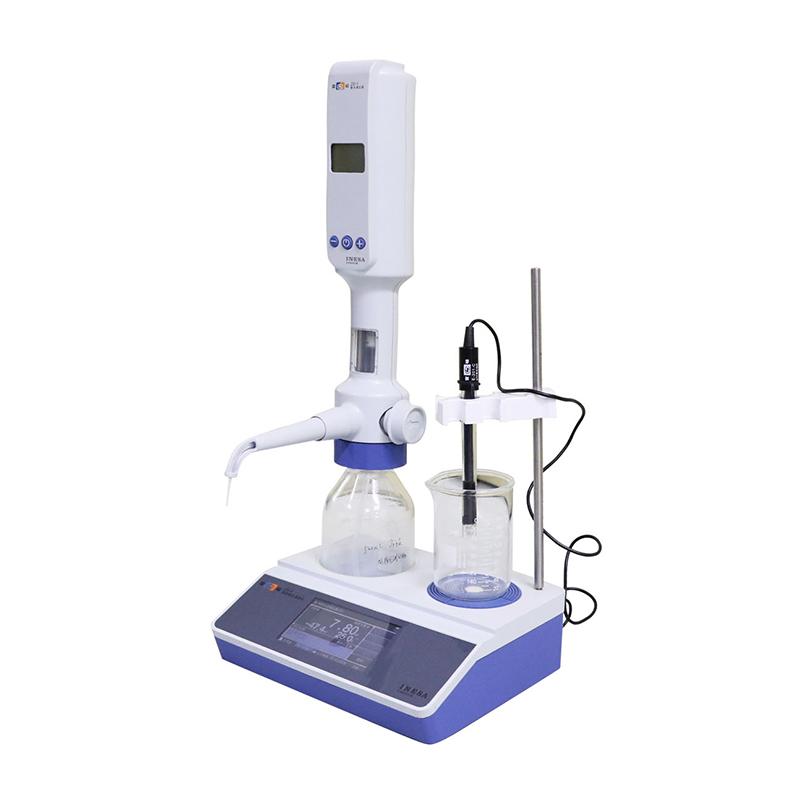
One major difference between burettes and pipettes is that pipettes are handheld, while burettes typically clip onto a stand on a laboratory bench. Both are long, thin, hollow tubes designed to hold liquids. Typically, burettes are made of glass, while pipettes often come in plastic and glass versions.
Since hollow tubes are basically measuring devices, both burettes and pipettes are marked along the sides to indicate the presence of a specific volume of liquid within the tube. Because the laboratory analyst holds the pipette, the volume of the pipette is usually smaller than that of a buret, which can be larger because it is fixed to the laboratory bench. The way in which liquid is filled is another difference between burettes and pipettes.
A burette has an open top of the tube, and at the other end of the tube is a small exit point that is closed with a valve plug. Therefore, the analyst pours liquid into the burette at the top until the desired volume mark is reached. A pipette, on the other hand, does not have a plug locking mechanism but is an open, hollow tube with a tapered end.
The tip of the pipette requires a suction device that changes the pressure inside the tube to draw liquid from the liquid container through the tapered end. As long as the suction pressure on the pipette is maintained, the liquid will remain in the tube. When the suction is removed, the liquid flows out because the bottom of the tube does not have a mechanical locking system like a burette.
Generally, burettes and pipettes are used for different purposes in laboratory procedures. Burettes deliver an exact volume of liquid into another container, such as in a titration. When an analyst titrates two substances, he or she analyzes how much of one substance is needed to produce a visible change in the other.
Changes in the volume of a liquid can be used to calculate the concentration of certain components in a sample substance. Pipettes can also be used for titrations, but since they contain less liquid and may need to be refilled, burettes are more time efficient. In contrast, since burettes are inconvenient to use, pipettes are a reliable method of measuring and transferring liquids to other containers.
