Amino acids are the basic building blocks of proteins and play important physiological functions in organisms. The pH value of amino acids refers to their acidity and alkalinity in solution, which is crucial to various biochemical reactions and metabolic processes in organisms. This article will delve into the significance of amino acid pH, influencing factors and how to measure and adjust the pH of amino acids.
What is the pH value of amino acids
The intracellular pH value is one of the important indicators of the homeostasis of the intracellular environment. As one of the main components of the cell, the regulation of amino acids plays an important role in maintaining intracellular homeostasis, including regulating the ion balance inside and outside the cell and Metabolic activities within cells. The pH value of amino acids affects the secondary and tertiary structures of proteins, because the acidity and alkalinity of amino acids determines their charged state, which in turn affects the charge distribution and spatial conformation of proteins, thus affecting the stability and functionality of proteins. The activity of most enzymes is affected by pH value. Different enzymes have different degrees of dependence on pH value. Some enzymes are more active in acidic environments, while others are more active in alkaline environments. Therefore, adjusting the pH value of amino acids can regulate the activity of enzymes and affect the progress of various biochemical reactions in organisms.
Factors affecting the pH value of amino acids
The structure of an amino acid determines its degree of ionization under different pH conditions, mainly depending on the acid-base properties of its side chains. For example, aspartic acid, glutamic acid, etc. have negatively charged side chains, so they are negatively charged in neutral or alkaline solutions; while lysine, arginine, etc. have positively charged side chains, so they are negatively charged in acidic solutions. The solution is positively charged. The pH value of amino acids is also affected by environmental conditions, including solution pH, ionic strength, temperature, etc. The pH value of the solution determines the hydrogen ion concentration in the solution, thereby affecting the degree of ionization of amino acids; while the ionic strength and temperature affect the ionic activity and molecular dynamics of the solution, which in turn affects the ionization and dissociation process of amino acids.

How to measure the pH of amino acids
Electromotive force measurement method determines the pH value of an amino acid solution by measuring its electromotive force change. Commonly used electrodes include glass electrodes and hydrogen ion selective electrodes.
In the indicator method, the acid-base properties . Commonly used indicators include phenolphthalein, bromodeacetylindene, etc.
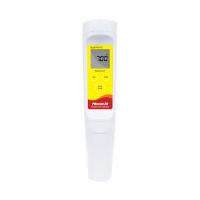
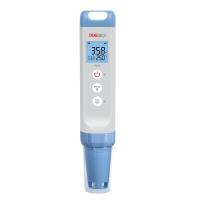
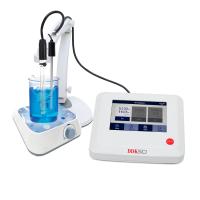
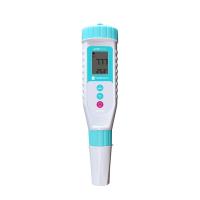
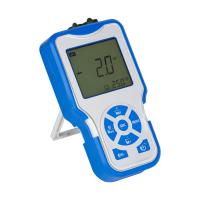
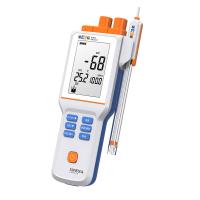
The pH meter measurement method, using a pH meter or acid-base titrator to directly measure the pH value of an amino acid solution, is an accurate and reliable method.
The pH value of amino acids is crucial to various biochemical reactions and metabolic processes in organisms, affecting the structural stability of proteins, regulation of enzyme activity, and maintenance of intracellular homeostasis. Understanding the significance, influencing factors, and measurement and adjustment methods of amino acid pH is of great significance for in-depth understanding of biochemical processes in organisms and carrying out related research. It is hoped that through the introduction of this article, readers can have a more in-depth understanding and application of the relevant knowledge of amino acid pH value, and promote the development and application in the field of life sciences.