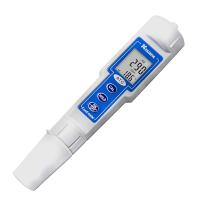
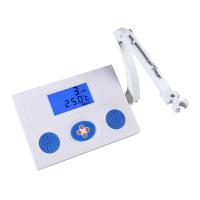
In the fields of chemistry, biology, medicine and other fields, gel conductivity is an important physical and chemical parameter, which can reflect the content and mobility of ions in the gel solution, thereby affecting the properties and applications of the gel. Gel conductivity meter, as an instrument specially used to measure gel conductivity, plays an important role in scientific research and industrial production. This article will deeply explore the principles and characteristics of gel conductivity meters.
working principle
Gel conductivity meter is an instrument that detects the content and movement ability of ions in gel through the principle of conductivity measurement. Dissolve the gel sample to be tested in an appropriate solvent to form a gel solution. The gel solution is placed between the electrodes of the conductivity meter, and the conductivity is calculated by passing current and measuring voltage. The measured conductivity data will be transmitted to the computer through the instrument's display screen or data interface for data processing and analysis. The final conductivity value of the gel solution is obtained, which can be used to evaluate the ionic content and mobility of the gel.
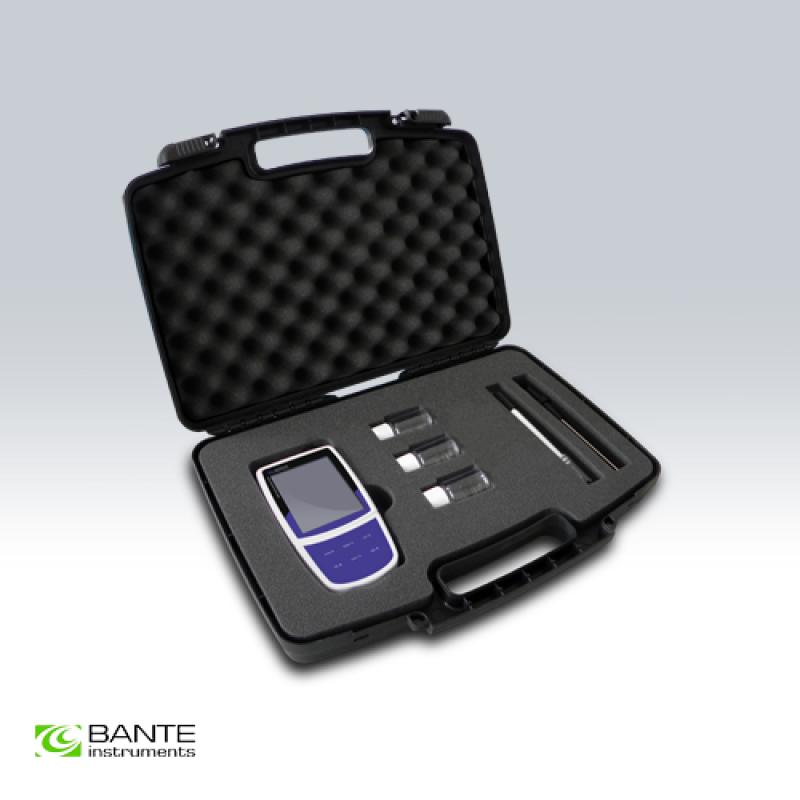
Features
Gel conductivity meters have many advantages over traditional methods. Fast and efficient, the test speed is fast, and the conductivity measurement can be completed in a short time. Accurate and reliable, the measurement results are accurate and reliable, with high precision and stability. The measurement process does not damage the sample and can be used repeatedly, saving costs. The instrument is simple and convenient to operate, and most operations can be automated, reducing human errors.
Gel conductivity meters are widely used in various fields. For example, in biological research, they can be used to measure the conductivity in biological gels (such as DNA gels, polyacrylamide gels) and study the structure of biological macromolecules. and nature. Used to detect gel conductivity in body fluids to assist in diagnosing diseases and evaluating treatment effects. Used to measure changes in gel conductivity during chemical reactions and evaluate the progress and rate of the reaction. Used to study and evaluate the ion transport properties of gel materials and guide material design and preparation.
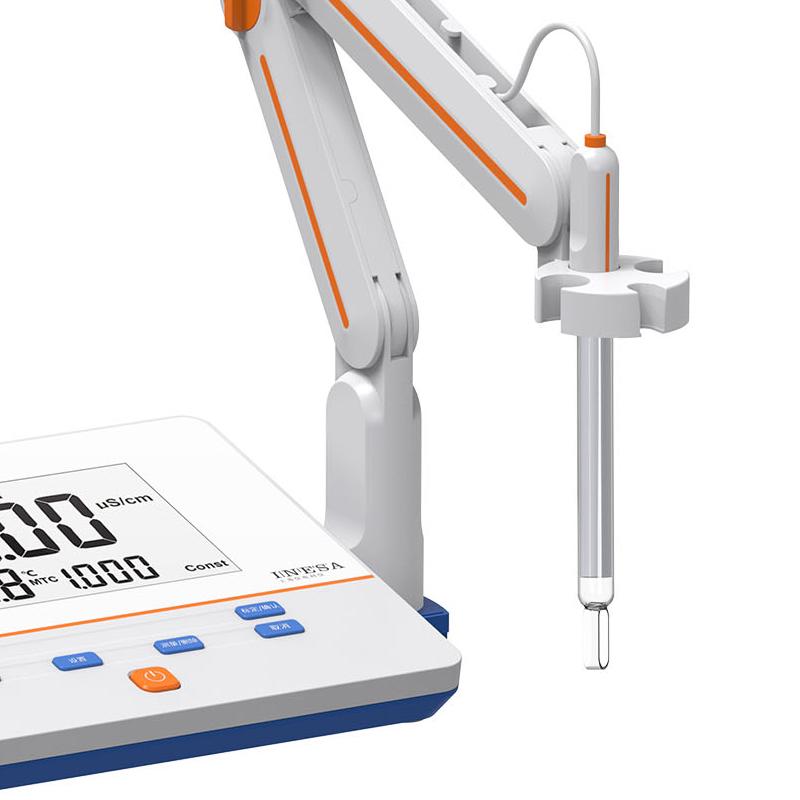
Conclusion
As an important analytical instrument, gel conductivity meter has broad application prospects in the fields of chemistry, biology, medicine and other fields. It provides reliable technical support for scientific research and industrial production by quickly and accurately measuring conductivity in gels. With the continuous development of science and technology and the increasing market demand, the gel conductivity meter will continue to be optimized and improved, making greater contributions to the progress and development of human society.